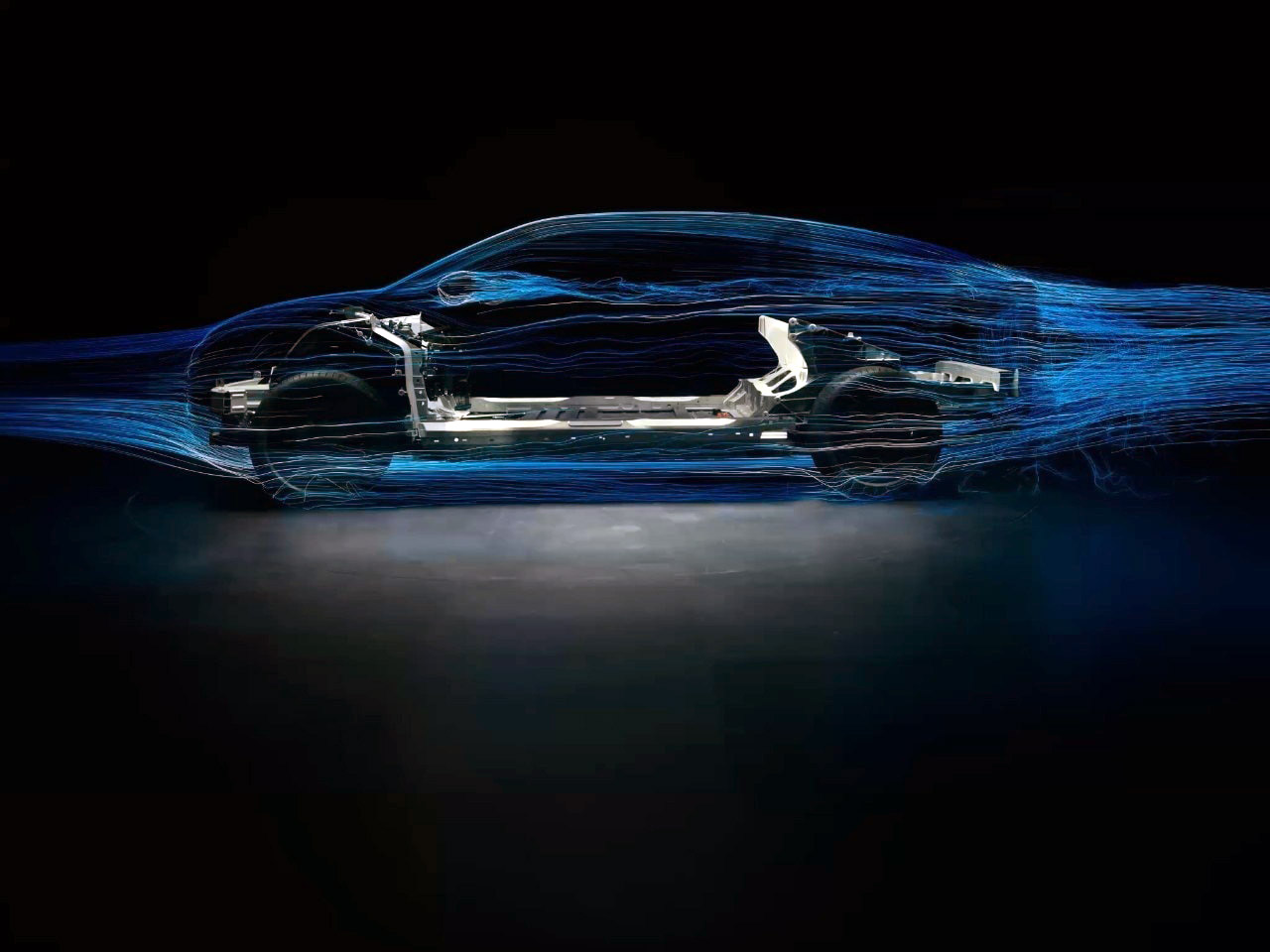
Ford is betting its next big EV move on something it’s never had before: a dedicated, universal electric vehicle platform designed from the ground up to make truly affordable electric vehicles possible. With CEO Jim Farley warning that Chinese automakers and a cooling EV market represent an “existential threat,” the company’s new Universal EV Platform (UEV) is Ford’s clearest signal yet that the era of expensive, hard-to-build electric trucks and SUVs has to change.
The headline is hard to ignore. Ford plans to launch an electric pickup truck priced around $30,000 when it arrives in 2027—roughly half the cost of a Ford F-150 Lightning today. That pricing also lands right in the territory long associated with the rumored “affordable Tesla Model 2” that never actually appeared. To hit that number, Ford isn’t simply shrinking an existing vehicle or stripping out features. Instead, it’s redesigning the fundamentals: how the truck is shaped, how it’s assembled, how its electrical system is laid out, and even how its battery becomes part of the vehicle’s structure.
This upcoming model will be a midsize pickup, and it will likely use a smaller battery than full-size electric trucks. But the most compelling part is how aggressively Ford is chasing efficiency and manufacturing simplicity. The company says the aerodynamic efficiency of this truck will outperform any other pickup currently sold in the United States, helping stretch range and reduce the battery size needed to deliver real-world usability—an essential lever for keeping EV prices down.
Manufacturing is another major cost battleground, and Ford’s approach borrows from the most modern playbooks in the EV industry. The truck’s structure is made from two large aluminum halves rather than being assembled from more than a hundred separate parts, a dramatic simplification compared with the construction of Ford’s other midsize pickups. Fewer pieces typically means fewer factory steps, fewer potential quality issues, and a faster path from raw materials to finished vehicle.
Under the skin, Ford is also making a significant shift with a 48-volt low-voltage electrical architecture. This change reduces the number of electrical components and shortens the amount of wiring needed throughout the vehicle—one of those behind-the-scenes engineering decisions that can save real money at scale. According to Ford, the result is a truck that needs fewer parts overall and can be built in about half the time, with roughly 600 fewer workers required than before at its Louisville, Kentucky facility.
Battery costs remain the biggest factor in affordable EVs, and Ford is leaning into LFP chemistry (lithium iron phosphate) for this new platform. LFP batteries are generally cheaper and known for durability, and Ford is taking it a step further with a structural battery pack design that uses the cells as part of the chassis. That integration can reduce redundant materials and further cut cost and weight—two advantages that help EVs become both cheaper to build and more efficient to drive.
If pricing holds near $30,000, Ford’s midsize electric pickup could undercut even the most basic versions of popular electric sedans on the market when it launches. It also marks a potential reset for Ford’s EV strategy after a costly early phase that included a multibillion-dollar write-off tied to its initial electric push.
Ford isn’t alone in recalibrating. The broader auto industry has been rocked by the reality that demand hasn’t grown as quickly as many forecasts predicted, while vehicle prices climbed and incentives such as federal tax credits have faced uncertainty or expiration. Industry-wide EV losses have been massive, and even the biggest names have had to respond with pricing tactics, financing promotions, and product strategy changes to reignite sales momentum.
Farley’s message is blunt: Ford doesn’t need to beat low-cost rivals dollar-for-dollar, but it does need to get close—and then win with innovation. That innovation, Ford argues, won’t come from delivering “stripped-down” vehicles that feel bargain-basement. The UEV team says customers still want appealing features and a satisfying ownership experience, even in a lower-priced electric vehicle. In other words, Ford wants this $30,000 electric pickup to feel like a smart buy, not a compromise.
The UEV platform also isn’t a one-truck plan. Ford intends to expand it into other vehicles, including a ride-share-focused model positioned for the coming wave of mobility services. On top of that, Ford aims to bring autonomous driving capability to the platform starting in 2028, focusing again on delivering it at a lower cost than comparable systems.
For shoppers, the promise is simple: a genuinely affordable electric pickup truck that doesn’t ask buyers to sacrifice everything to get the price down. For Ford, it’s a high-stakes effort to prove it can build EVs faster, with fewer parts, lower labor demands, and smarter engineering—before competition from abroad and slowing demand reshape the market on their terms.