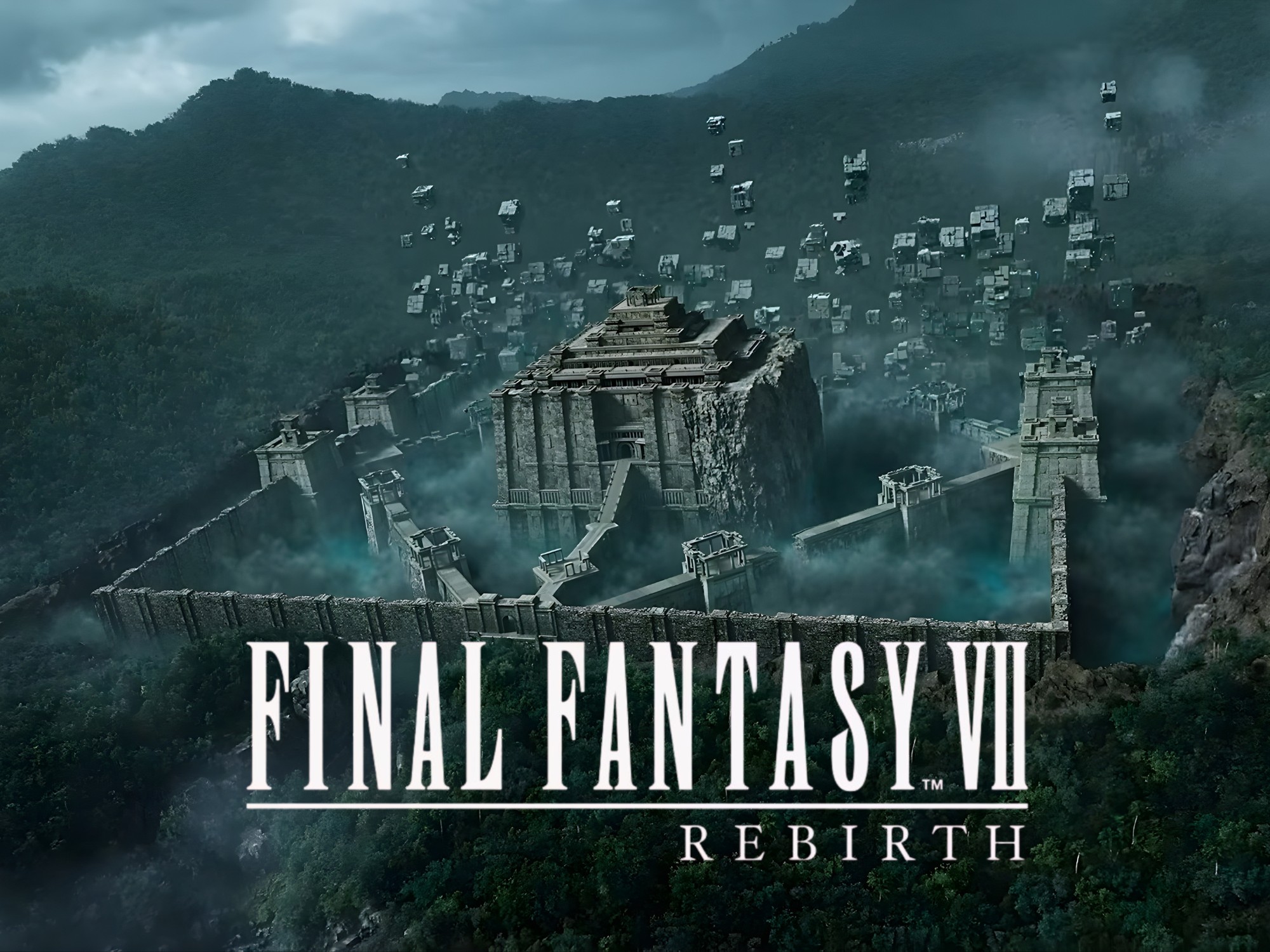
Final Fantasy 7 Remake Intergrade has only just arrived on Nintendo’s Switch 2 and Xbox consoles, but attention is already shifting to what comes next. A well-known industry insider, NateTheHate2, has shared a fresh update suggesting Final Fantasy 7 Rebirth could land on these platforms in 2026. While nothing is official yet from Square Enix, the claim lines up with the publisher’s recent push to get major releases out across as many systems as possible, faster than before.
The same insider had previously hinted at a similar window for a Switch 2 version, offering a more optimistic outlook for Nintendo players waiting to continue the story. For now, though, Square Enix has not confirmed a Rebirth release date for Nintendo or Xbox, leaving fans watching closely for any announcement.
Why the wait may come down to hardware limits
Porting a visually ambitious RPG like Final Fantasy 7 Rebirth isn’t just about moving the game to another storefront. It can require heavy technical work, especially on platforms with tighter constraints. Director Naoki Hamaguchi has addressed how memory limits can become a real obstacle, particularly on the Xbox Series S. With 10GB of unified RAM, developers often have to make careful tradeoffs and build custom optimizations to keep performance stable without sacrificing too much image quality or world detail.
How Final Fantasy 7 Rebirth might run on Xbox Series S
The encouraging news is that early results for Final Fantasy 7 Remake Intergrade on Xbox systems have been solid, and the Series S already offers flexible choices in many modern releases. In general, players can expect a performance-focused option aiming for 1080p at 60fps, alongside a higher-resolution alternative that targets around 1440p at 30fps.
Rebirth, however, is a more demanding game than its predecessor. While Remake’s structure is more contained, Rebirth expands into larger, more open environments that naturally put more pressure on CPU, GPU, and memory. That broader scope is exactly what makes the game exciting—and also what makes optimization on smaller hardware more complex.
Open-world demands and past performance concerns
When Rebirth launched on PS5, some players noted that the 60fps mode could look soft or blurry, while the 30fps option sometimes felt less fluid than expected during combat. Later updates improved the situation, and the PC version in 2025 also benefited from additional tuning. Still, these early complaints highlight a key point: if high-end hardware needed post-launch refinement, lower-power systems like the Xbox Series S and a handheld-focused Switch 2 will likely require extra time and specialist work before release.
Separate teams, platform-specific fixes, and a likely 2026 window
Hamaguchi has said that different development teams are being assigned to different platforms, which is a strong sign that Square Enix is taking these versions seriously rather than treating them as simple ports. This approach should help the team tackle issues unique to each system, from memory management on the Series S to performance scaling for the Switch 2.
Even with that strategy in place, Final Fantasy 7 Rebirth on Xbox and Switch 2 may still be waiting on the kind of technical polish required to deliver a smooth experience. If the insider information proves accurate, a 2026 launch window could give the developers the time they need to overcome those limitations—while keeping momentum going for fans eager to continue the Final Fantasy 7 remake trilogy on their platform of choice.


