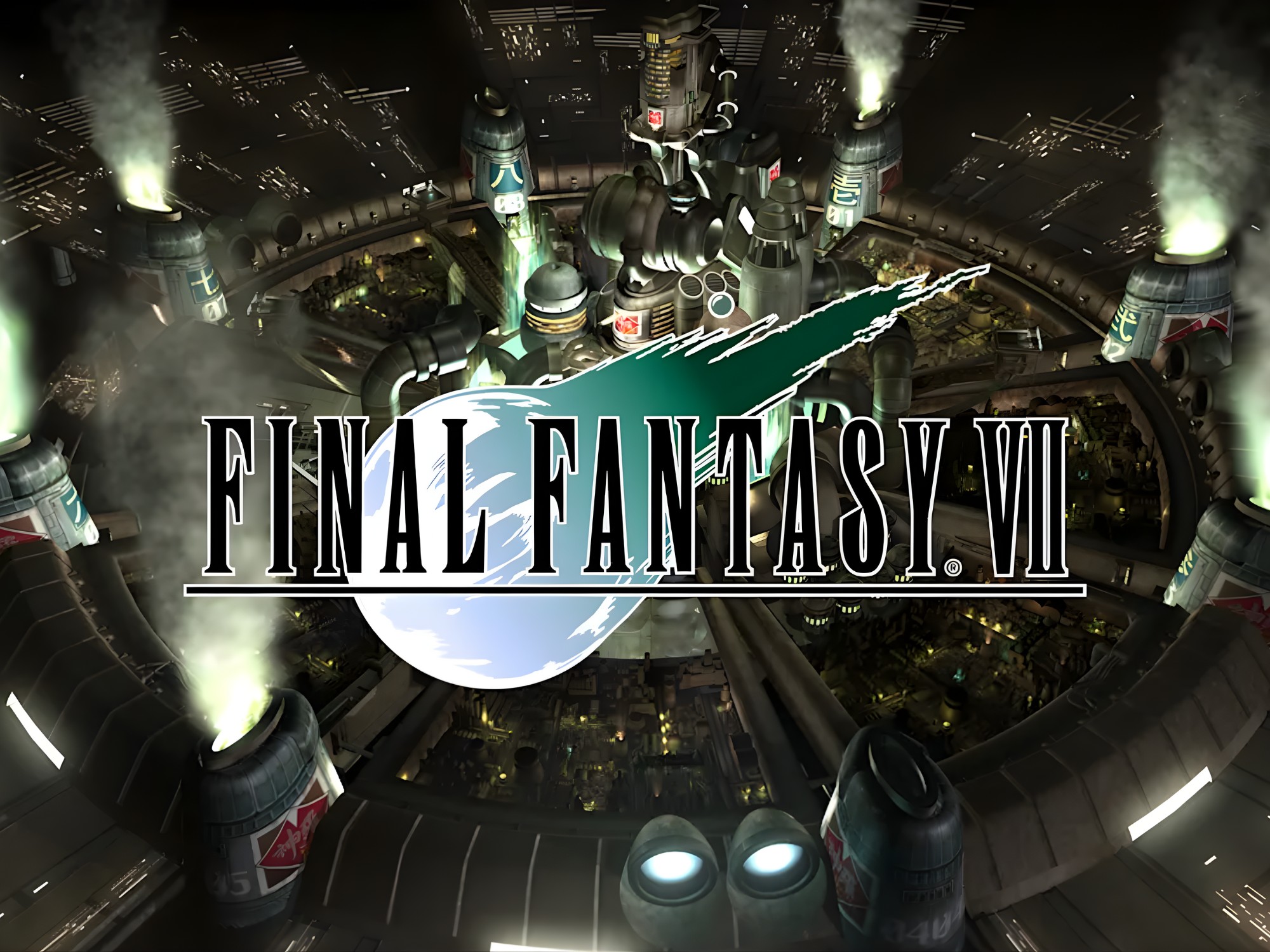
Final Fantasy VII Remake highlights a hidden truth about modern revivals: many classic games from the 1990s weren’t preserved with the future in mind. In a recent interview, director Naoki Hamaguchi explained that almost no official documentation from the mid-90s remains for key Final Fantasy projects. That scarcity forced the team to build the Remake trilogy by leaning heavily on veteran developers’ memories and collective experience rather than a well-organized archive.
Hamaguchi had invaluable guidance from longtime series leaders such as original director-turned-producer Yoshinori Kitase, along with artists and writers like Tetsuya Nomura and Kazushige Nojima. Even so, he made clear he’d prefer robust records over oral history, stressing that the goal was to faithfully reinterpret the classic rather than create something that feels like fan fiction. It’s a tightrope: reimagining a landmark RPG with modern technology while respecting the texture, tone, and intent of the 1997 original.
This challenge isn’t unique to Final Fantasy VII. Fans often see a steady stream of ports and remasters, but those releases are very different from full-scale remakes. Without original source code, high-resolution art, or production documents, teams can’t simply upscale or tweak—they have to rebuild. Older consoles rarely supported the image quality or cinematics modern audiences expect, and when the raw building blocks are missing, reconstruction becomes a painstaking process.
Another striking example comes from Final Fantasy Tactics: The Ivalice Chronicles. The development team has acknowledged that the game’s source code was overwritten during later language updates, complicating preservation and future enhancements. In some instances, community-maintained resources helped fill gaps—an ironic twist that underscores how unofficial archives have sometimes outlasted studio materials.
The practical hurdles of remaking a classic RPG are significant:
– Minimal surviving documentation from the 1990s, limiting reference points for story, systems, and art direction
– Missing or overwritten source code that prevents straightforward updates or enhancements
– Legacy asset constraints, since original consoles didn’t accommodate higher-resolution textures or video
– Heavy reliance on veteran developers’ memories to recapture tone, pacing, and design intent
– Heightened fan expectations for authenticity alongside demands for fresh content
That last point is especially visible in Final Fantasy VII Remake Intergrade and Rebirth, which introduce expanded storylines, new areas, and additional systems. The scope and surprises have stirred debate among longtime fans, with some celebrating the bold additions and others preferring a stricter, scene-by-scene recreation. Hamaguchi’s aim remains clear: strike a balance between staying true to the essence of Final Fantasy VII and delivering new gameplay experiences that justify a modern remake.
For the industry at large, the lesson is hard to ignore. Game preservation and archival practices matter—not just to historians and fans, but to studios that hope to revisit beloved worlds decades later. Proper documentation, secure storage of source code, and careful asset management can be the difference between a faithful, efficient remake and a years-long reconstruction that relies on detective work and memory.
As audiences continue to embrace remasters and remakes of classic games, the behind-the-scenes reality becomes more important. Re-creating a defining RPG isn’t simply a technical upgrade; it’s an act of cultural preservation. And when the original blueprints are missing, even the most passionate teams must work twice as hard to ensure that the magic of the past can live—and evolve—on today’s hardware.


