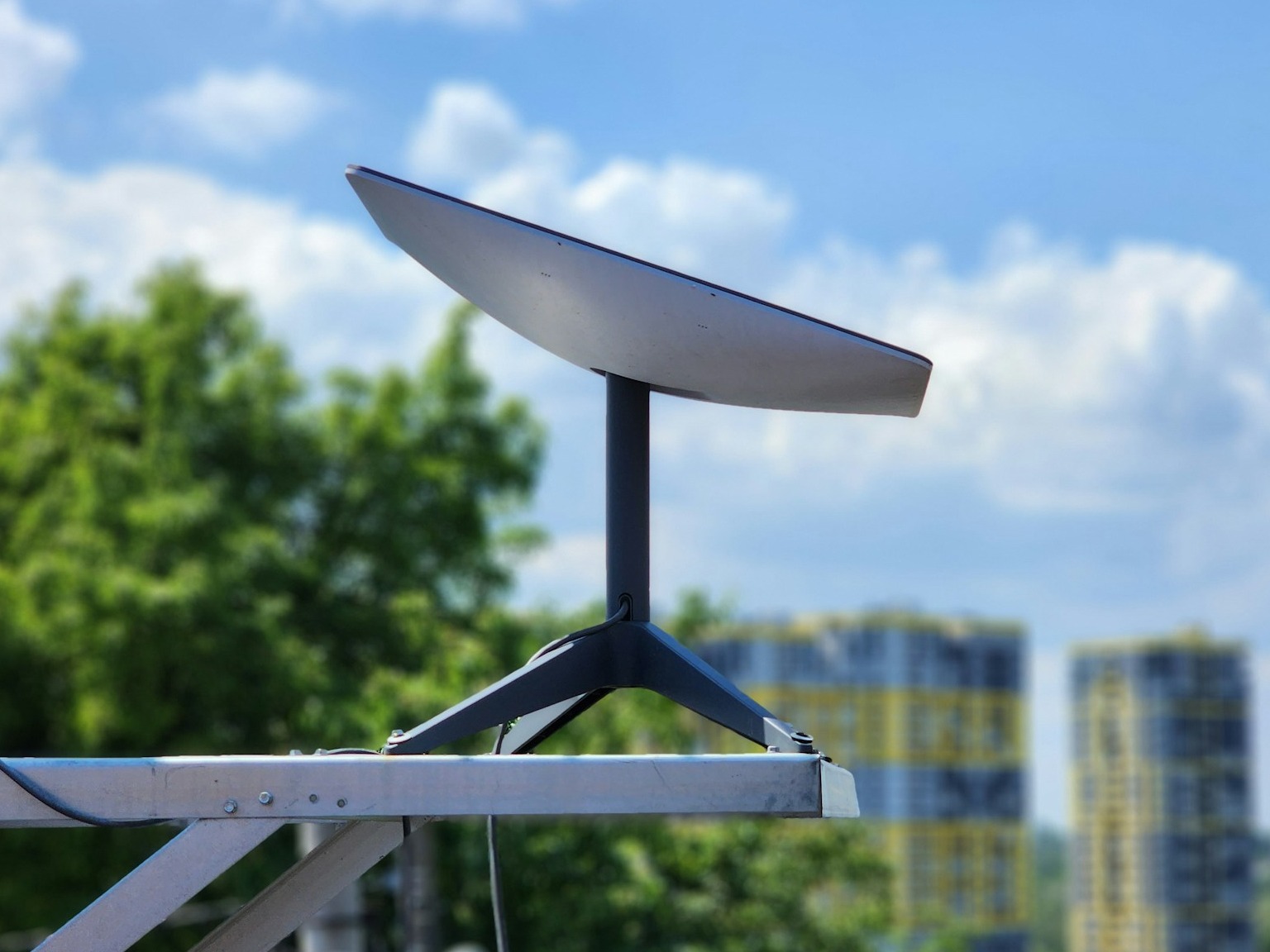
Virginia is making waves by channeling $613 million from the federal Broadband Equity, Access, and Deployment program into enhancing internet connectivity. A significant portion of this funding, about $171 million, is designated for fiber connections by All Points Broadband, reaching nearly 20,000 locations. In contrast, satellite projects, including offerings from SpaceX’s Starlink and Amazon’s Project Kuiper, are receiving a modest $7.7 million.
This initiative follows revamped BEAD rules that champion “technology neutrality,” enabling satellite providers to compete equally with fiber operators. The shift stems from an understanding that satellite technology offers cost-effective and swift solutions for rural and underserved areas. Consequently, Starlink has procured just under $3.3 million to connect 5,579 locations, while Project Kuiper has secured $4.4 million for approximately 7,000 sites.
Nevertheless, fiber remains the cornerstone of Virginia’s strategy, capturing a whopping 81% of the funding. With over $171 million allocated to fiber projects, Virginia aims to deliver speeds of up to 10 gigabits per second in certain regions. The primary driver behind this preference is performance, ensuring speed, latency, and future scalability.
Drew Garner from the Benton Institute emphasized that the bidding process considered environmental factors, highlighting challenges like tree coverage that can impact satellite service reliability. SpaceX, however, has been actively promoting its beam-switching technology to counter such issues.
While the inclusion of satellite providers marks a milestone, skeptics question their long-term viability in public projects. Satellite networks, although useful, have capacity limits and may experience performance degradation due to congestion. For instance, in the Pacific Northwest, Starlink introduced a $1,000 surcharge to manage demand.
Under the revised BEAD guidelines, Starlink must maintain download speeds of at least 100 Mbps and upload speeds of 20 Mbps. Eligible users in Virginia will receive a free Starlink dish over a 10-year period. Yet, there are concerns about affordability, as the standard service costs $120 monthly. Garner pointed out that the real hurdle for communities is the ongoing service cost, not just infrastructure.
Evan Feinman, former BEAD director, praised Virginia’s adherence to new rules but criticized the forced inclusion of satellite options, suggesting that it burdens users with higher bills and slower speeds. Meanwhile, some experts argue that Virginia’s approach demonstrates cost-saving success, reducing taxpayer expenses by 25%.
Governor Glenn Youngkin celebrated the cost reduction facilitated by the new regulations. The final proposals from states are due by September 4, with SpaceX and Amazon aggressively pursuing opportunities elsewhere, particularly in Texas. As the landscape evolves, other states are likely to watch Virginia’s innovative approach closely.