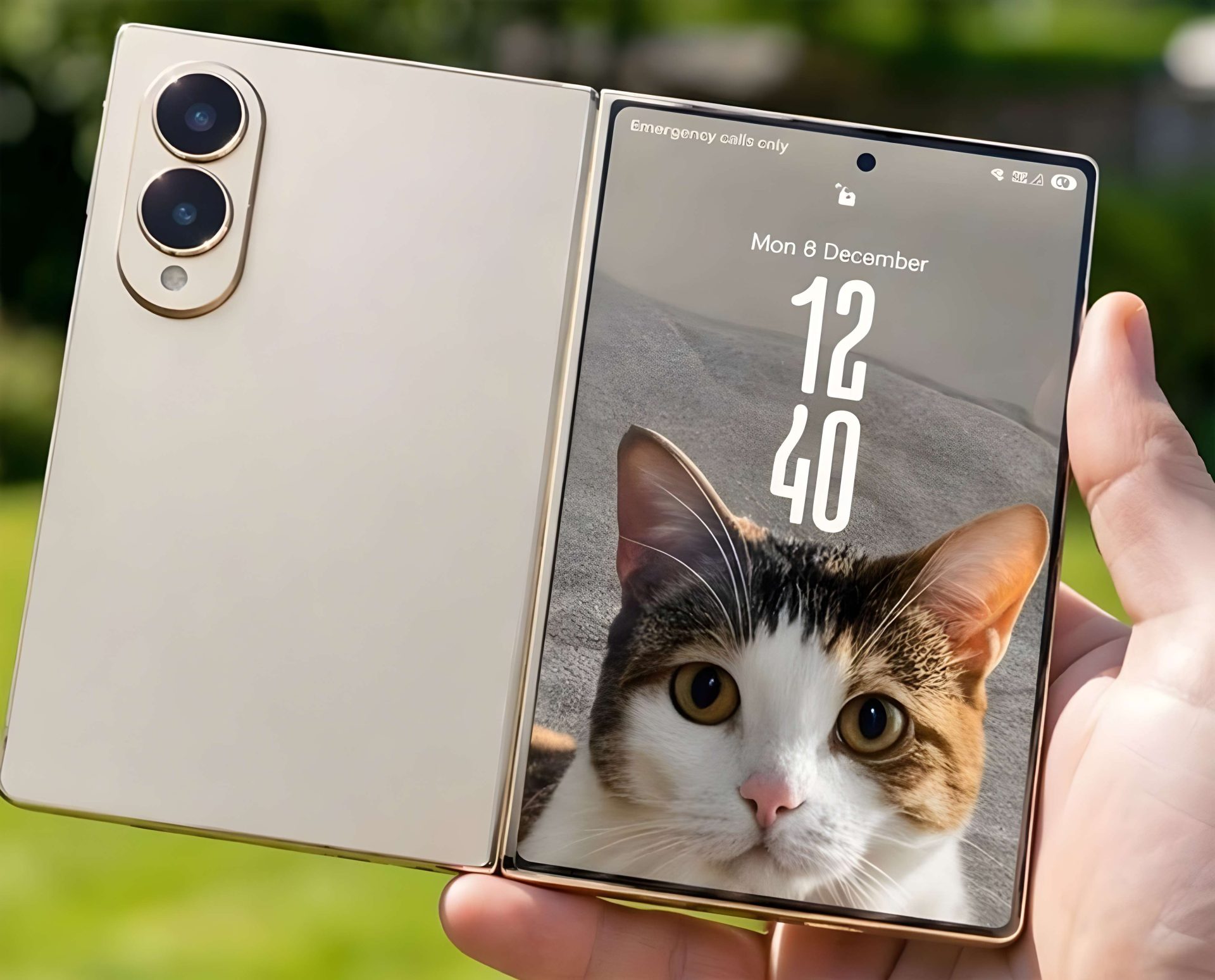
Samsung Galaxy Z Fold 8 FCC filing points to Qualcomm modem, satellite support and major connectivity upgrades
Samsung’s next premium foldable is starting to take shape, and a new FCC filing appears to reveal several key features planned for the Galaxy Z Fold 8. While Samsung has not officially announced every detail yet, the filing suggests the upcoming foldable could arrive with a strong focus on connectivity, charging flexibility and improved external display support.
One of the biggest takeaways is the presence of a Qualcomm modem. Samsung often pairs its own Exynos chips with in-house modems, so the use of Qualcomm hardware strongly suggests that the Galaxy Z Fold 8 may be powered by a Snapdragon processor. That would make sense for a high-end foldable expected to compete at the very top of the smartphone market.
The FCC listing also points to support for Ultra-Wideband, commonly known as UWB. This technology allows for more accurate location tracking and short-range device communication, making it useful for smart tags, digital car keys, nearby device discovery and other precision-based features. For users invested in Samsung’s ecosystem, UWB could make the Galaxy Z Fold 8 even more useful in daily life.
Wi-Fi 7 is also listed, giving the device access to faster wireless speeds, lower latency and better performance on supported networks. NFC support is included as well, which means mobile payments, quick pairing and tap-based features should remain part of the package.
Another notable addition is satellite connectivity. This feature has become increasingly important in flagship smartphones, especially for emergency communication in areas without cellular coverage. If Samsung enables this capability broadly, the Galaxy Z Fold 8 could become a more reliable device for travelers, hikers and anyone who spends time outside regular network zones.
The filing also mentions wireless charging and reverse wireless charging. Reverse wireless charging allows the phone to share battery power with compatible accessories, such as earbuds or a smartwatch, simply by placing them on the back of the device. It is a practical feature for users who carry multiple Samsung Galaxy devices and want a backup charging option on the go.
DisplayPort compatibility is another major highlight. With DisplayPort support, the Galaxy Z Fold 8 should be able to send high-quality video and audio to an external monitor or TV. This could make the device more appealing for productivity-focused users, especially when paired with Samsung’s desktop-style interface and external accessories.
Samsung is also expected to adjust its foldable lineup with the next generation. The direct successor to the Galaxy Z Fold 7 may reportedly be renamed Galaxy Z Fold 8 Ultra, while the standard Galaxy Z Fold 8 name could be used for a wider and shorter model. That version is expected to target buyers looking for a foldable with a more comfortable outer display and a broader form factor.
Display improvements are also rumored to be a major focus. Samsung has reportedly worked to reduce the visibility of the foldable screen crease on the Galaxy Z Fold 8 series. Earlier reports suggested the company may use Ultra-Thin Glass on both the top and bottom layers of the display to help minimize the crease by at least 20 percent.
There is also talk of a thicker Ultra-Thin Glass layer compared with the Galaxy Z Fold 7. The new panel is said to use 60μm glass, up from 45μm on the previous model. A thicker layer could improve durability, although it may also affect how visible the crease appears depending on the final design.
Despite the added durability improvements, the Galaxy Z Fold 8 is rumored to be exceptionally thin and light. The device is expected to measure just 4.5mm when unfolded and weigh around 201 grams. If accurate, that would make it one of the lightest large foldable smartphones released so far.
Battery and charging specifications are also shaping up to be competitive. The Galaxy Z Fold 8 is expected to feature a 4,800mAh battery with 45W wired charging support. That would give the device a solid balance between slim design and practical battery capacity.
On the camera side, Samsung is reportedly preparing a new 50MP sensor for the Galaxy Z Fold 8. The phone is also expected to support a native 24MP shooting mode without requiring users to enable it through Samsung’s Camera Assistant app. That could make higher-quality everyday photography more accessible straight from the default camera experience.
With a Qualcomm modem, possible Snapdragon power, satellite connectivity, UWB, Wi-Fi 7, DisplayPort support and a thinner foldable design, the Samsung Galaxy Z Fold 8 is shaping up to be one of the most important foldable phone launches of the year. If these details hold true, Samsung’s next foldable could deliver meaningful upgrades not only in design, but also in performance, connectivity and day-to-day usability.