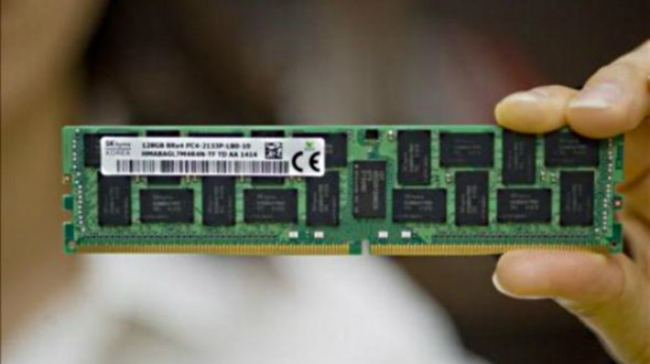
The world of DRAM memory is on the brink of a transformation as the industry’s biggest names are gearing up to phase out the production of DDR4 and DDR3 memories. The giants like Samsung, Micron, and SK Hynix are turning their attention towards more profitable ventures like HBM and DDR5, leaving a significant gap that other contenders are eager to fill.
Back in the day, Samsung had already halted DDR3 production due to plummeting demand, and now DDR4 is next on the chopping block. Although once reigning supreme in consumer devices, DDR4’s reign is coming to an end as the market shifts focus onto its successor, DDR5. With DDR5 gaining rapid popularity in consumer electronics, it seems DDR4’s time is ticking down, with production set to scale down significantly by the latter half of 2025.
The transition is driven by skyrocketing demand for HBM and DDR5 memories, which are in high demand across client and server markets. As a result, these memory titans are prioritizing the production of advanced DRAM chips, gradually reducing the footprint of DDR3 and DDR4 production lines. However, the need for DDR3 and DDR4 remains for many existing systems, leaving a window of opportunity for others.
Enter the ambitious players from China and Taiwan. Chinese companies such as CXMT are poised to step into the breach, ramping up their DDR4 production capabilities while also gearing up for the DDR5 era. Meanwhile, Taiwanese firms like Nanya Technology and Winbond are set to play a crucial role in bridging the supply gap, ensuring that the demand for DDR3 and DDR4 is met even as the larger manufacturers pivot.
This transition reflects a broader trend, where the lure of faster, more powerful memory systems like HBM, especially for AI and Cloud computing, is too promising to ignore. The shift underscores the evolving landscape of technology, where progress beckons and opportunities for innovation and competition abound. As the memory giants embark on this new chapter, the stage is set for a dynamic reshaping of the DRAM market.