NukeMark Arrives on Steam Early Access as a Brutal Unreal Engine 5 GPU Stress Test
EzBench has launched NukeMark in Steam Early Access, introducing a new commercial GPU benchmark designed to push modern graphics cards far beyond normal gaming workloads. Built in Unreal Engine 5.7, NukeMark is aimed at users who want to see just how far their hardware can be pushed under extreme ray-tracing conditions.
Unlike a typical game benchmark, NukeMark is not designed around smooth gameplay or realistic performance targets. Instead, it deliberately combines some of Unreal Engine’s most demanding rendering features at the same time. That includes Nanite virtualized geometry, the MegaLights lighting system, hardware-accelerated Lumen ray tracing, and 8K virtual textures.
The result is a stress test that is meant to be punishing, even for the fastest GPUs on the market.
According to figures shared by EzBench, NukeMark’s flagship scene can reduce Nvidia’s GeForce RTX 5090 to around 15 to 20 frames per second at native 4K resolution without upscaling. Those numbers come from the developer’s own materials, so independent testing will be important to confirm how the benchmark performs across different systems. EzBench says it plans to provide review builds, technical documentation, and reference results for current high-end graphics cards.
NukeMark follows the studio’s earlier Unreal Engine 5 benchmark, EzBench, which launched in 2022 as a free demo focused on heavy 8K textures and ray tracing. That release became known for being extremely demanding, especially on GPUs of its time. NukeMark is positioned as a spiritual successor, but with a stronger focus on ray tracing performance rather than simply overwhelming hardware through rasterization and texture load.
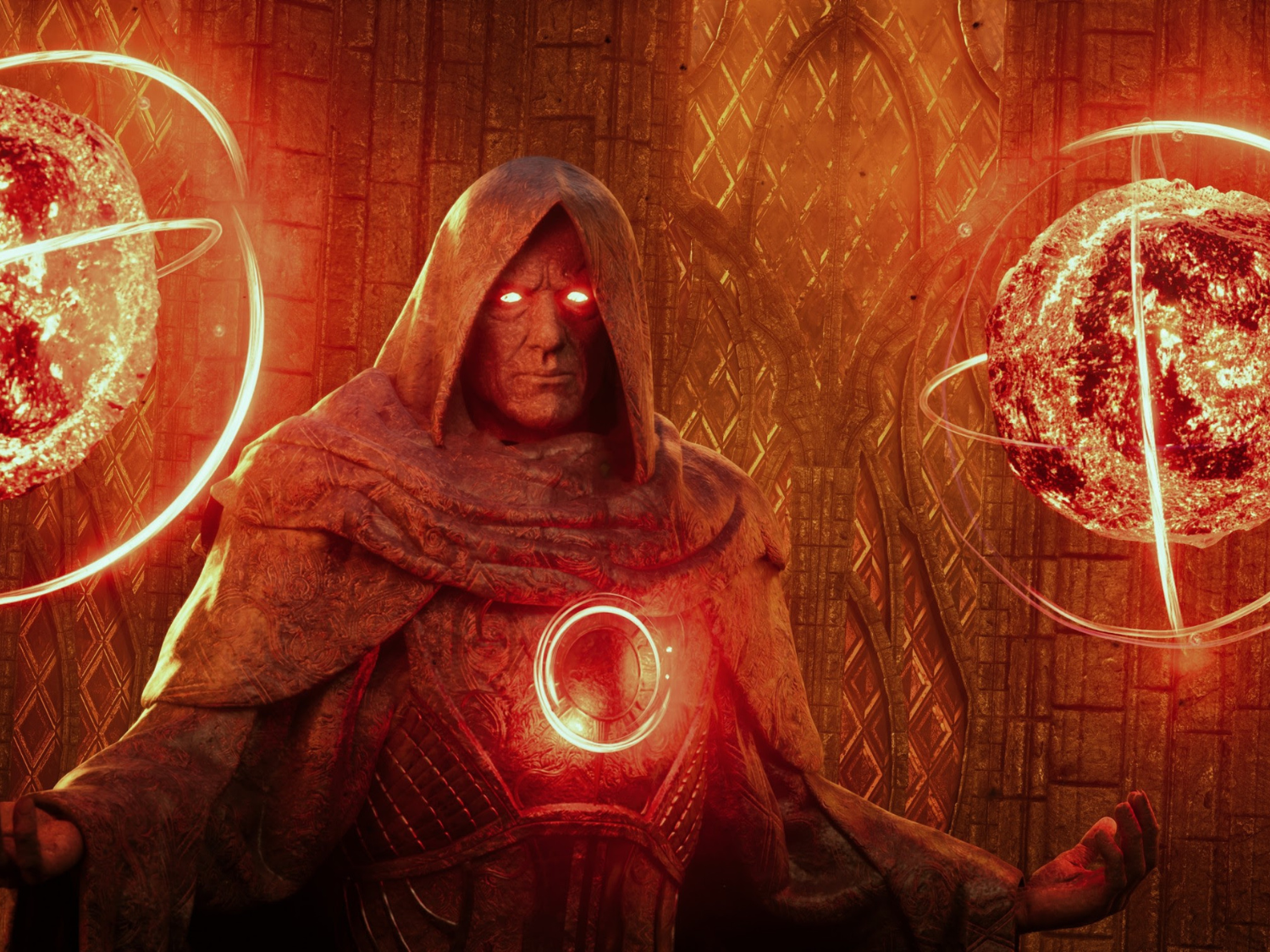
The benchmark includes two main test scenes. The first, Emberhold, is designed to stress lighting and shadow rendering. The second, Pandora, focuses heavily on VRAM usage and can reportedly consume more than 12GB to 15GB of video memory at 4K. That makes it especially relevant for users who want to test not only raw GPU performance, but also memory capacity and stability under intense workloads.
One notable feature is the way NukeMark handles leaderboard results. Native resolution runs and DLSS-upscaled runs are tracked separately, preventing upscaled scores from being directly compared with native rendering results. This should make performance rankings clearer and more useful for enthusiasts, reviewers, and hardware testers.
EzBench describes NukeMark as an “adversarial” benchmark, meaning it is intentionally built to expose a GPU’s limits rather than simulate a polished game release. In real games, developers usually optimize scenes to stay within a playable performance budget. NukeMark does the opposite, stacking demanding engine features together to create an extreme real-time rendering workload.
For PC gamers, overclockers, and hardware reviewers, NukeMark could become a useful tool for testing next-generation graphics cards, especially as ray tracing, high-resolution textures, and advanced lighting systems continue to become more common in modern games.
With native 4K performance reportedly challenging even the RTX 5090, NukeMark is shaping up to be one of the most intense Unreal Engine 5 GPU benchmarks available today.


