Samsung Exynos 2700 reportedly enters mass production as 2nm chip race heats up
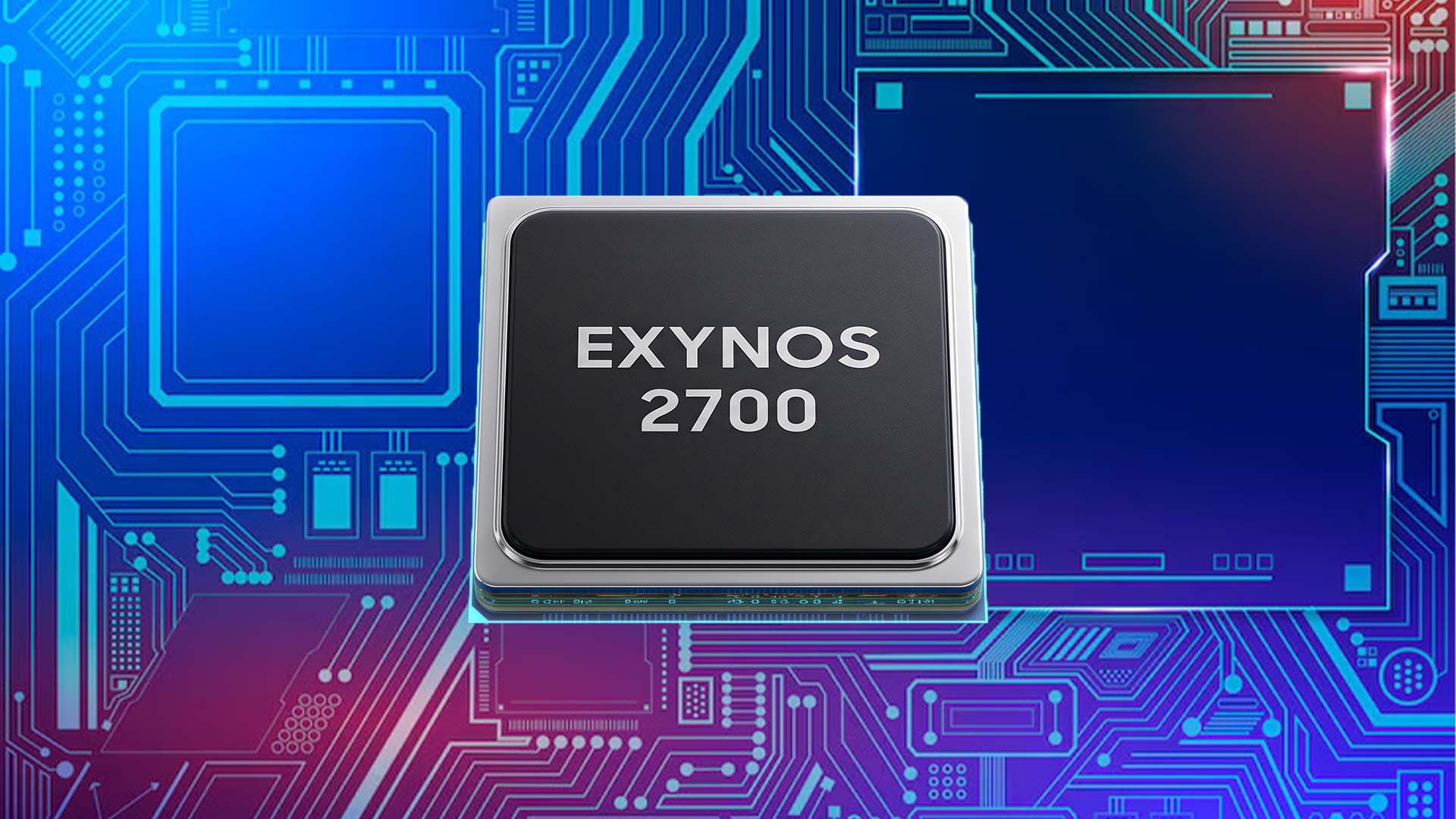
Samsung’s next major smartphone processor may be moving closer to launch. According to a fresh industry rumor, the Exynos 2700 has entered mass production, marking an important step for Samsung’s 2nm mobile chipset plans. If accurate, this development suggests the company is preparing its next-generation silicon well ahead of the expected Galaxy S27 series debut.
The Exynos 2700 is said to be built on Samsung’s newer SF2P process, an improved version of the 2nm technology used for the Exynos 2600. This upgraded node is expected to deliver better performance and power efficiency, two areas where Samsung has been working hard to close the gap with rival flagship chipmakers.
One of the more interesting claims is that Samsung has reportedly increased the initial production volume of the Exynos 2700 by around 10 percent compared to the Exynos 2600. That could point to growing confidence inside the company, especially if yields and performance targets are improving as planned.
Early internal testing is also said to show promising results. The Exynos 2700 reportedly performs around 9.5 percent faster than the Snapdragon 8 Elite Extreme Gen 6 in Geekbench 6 multi-core results. The rumored performance gain may be linked to a target clock speed of up to 4.00GHz, though this has not been officially confirmed.
However, benchmark numbers alone do not tell the full story. There are still no clear details about power consumption, heat output, sustained performance, or real-world battery life. Those factors will be critical, especially for a flagship smartphone chip expected to compete at the highest level. Until Samsung shares official data, these early figures should be treated as unofficial.
The bigger question is whether Samsung will use the Exynos 2700 in the Galaxy S27 Ultra. For now, nothing is confirmed. Samsung is reportedly still evaluating key factors such as performance, thermal behavior, production capacity, and overall cost before deciding how widely the chip will be used.
The company may continue relying on Qualcomm processors for Galaxy S27 models sold in markets such as the United States and China. At the same time, using more in-house Exynos chips could help Samsung reduce its dependence on external suppliers, especially as advanced 2nm chip production becomes more expensive.
Qualcomm’s upcoming Snapdragon 8 Elite Extreme Gen 6 and Snapdragon 8 Elite Gen 6 are expected to be manufactured using TSMC’s advanced 2nm-class technology. That makes them powerful but likely costly options for Samsung’s premium devices. If the Exynos 2700 can offer competitive performance and efficiency, it could become a more attractive choice for future Galaxy phones.
Samsung usually reveals its next-generation Exynos processors toward the end of the year, often before the launch of its upcoming Galaxy S lineup. If the latest production rumor is accurate, an official Exynos 2700 announcement could arrive in December or possibly even earlier.
For now, the Exynos 2700 looks like one of Samsung’s most important mobile chips in years. If it delivers strong performance, improved efficiency, and stable production yields, it could play a major role in shaping the Galaxy S27 series and Samsung’s broader 2nm chipset strategy.


