Qualcomm and Samsung’s chip division may be heading for a major showdown over the Galaxy S27 series, and the real winner could be Samsung’s next flagship phone lineup.
According to recent industry chatter, Qualcomm is preparing an unusually wide range of Snapdragon 8 Elite Gen 6 Pro variants for the Galaxy S27 family. The move appears designed to give Samsung more flexibility when choosing chips for different Galaxy S27 models and markets. These variants could reportedly include support for either LPDDR6 or LPDDR5X memory, along with possible differences in core binning, performance tuning, and clock speeds.
That level of choice could make Qualcomm’s next premium Snapdragon platform a very attractive option for Samsung’s 2027 flagship smartphones. However, Samsung’s own chip division is not expected to step aside quietly.
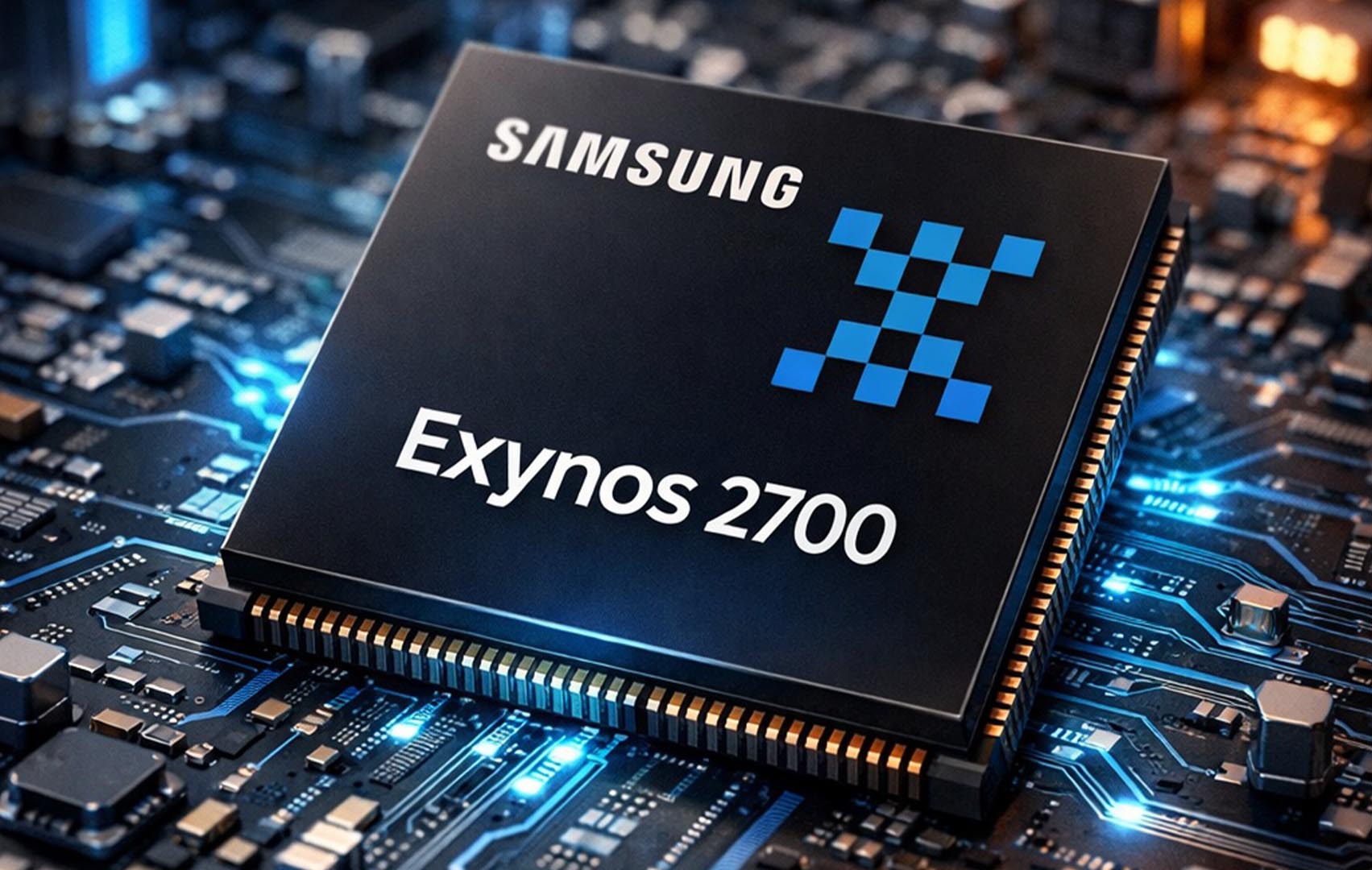
The Exynos 2700 is reportedly being positioned as Samsung’s direct answer to Qualcomm’s aggressive push. If the latest claims are accurate, Samsung may prepare multiple Exynos 2700 versions of its own, potentially mirroring Qualcomm’s strategy with different memory options and performance configurations. That could help Samsung offer more competitive chip choices across the Galaxy S27, Galaxy S27 Plus, and Galaxy S27 Ultra.
The Exynos 2700 is expected to be built on Samsung’s SF2P manufacturing process, a second-generation 2nm gate-all-around node. This would make it one of Samsung’s most advanced mobile chipsets yet and a key test for the company’s next step in semiconductor technology.
The chip is also rumored to use ARM’s C2-class CPU cores, paired with an Xclipse-class graphics processor based on AMD’s RDNA 4 architecture. If accurate, that could bring notable improvements in gaming performance, graphics efficiency, and overall mobile computing power.
Another important upgrade may come from thermal management. The Exynos 2700 is said to feature a new Side-by-Side packaging approach, where the application processor and DRAM dies are arranged horizontally rather than stacked in a more traditional layout. A copper-based heat dissipation component, reportedly called Heat Path Block, may sit above the structure to help control temperatures under heavy workloads.
This kind of design could be especially important for a flagship phone like the Galaxy S27 Ultra, where sustained performance, gaming stability, camera processing, and AI features all depend heavily on efficient heat control.
Still, Samsung may face one major obstacle: production yield. Reports suggest that the SF2P 2nm process is currently yielding around 60 percent. While that is a meaningful figure for an advanced node, it may not be enough to fully support a high-volume flagship launch without constraints. This gives Qualcomm a strong opening, especially if its Snapdragon 8 Elite Gen 6 Pro variants are ready in larger quantities and with more predictable supply.
For consumers, this competition could be good news. A stronger Exynos 2700 would put pressure on Qualcomm to deliver better performance and efficiency, while Qualcomm’s aggressive Snapdragon strategy could push Samsung to improve its own silicon faster. The Galaxy S27 series may benefit from this rivalry with better chip options, improved battery life, stronger gaming performance, and more advanced AI capabilities.
The big question now is how Samsung will divide chip allocation across the Galaxy S27 lineup. In past generations, Samsung has used different processors depending on region and model. With both Snapdragon 8 Elite Gen 6 Pro and Exynos 2700 reportedly being prepared in several versions, the Galaxy S27 series could follow a more complex chip strategy than ever before.
Nothing is confirmed yet, and details may change before launch. But if these reports prove accurate, the Galaxy S27 series is shaping up to be one of the most important battlegrounds in the premium smartphone chip market. Qualcomm wants to secure a larger role, Samsung wants to prove its Exynos platform can compete at the highest level, and buyers may ultimately get more powerful Galaxy flagships as a result.