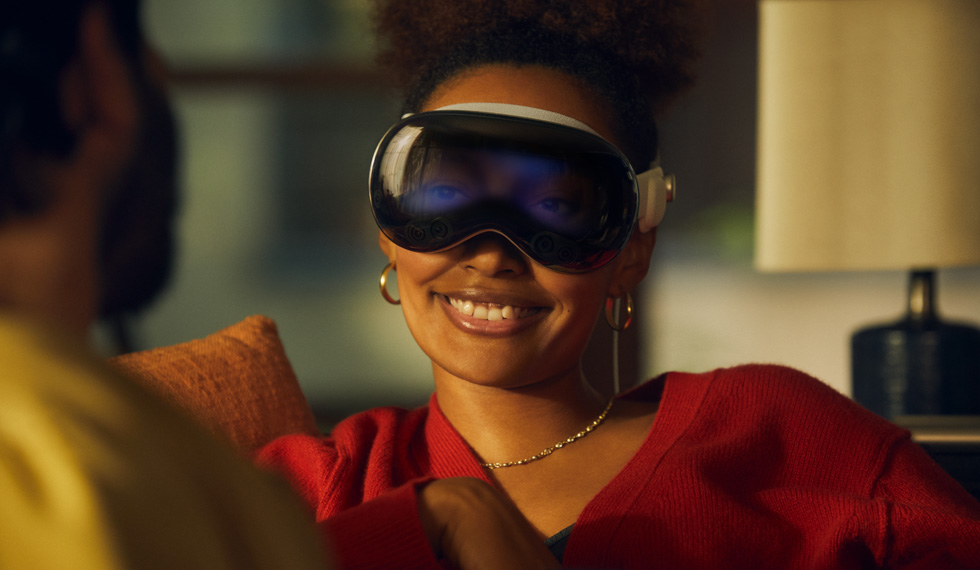
The technology world recently received deep insights from Hugo Barra, the former Head of Oculus at Meta, on Apple’s latest venture into spatial computing with the release of the Apple Vision Pro. Barra, with his extensive background in virtual and augmented reality, shared his thoughts on this new product’s potential and its role in the development space.
Barra, who also contributed to Android product management at Google, took a balanced approach when assessing the Apple Vision Pro. He described the device as a “meticulously over-engineered devkit,” underscoring that its significant weight could impede long-term wearability, limiting use to short bouts of roughly 30 to 45 minutes. He points out that with such a design, the primary target audience appears to be developers who can experiment and innovate for future renditions that might have a better fit in the consumer market.
A key highlight of Barra’s evaluation is the Vision Pro’s ability to foster a sense of presence. This presence is amplified by high-fidelity passthrough that allows users to remain connected to their physical environment while engaging with virtual content. He also praises Apple’s “gaze & pinch” method, predicting it could be as revolutionary for AR/VR interaction as the iPhone’s multi-touch gestures were for mobile interaction.
Despite acknowledging these innovative leaps, Barra mentions that he returned his Vision Pro, citing a long road ahead for the product to find a strong foothold in the market. To achieve this, improvements like reducing weight, smoothing out productivity workflows, and enhancing immersive gaming are essential. Moreover, he pointed out that passthrough mode requires refinements to avoid common issues.
From the perspective of industry rivalry, Barra sees Apple’s entry into the spatial computing market as beneficial, likely to propel companies like Meta to seize their “Android moment,” enhancing competitiveness and creativity in the AR/VR landscape.
Hugo Barra’s comprehensive take adds valuable context to the conversation about the Apple Vision Pro and its place in the tech ecosystem. His professional background provides a lens through which we can understand the current state and future potential of immersive technologies as they continue to evolve and intersect with consumer needs and developer innovations.
For those eager to delve deeper into the intricacies of Apple’s AR/VR initiatives and what they could herald for the future of interactive technology, revisiting the insights provided by industry experts like Hugo Barra could be invaluable. With ongoing advancements and the promise of next-generation devices, it’s clear that spatial computing is on the brink of transforming our digital experiences in profound ways.