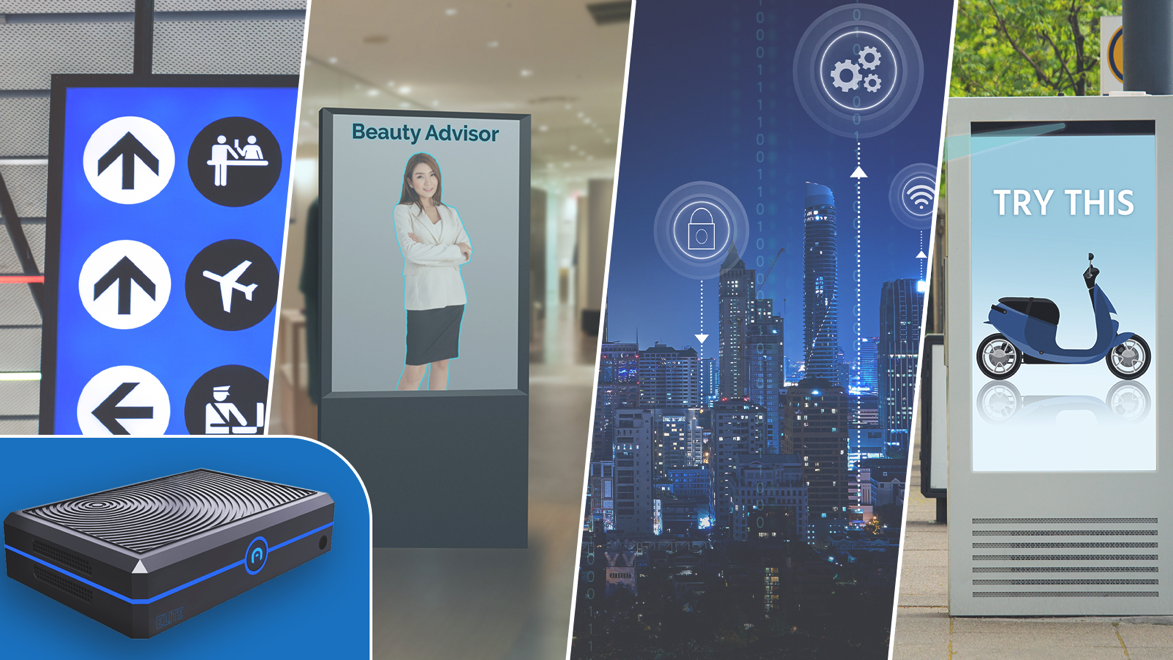
Customization is at the heart of modern technology, and mini PCs are no exception. These compact computing solutions are increasingly becoming a go-to for businesses looking to tailor their hardware to exact specifications. Customizable mini PCs offer the opportunity to enhance processing power, increase memory storage, and boost graphic capabilities to match unique organizational needs.
**The Power of Modular Components**
Modular components are a game changer in the world of mini PCs. By expanding the range of customizability beyond standard options like RAM and storage, businesses can address the specific challenges of their operations. For instance, certain businesses may require systems that can withstand high temperatures, while others might need uninterrupted cellular connectivity or sophisticated audio output for specialized applications.
Recognizing these varied demands, innovative technology companies have crafted several modular add-ons that can be interconnected with mini PCs to serve distinct purposes. These include:
– Active Cooling modules for environments with temperatures reaching up to 130º,
– 4G LTE modules to provide consistent cellular network connectivity,
– Power over Ethernet (PoE) modules to enable electrical power along with data on Ethernet cabling,
– Radio Frequency modules utilizing radar technology for advanced object detection,
– Audio Modules engineered to accurately manage audio amplifier output power.
**Scalability and Cost-efficiency**
When it comes to adopting new technology, scalability is paramount. As a business grows or its needs evolve, it’s essential to have a system that can keep pace. This is where modular mini PCs shine; they can be easily upgraded or expanded without the need for a complete overhaul of the system. This not only keeps the tech current but is also a more cost-effective approach to managing IT hardware. Incremental upgrades can significantly reduce long-term expenses when compared to the cost of purchasing new devices entirely.
**Endless Versatility**
One of the most compelling traits of modular mini PCs is their wide-ranging versatility. These systems can be configured to function optimally in a plethora of environments and for a multitude of purposes. For example, high-level gyms are starting to leverage the power of mini PCs to control music, lighting, and heart rate monitoring software for an all-encompassing workout experience. Similarly, they’re making an impact in e-commerce, particularly within fulfillment centers where they are essential to running packing station software.
But the applications don’t stop there. Across the hospitality industry, digital menu boards are increasingly being powered by these robust machines. Hospitals are integrating them into their computing infrastructure, recognizing the compact form-factor and powerful performance mini PCs offer.
**Tailored Solutions for Every Industry Need**
There are numerous mini PC product lines dedicated to providing customizable and upgradeable options, ensuring that there’s a fit for every business regardless of the industry or requirement. If the existing products don’t meet the precise needs of a business, some companies offer the ability to collaborate on the design and mass-produce a customized mini PC solution through partnerships with overseas manufacturing facilities.
**Embracing Mini PCs in Your Industry**
To integrate mini PCs into your business, consider the following practical steps:
1. **Assess Your Needs:** Determine the specific requirements of your business that a mini PC could address. Consider factors such as processing power, storage, connectivity, and environmental conditions.
2. **Explore Modular Options:** Look for mini PCs that offer modular components tailored to your needs. Whether it’s enhanced cooling, cellular connectivity, or specialized audio, choosing the right additions can greatly enhance the utility of your device.
3. **Plan for Scalability:** Choose a mini PC that can grow with your business. Ensure that the system you invest in can accept upgrades or additional modules as required in the future.
4. **Calculate Cost Savings:** Evaluate the long-term savings of upgrading a modular system versus replacing technology entirely. Factor in the potential reduction in downtime and productivity losses when making your decision.
5. **Seek Versatile Solutions:** Select a mini PC that offers flexibility and can be configured for different applications and environments within your industry.
By understanding and leveraging the capabilities of customizable mini PCs, businesses can ensure that they have the computing power they need not just for today, but for the future as well. This adaptability and foresight can lead to increased efficiency, reduced costs, and a competitive edge in an ever-changing technological landscape.