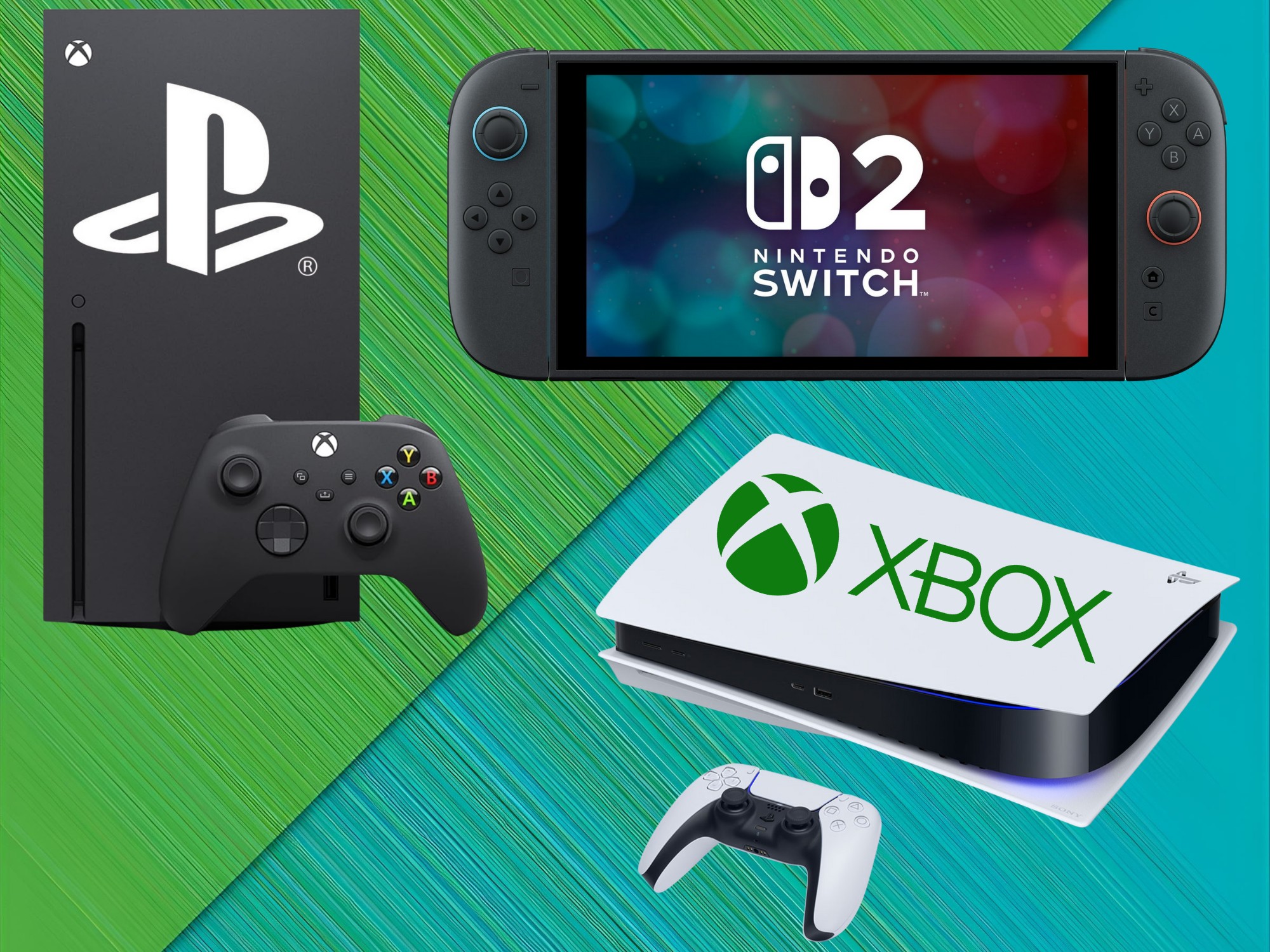
Xbox’s exclusive strategy is back in the spotlight after President Sarah Bond called exclusives “antiquated,” arguing that modern players expect the biggest games to launch across multiple platforms. That take drew a sharp response from former Microsoft executive Mike Ybarra, who pointed to Nintendo as proof that first-party exclusives can still drive massive success.
“Someone go tell Nintendo that exclusives are antiquated,” Ybarra quipped on social media. His point is hard to ignore: Nintendo continues to lean on system sellers to propel hardware, with Switch 2 poised to feature platform-only blockbusters. While the handheld is expected to welcome a broader slate of third-party titles, marquee releases like Mario Kart World and Donkey Kong Bananza remain locked to Nintendo’s ecosystem.
Ybarra’s stance isn’t a blanket rejection of change, nor is it an appeal to abandon innovation. He’s long warned that going too far with a cross-platform push risks weakening the case for a new Xbox console. Without must-have, unique games, there’s less reason to buy the hardware. At the same time, he believes Microsoft should lean harder into its strengths in publishing and services, particularly Game Pass, rather than relying solely on hardware exclusivity to carry the brand.
Why Nintendo still wins with exclusives comes down to how it balances tradition with reinvention. Some players view the company as the standard-bearer of old-school design, but Ybarra argues that Nintendo continually takes creative risks inside its beloved franchises. The Zelda series is a prime example, evolving into expansive 3D, open-world adventures that feel fresh while retaining the series’ identity. Similarly, Donkey Kong Bananza is described as a showcase for physics-driven destruction, repackaging familiar characters in new gameplay experiences. Delivering what fans want—while surprising them with new ideas—has proven a consistent, winning strategy.
Microsoft’s recent moves suggest it remains committed to a broader approach. With Halo: Combat Evolved becoming the latest former Xbox exclusive to appear on PS5, the company is clearly willing to take its biggest brands beyond its own console. The risk, as Ybarra emphasizes, is that any next-generation Xbox will need stronger incentives to attract buyers if platform-defining exclusives become rare.
The likely path forward sits somewhere in the middle. Xbox can continue expanding its audience through cross-platform publishing and subscription value while cultivating a focused slate of true system sellers that give players a concrete reason to invest in its hardware. Nintendo’s playbook shows that exclusives still matter—so long as they evolve, surprise, and deliver the kind of experiences you can’t get anywhere else.