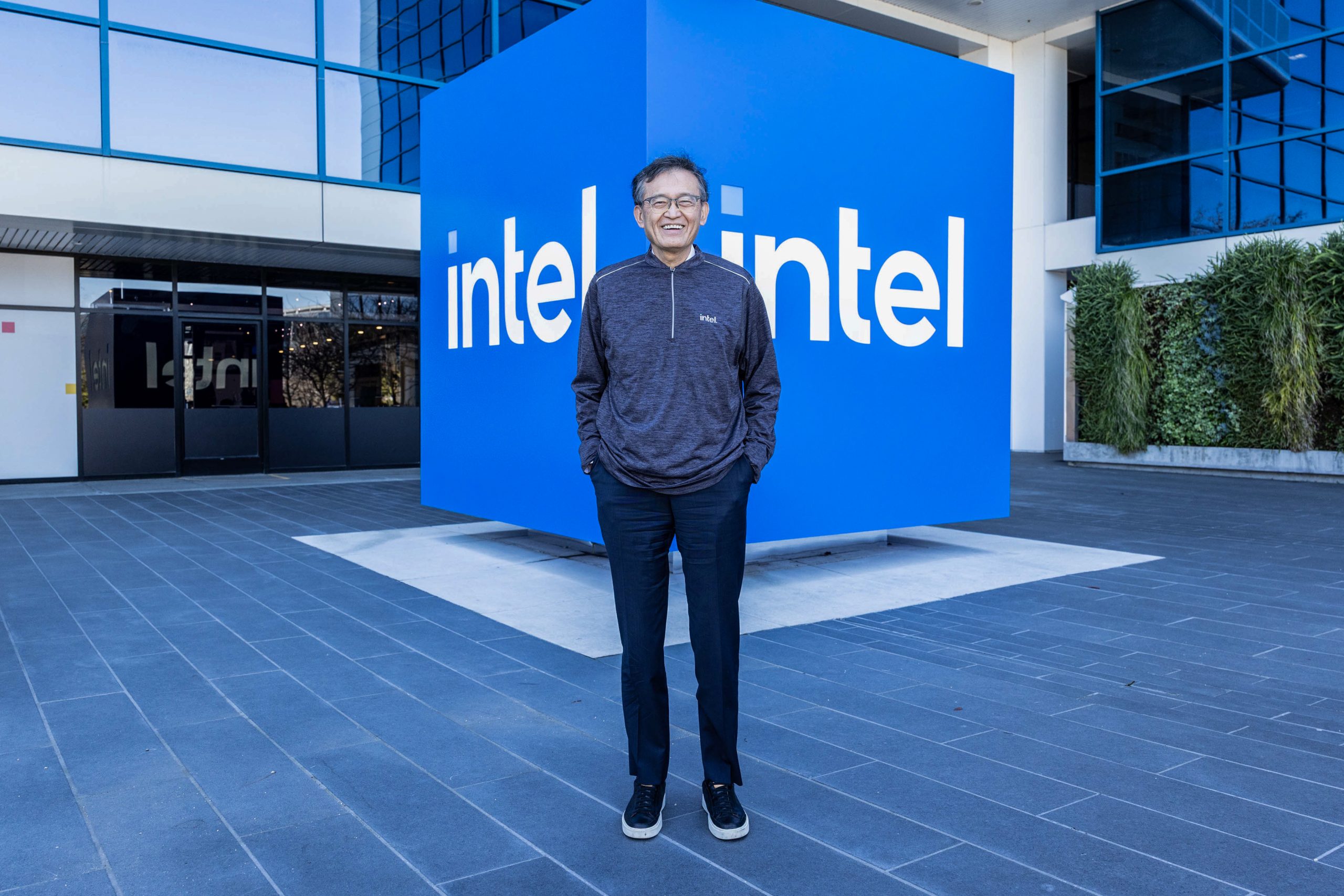
Intel’s leadership has taken a surprising turn with the appointment of Lip-Bu Tan as the new CEO. Previously managing Cadence Systems, Tan’s entrance into Intel’s headquarters was initially heralded with optimism for the legendary company. Yet, fresh reports are stirring a mix of intrigue and controversy. According to sources, Tan maintains substantial ties to Chinese businesses, connections that have not only broadened his influence but have also sparked concerns over potential conflicts of interest.
This transition couldn’t be more significant for Intel, especially as it stands as the largest chipmaker in the United States. Tan is reported to have investments in hundreds of Chinese firms, even extending to companies that are linked to the People’s Liberation Army, which raises eyebrows about the implications. These ties are now prompting scrutiny from the U.S. Department of Defense, questioning if Tan’s involvement remains appropriate given Intel’s importance to national security and its deep-rooted connections to America’s defense infrastructure.
Andrew King, a partner at Bastille Ventures, voiced his concerns saying, “The simple fact is that Mr. Tan is unqualified to serve as the head of any company competing against China, let alone one with implications on intelligence and national security like Intel.” His statement reflects the ongoing debate about the compatibility of Tan’s current position with his past investments and connections.
Despite these allegations, Tan has allegedly ceased his business endeavors in China. However, databases still show his investments in the region, and no official records of divesting have been publicized. Most of these investments come through Walden International, his well-known venture capital firm. While it’s legal for U.S. entities to invest in Chinese companies unless specifically prohibited by the U.S. Treasury, the real risk lies in whether Intel’s defense contracts might be jeopardized.
Interestingly, Tan’s familiarity with Chinese markets could potentially offer Intel a strategic advantage. His track record includes elevating companies like SMIC, hinting that his expertise might push Intel to new heights, particularly in regions where its AI hardware presence is currently lacking. This move has the potential to boost the adoption of Intel’s Gaudi AI lineup, carving a substantial niche in the competitive landscape.
In the end, whether Tan’s tenure will bolster Intel’s growth or unravel into a complex conflict of interest saga remains to be seen. For now, Intel’s position in the global tech arena faces a moment of transformation under Tan’s leadership, with both opportunities and challenges lying ahead.


