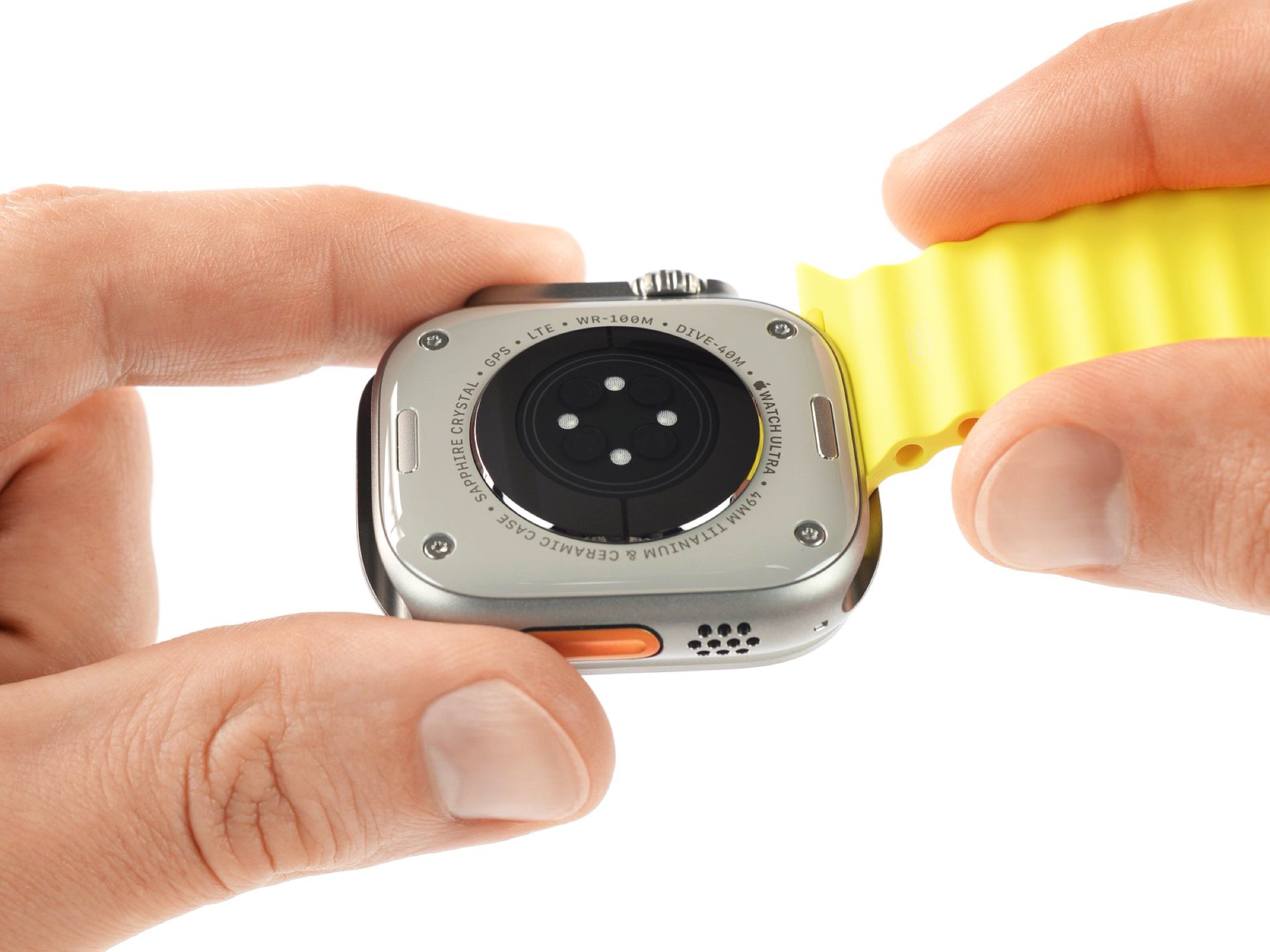
EU Right to Repair rules will spare Apple Watch and other wearables from battery replacement requirements
The European Union’s Right to Repair rules are designed to make everyday electronics easier and more affordable to fix, but not every device will be covered equally. While smartphones and tablets are set to face stricter repairability standards, popular wearable products such as the Apple Watch, fitness trackers, and smart glasses are expected to receive an exemption.
Under the upcoming EU repair regulation, many electronic devices sold in the region will need to be built in a way that allows key components, especially batteries, to be replaced more easily. From February 18, 2027, smartphones and tablets will be required to support battery replacement without the need for specialized tools. Manufacturers will also need to ensure that replacement batteries remain available for at least five years.
The goal is to reduce electronic waste, extend product lifespans, and give consumers more control over repairs. In theory, this should make it easier for users to keep their devices running longer instead of replacing them when the battery begins to wear out.
However, the European Commission is now making exceptions for certain product categories. These include electric toys and wearable devices such as smartwatches, fitness bands, and smart glasses. As a result, products like the Apple Watch, Google Fitbit devices, and Meta Ray-Ban smart glasses will not be required to feature easily replaceable batteries.
That means manufacturers can continue using compact sealed designs where the battery is difficult, risky, or nearly impossible for an average user to replace at home. For consumers hoping that future smartwatches would become as repair-friendly as upcoming smartphones and tablets, the decision may be disappointing.
According to the European Commission, the exemption was not introduced because of lobbying pressure. The reasoning is based on safety concerns. Wearable devices are often extremely small, tightly sealed, and designed to sit directly on the body. Opening them incorrectly could create risks involving battery damage, water resistance failure, overheating, or other safety issues.
This is especially relevant for smartwatches and fitness trackers, which often include delicate sensors, adhesive seals, wireless charging coils, and water-resistant casings. Making these devices fully user-repairable may require design compromises that could affect durability, size, or safety.
Still, the exemption raises an important question for the future of wearable technology. Battery life remains one of the biggest long-term issues for smartwatches and fitness trackers. Even premium models can become less useful after a few years once battery capacity drops. Without mandatory replaceable batteries, many users may still need to rely on official repair services or replace the entire device.
The broader EU Right to Repair regulation is already influencing product design across the technology industry. Companies are preparing future devices with easier battery access and longer parts availability in mind. Some upcoming electronics are expected to adopt more repair-friendly designs as manufacturers adjust to the 2027 rules.
Wearables, however, may remain an exception. While a few models may offer improved repairability, truly easy battery replacement in smartwatches is likely to remain uncommon. Devices such as the Apple Watch Ultra and other compact wearables are expected to continue prioritizing slim designs, water resistance, and tightly integrated hardware over at-home repairs.
For consumers, the key takeaway is simple: the EU Right to Repair rules will make many phones and tablets easier to repair, but they will not guarantee the same benefit for smartwatches, fitness trackers, or smart glasses. Anyone buying a wearable should still consider battery longevity, repair costs, and manufacturer service options before making a purchase.