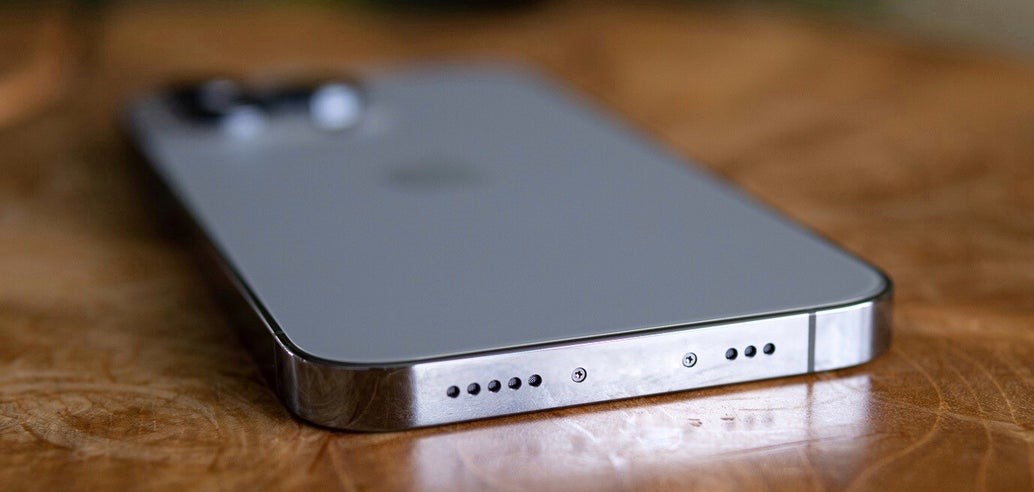
Apple has been toying with the idea of launching the iPhone 17 Air with a revolutionary portless design. This would mean charging would rely solely on MagSafe technology or Qi-enabled wireless chargers. Although this concept might have garnered excitement among tech enthusiasts, it faced hurdles and was eventually set aside due to potential conflicts with European Union regulations. These regulations recently pushed Apple to transition its devices from the Lightning port to the more widely-used USB-C, citing consumer rights and standardization.
However, recent updates suggest that a portless iPhone isn’t entirely off the table. The EU would permit Apple to market such an iPhone, as long as it doesn’t necessitate buyers to purchase additional proprietary accessories. This comes as Apple improves its wireless charging capabilities. The iPhone 16 series already provides robust charging, with MagSafe reaching speeds of up to 25W and Qi2 peaking at 15W. These advancements mean charging efficiency is increasing, though direct connections remain faster.
The key to avoiding EU restrictions lies in Apple ensuring compatibility of its devices with existing accessories. Qi-enabled chargers, for example, work with multiple devices, fostering an ecosystem that isn’t exclusive to a single brand or product type. This aligns with EU efforts to harmonize wireless charging to reduce market fragmentation and ensure consumer convenience.
Federica Miccoli, an EU Commission press officer, noted that a portless iPhone is feasible under current rules, provided Apple doesn’t tie users to proprietary solutions like the defunct Lightning connector. The emphasis remains on promoting standardized and interoperable wireless charging technologies.
As the wireless charging landscape evolves, with the EU monitoring developments keenly, it’s plausible that Apple could introduce a portless iPhone in the future. The question remains whether the market will warmly embrace such innovation, given its reliance on wireless infrastructure. As wireless charging becomes ubiquitous, Apple’s bold vision might just find its place, reshaping consumer expectations in the process.