Epic Games Settles Fortnite Leaks Lawsuit With Former Contractor
Epic Games has reached a settlement in its lawsuit against a former Fortnite contractor accused of leaking confidential information about upcoming in-game content, collaborations, and brand partnerships before they were officially announced.
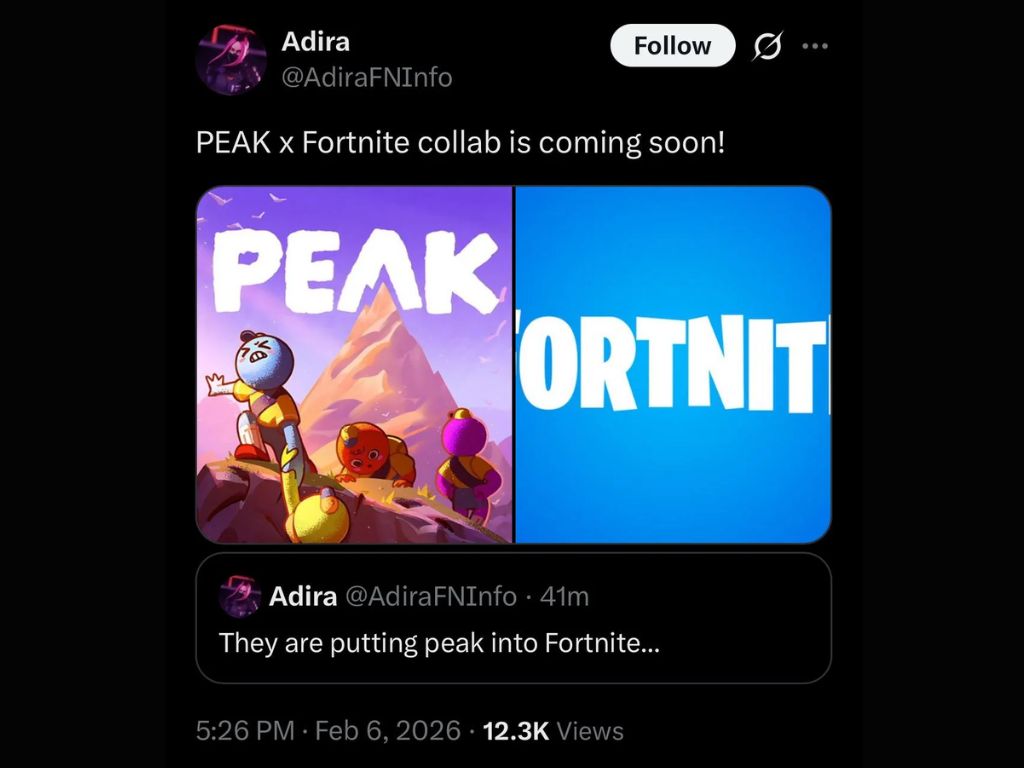
The case centered on Hayden Cohen, a former associate producer who worked on Fortnite. Epic accused Cohen of sharing private details about future Fortnite updates through a now-inactive X account known as @AdiraFNInfo. The account had gained attention among Fortnite fans for posting seemingly accurate information about upcoming crossovers and collaborations.
According to Epic’s original complaint, the leaked information involved several major entertainment and gaming brands. The alleged leaks reportedly included details tied to potential Fortnite collaborations with franchises such as Minecraft, South Park, Overwatch, Ben 10, Peak, and others. These details were said to have been posted publicly before Epic Games or its partners were ready to make official announcements.
Epic argued that the leaks harmed its business relationships and made it more difficult to work with outside intellectual property owners. The company has long relied on surprise reveals and high-profile crossovers to keep Fortnite fresh, with limited-time events, character skins, and themed content often generating major excitement across the gaming community.
When Epic first took legal action, the company said it does not tolerate the release of confidential partner information or trade secrets by current or former team members. Epic emphasized that unauthorized leaks can damage trust with partners and interfere with the company’s ability to bring popular franchises into Fortnite.
Court filings in North Carolina now show that both sides have agreed to settle the dispute. As part of the proposed settlement, Cohen would be placed under a permanent injunction. That injunction would prevent him from possessing, accessing, using, or disclosing any of Epic’s confidential information or trade secrets. It would also bar him from helping anyone else share or use that information.
The settlement still requires approval from a judge before it becomes final.
Interestingly, the agreement does not appear to include monetary damages. Epic’s initial lawsuit had sought compensation over alleged losses and claims of unjust enrichment, but the current settlement focuses on preventing any future disclosure of confidential information. Epic has not provided additional details about whether any financial arrangement was discussed privately.
Cohen’s account had built a sizable following among Fortnite players who closely track leaks, rumors, skins, map changes, and upcoming collaborations. Fortnite leaks have become a major part of the game’s online culture, with fans often eager to learn about new battle pass content, crossover events, and limited-time modes before official reveals.
However, Epic Games has repeatedly taken a firm stance against leaks that involve confidential business information. Employees and contractors are typically required to sign non-disclosure agreements, especially when working on unreleased content or partner-related projects. Epic claimed Cohen violated those obligations while working with the company.
The case highlights the growing tension between leak culture and the business realities of live-service games. Fortnite depends heavily on surprise announcements, licensed characters, and carefully timed marketing campaigns. When confidential details appear online early, it can disrupt promotional plans and create problems with partner companies whose intellectual property is involved.
For Epic Games, the settlement sends a clear message: the company is willing to pursue legal action when it believes private Fortnite information has been shared without permission. For fans, it is another reminder that while leaks may generate excitement, they can also carry serious legal consequences for the people behind them.
Fortnite remains one of the most collaboration-driven games in the industry, regularly bringing together characters, brands, musicians, films, anime, and gaming franchises. Because of that, protecting upcoming content has become increasingly important for Epic as it continues to expand Fortnite beyond a traditional battle royale game into a broader entertainment platform.