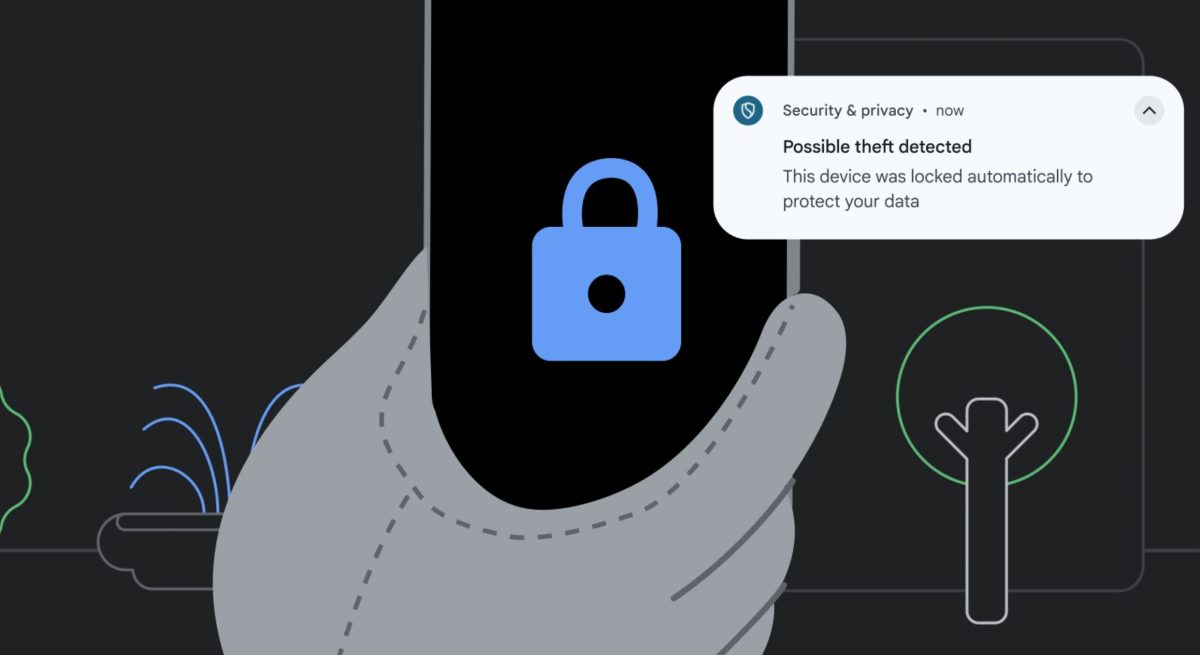
As smartphone theft continues to be a pressing concern, Google has stepped up its game to ensure user data and privacy are well-protected. At the 2024 I/O event, Google unveiled an innovative security feature for Android devices known as the Theft Detection Lock. This AI-driven security measure is designed to intuitively recognize when a device might be stolen and lock it down to prevent unauthorized access.
Comprehensive Security with Android’s Newest Features
Android is elevating its security capabilities to new heights to tackle the challenges of device theft, spam, and data breaches. The Theft Detection Lock is poised to bolster protection levels by automatically locking smartphones upon detecting suspicious movement patterns. Additionally, this feature will be backwards compatible and is slated to debut later in the year for devices running Android 10 and above.
In scenarios where internet access is not available, the Offline Device Lock kicks in to safeguard your device. Users can also take advantage of the Remote Lock function to secure their phones remotely through the Find My Device service if they happen to lose their device. This can be particularly useful for not only safeguarding the device but also for either retrieving significant information or opting to erase data to further shield one’s privacy.
Live Threat Detection represents another leap forward in combating fraudulent activities on mobile devices. Leveraging on-device machine learning, this feature can pinpoint malware that’s attempting to compromise sensitive information. Upon detection, thanks to Google Play Protect, the suspicious app undergoes a thorough examination by Google for further analysis. This protection is expected to extend its reach to a range of smartphone manufacturers, including Pixel and OnePlus, to name a few.
Google is also diligently developing Factory Reset Protection. This security protocol is specifically designed to deter thieves from performing factory resets to clear data from stolen devices before attempting to sell them. Any attempt at a factory reset necessitates verification via the associated Google account. Similarly, disabling the Find My Device option requires authentication via biometric data or passcode entry.
Optimized Privacy and Integrity in the Digital Age
The new Single App Screen Sharing feature is yet another addition aimed at enhancing user privacy. It allows individuals to share their screen for a single app while ensuring sensitive notifications, particularly those containing one-time passwords, remain concealed.
Furthermore, users can take advantage of the Private Space functionality, which imposes an extra layer of verification before one can open certain confidential applications. Google is also intent on bolstering the Play Integrity API to assist developers who handle sensitive data, like those creating banking applications, by integrating an integrity check to identify any harmful third-party applications.
Google’s AI-powered security toolkit presents a comprehensive three-tiered approach to mobile protection, starting with preventative measures, followed by immediate action during a theft incident, and then post-theft recovery processes. These added layers of authentication are reminiscent of Apple’s device protection systems but with the advanced feature of theft motion detection, Google takes a definitive step forward in mobile security.
In summary, Google’s Theft Detection Lock feature marks a significant advancement in the ongoing battle to secure mobile devices from theft and unauthorized access. By integrating new security features with existing systems, Google is offering users a robust mechanism to keep their private data safe and giving them greater peace of mind in their digital lives.