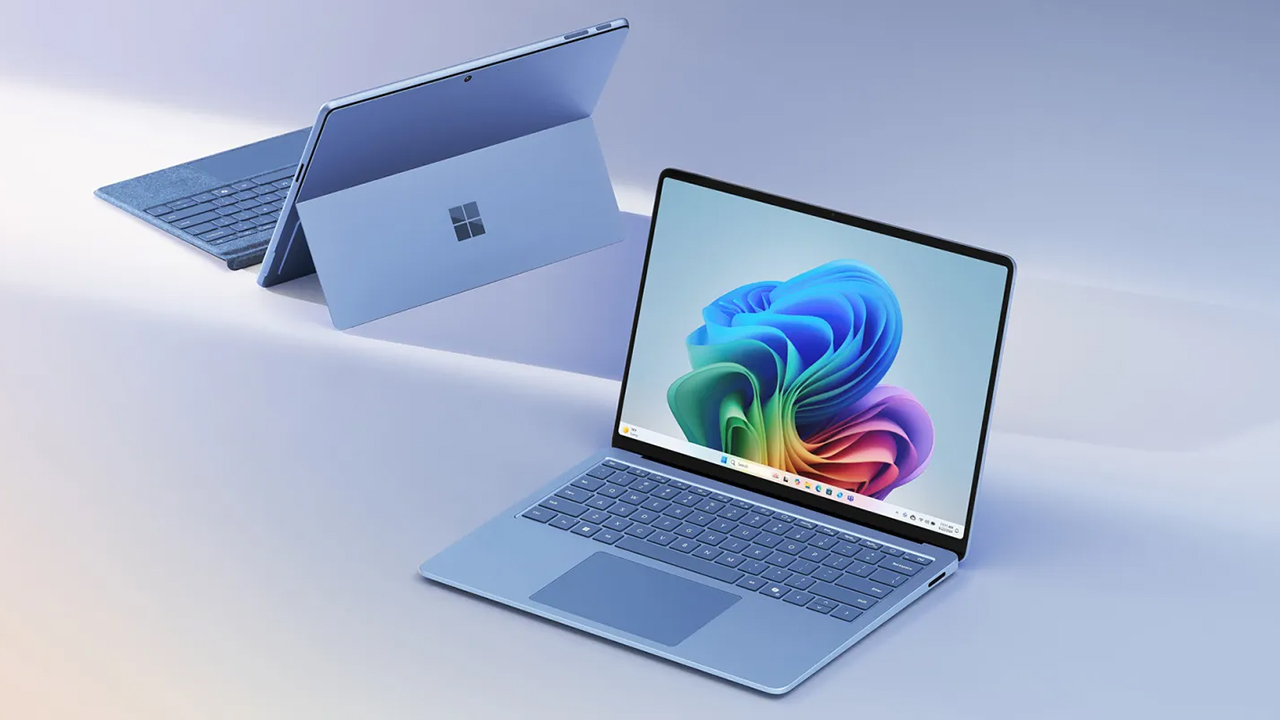
In a bid to boost the performance of creative applications on the next-generation ARM-based laptops, significant updates are set to arrive in the form of native ARM versions of popular Adobe Creative Suite apps. Users of Snapdragon X series laptops can expect to witness enhanced functionality and improved speed with these forthcoming releases.
The shift to ARM architecture in the laptop industry has introduced a variety of lightweight and efficient devices, yet one particular concern has been the compatibility of mainstream software with the ARM64 platform. Addressing this, Microsoft has officially announced the impending release of ARM-optimized versions of Adobe Illustrator and InDesign targeted to roll out in July.
The integration of these native ARM applications will be especially welcomed by those in design and multimedia fields, as the Snapdragon X series processors from Qualcomm power the range of newly released Copilot Plus AI PCs. While the Prism emulator has allowed for Windows applications to operate on these ARM devices, native support promises smooth, optimized performance without the need for emulation.
Further elevating the capabilities for creative professionals, Microsoft has also divulged plans to release native ARM versions of Adobe After Effects and Premiere Pro, slated to launch later in the year. Such updates are expected to deliver a significant leap in terms of processing speeds and efficiency, levering the raw power of ARM64 chips without the overhead of emulation.
Industry reviews have already shed light on the improved performance of native ARM applications. For instance, the Asus Vivobook S 15 OLED, equipped with the Snapdragon X Elite X1E-78-100, demonstrated that apps like Adobe’s currently ARM-supported suite outperform their emulated counterparts.
The native ARM compatibility signifies an essential step towards full software support for ARM-based systems, which is anticipated to draw more users and developers alike. As a result, the app ecosystem for ARM is poised to expand, thereby reinforcing the appeal of ARM laptops not just for general productivity but for multimedia production and design work as well.
As the landscape evolves, it is evident that technology companies are increasingly cognizant of user needs, striving to align with the demanding requirements of modern computing workflows. With Adobe’s Creative Suite leading the way, the future for ARM-based computing looks promising, both in terms of diversity and operational excellence.


