In the ever-evolving landscape of electric vehicles (EVs), the annual Consumer Reports vehicle brand ranking provides valuable insights into how carmakers are stacking up in terms of predicted reliability, owner satisfaction, and road-test performance. This year’s assessment, encompassing 34 auto brands, reveals an intriguing mix of traditional manufacturers and emerging startups fighting for dominance in the EV market.
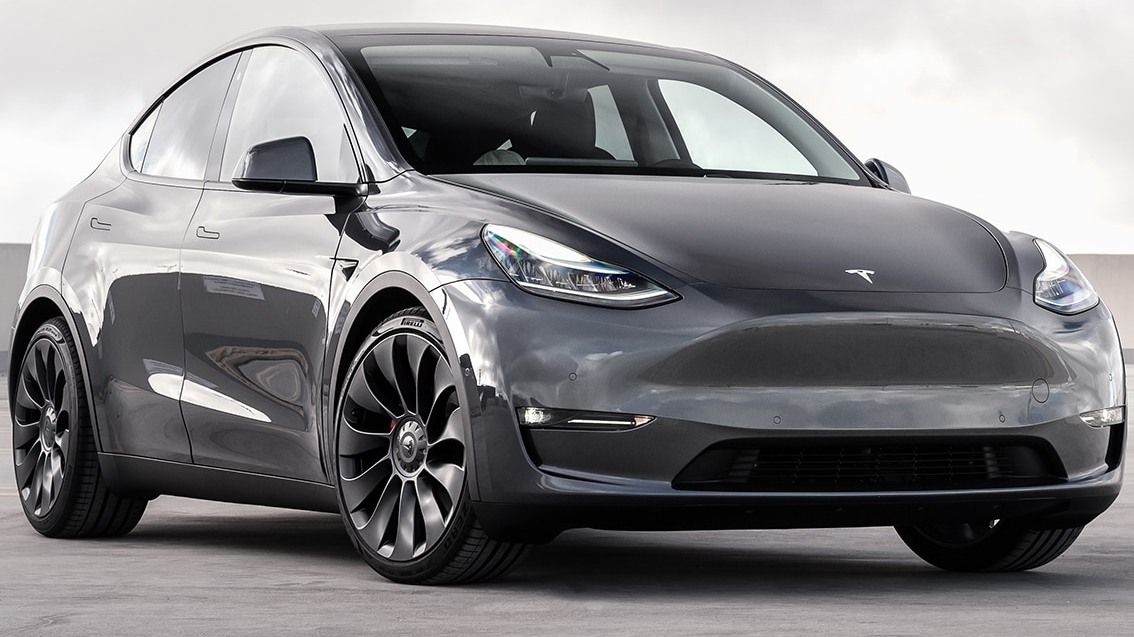
Amidst fierce competition, Tesla has experienced a dip in the rankings, positioning itself 18th out of 34, although its overall reliability appears to be on an upward trajectory. Notably, the Tesla Model Y and Model 3 have garnered positive reviews, achieving high owner satisfaction and reasonable reliability predictions. However, the older Tesla models, the Model S and Model X, have not performed as admirably as their siblings, delivering lower scores that sit beneath the Lucid Air’s results, which were rated 63/100 and 54/100, respectively.
Newcomer Rivian landed near the bottom at the 30th position, with uncertain reliability marking its biggest challenge. Conversely, the Polestar 2, despite its luxury status, has not impressed in terms of reliability, considered the worst in its class.
Lucid Motors, despite having only one model— the Lucid Air—in its lineup, shows a contrasting performance: it has a subpar reliability rating of 2/5 but boasts a stellar near-perfect road-test score of 94/100, leading to an overall score of 69/100.
Established automakers venturing into the EV sector are making noteworthy strides, as exemplified by BMW leading the overall list of best brands for 2024 with an 82/100 score. The BMW i4 has done particularly well, with strong performance in every area except for average reliability, where it scored a middling 60/100.
Korean car manufacturers Hyundai and Kia have seen their rankings ascend to 10th and 7th place respectively. The Hyundai Ioniq 6 leads the charge with a commendable overall score of 83 and a reliability score of 70/100. The Kia EV6 also proved to be popular, achieving a respectable score of 77/100 despite receiving a moderate reliability score of 48/100.
This blend of rankings signifies a shifting narrative within the electric vehicle industry. As EV startups like Lucid, Rivian, Polestar, and Tesla innovate with high-tech electric models, legacy automakers are increasingly leveraging their experience to refine key aspects such as EV reliability, indicating that when it comes to electric cars, newer isn’t always better.