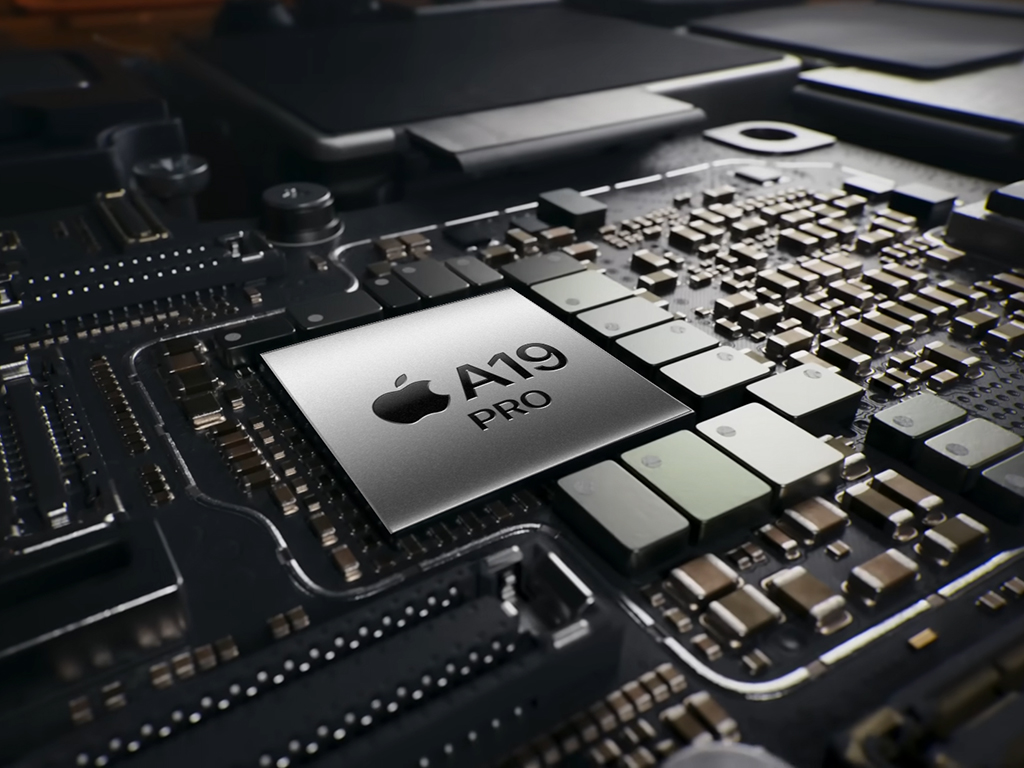
iPhone 17 Pro’s A19 Pro shows modest gains in early benchmarks, with memory upgrade doing the heavy lifting
Apple’s iPhone 17 Pro debuts with the new A19 Pro chipset, but early numbers suggest a measured, not monumental, leap over last year’s A18 Pro. The silicon retains a familiar layout: 6-core CPU, 6-core GPU, and a 16-core Neural Engine. Apple is pitching it as the most capable iPhone chip yet, aided by system tweaks and a new vapor chamber intended to improve sustained performance under load.
Fresh AnTuTu results give an early look at where the gains are coming from. The iPhone 17 Pro posted an overall score of 2,033,552, edging past the iPhone 16 Pro’s A18 Pro average of 1,954,677 by about 4%. That bump appears to be largely memory-driven: the iPhone 17 Pro scored 362,712 in the memory subtest, roughly a 49% jump over the 242,810 score associated with the prior model. The jump from 8 GB to 12 GB of RAM is the likely culprit, promising smoother multitasking and better app retention in everyday use.
Interestingly, the CPU subscore dipped by about 5.5% compared with the A18 Pro in this early run. That could be down to pre-release software, background processes, thermal conditions, or other early-benchmark variability. Given the unchanged core configuration, a sizable CPU performance leap isn’t expected, but firmware updates and subsequent runs may refine the picture. Early Geekbench hints have also pointed to only slight improvements generation-over-generation.
What this means for users:
– Expect modest overall performance gains on paper, with the biggest day-to-day win coming from the increased RAM.
– The vapor chamber and system-level tuning could translate into better sustained performance in long gaming sessions or intensive workflows, even if peak CPU numbers don’t jump dramatically.
– Machine learning tasks should remain strong thanks to the 16-core Neural Engine, though headline architectural changes appear limited this cycle.
Bottom line: the A19 Pro looks like an iterative upgrade focused on consistency and memory-driven responsiveness rather than raw CPU fireworks. Real-world benefits should show up in smoother multitasking and potentially steadier performance under prolonged loads, while raw benchmark leaps remain modest for now.