DS Technology Pushes Modular Automation Systems for Faster Global Expansion
Taiwanese automation integrator DS Technology is adjusting its strategy as it looks beyond its home market, moving from heavily customized robotic automation projects toward more standardized modular systems that can be deployed faster and sold more easily overseas.
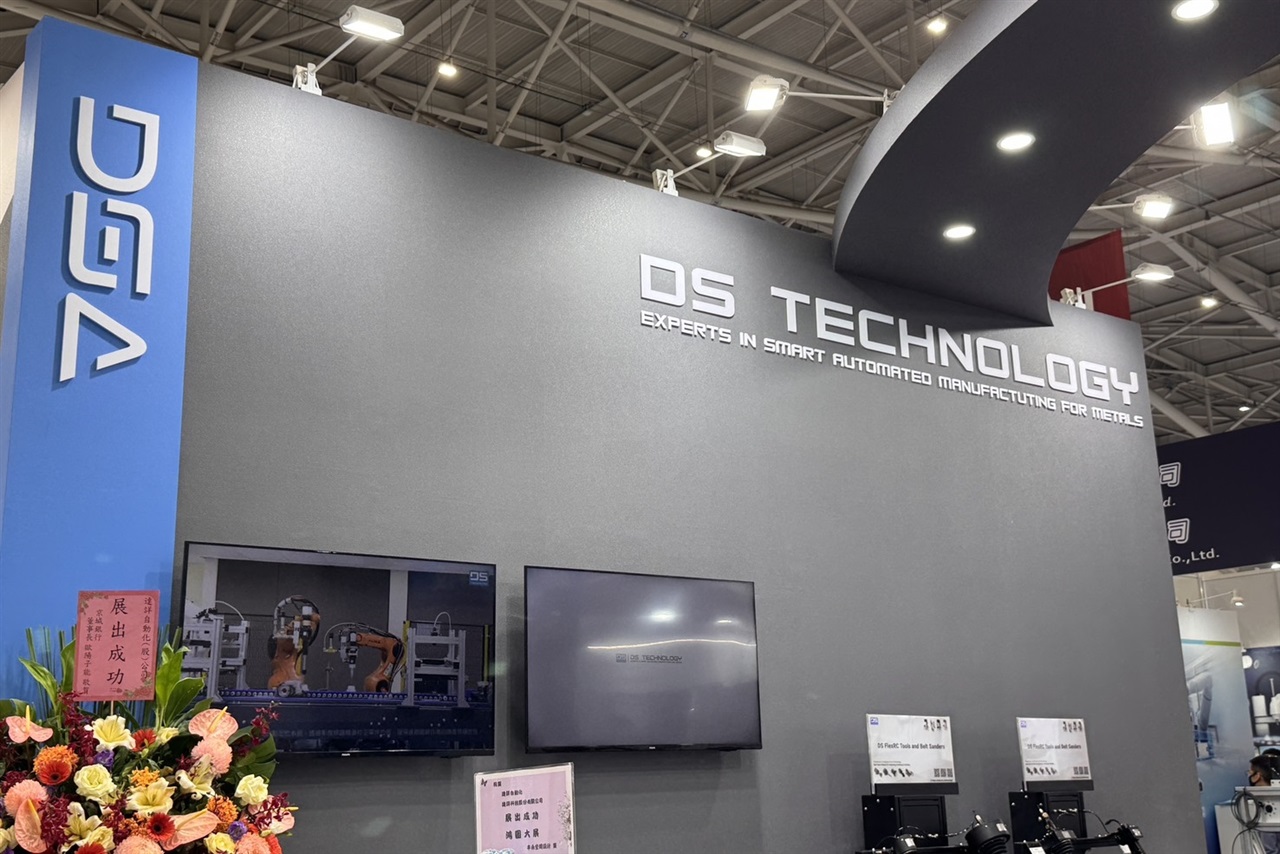
The company presented its automation solutions at Automation Taipei 2026 in Taipei on August 21, 2026, where its latest direction highlighted a major shift in how industrial automation providers are responding to global manufacturing demand. Instead of building each robotic system almost entirely from the ground up for individual customers, DS Technology is focusing on modular automation platforms that can be adapted to different production lines with less engineering time.
The move is designed to make robotic automation more accessible for manufacturers that want speed, flexibility, and predictable implementation costs. Highly customized automation can deliver strong results, but it often requires long development cycles, deep integration work, and close support from engineering teams. That model can become difficult to scale internationally, especially when customers are located far from the company’s main technical base.
By creating more standardized automation modules, DS Technology aims to simplify deployment while keeping enough flexibility to meet the needs of various industries. Modular robotic systems can be configured for different tasks, expanded as production requirements change, and maintained more efficiently. This approach is increasingly attractive to manufacturers facing labor shortages, rising operating costs, and pressure to improve productivity.
The company’s international ambitions are also becoming clearer. DS Technology is seeking to make its products easier for overseas partners to sell, install, and support. Prospective partnerships in markets such as Brazil show that the company is looking at regions where manufacturers are modernizing production facilities and investing in automation to stay competitive.
For overseas expansion, standardization can be a major advantage. Local partners often need systems that are reliable, repeatable, and simple to explain to customers. A modular automation product line can reduce the complexity of sales and after-sales service, allowing distributors and integration partners to work with a more consistent portfolio rather than managing fully custom projects every time.
This shift also reflects a broader trend in the global robotics and industrial automation market. Manufacturers are increasingly looking for automation that can be installed quickly and adjusted easily as production needs evolve. In fast-changing sectors, companies do not always want permanent, single-purpose systems. They want flexible automation that can support shorter product cycles, mixed production, and future upgrades.
For DS Technology, the challenge will be balancing standardization with the customization that many industrial clients still require. Automation projects often depend on factory layout, product type, production volume, and existing machinery. A successful modular system must be adaptable enough to solve real-world manufacturing problems while remaining simple enough to scale across different markets.
If DS Technology can strike that balance, its strategy could help the company expand beyond Taiwan and compete more effectively in the global automation industry. The growing demand for robotic automation, smart manufacturing, and flexible production systems gives companies like DS Technology a strong opportunity to reach new customers.
As manufacturers continue to invest in automation to increase efficiency and reduce reliance on manual labor, modular robotic systems may become an increasingly important part of the factory floor. DS Technology’s appearance at Automation Taipei 2026 suggests that the company sees modularization not just as a product change, but as a key step toward building a stronger international presence.