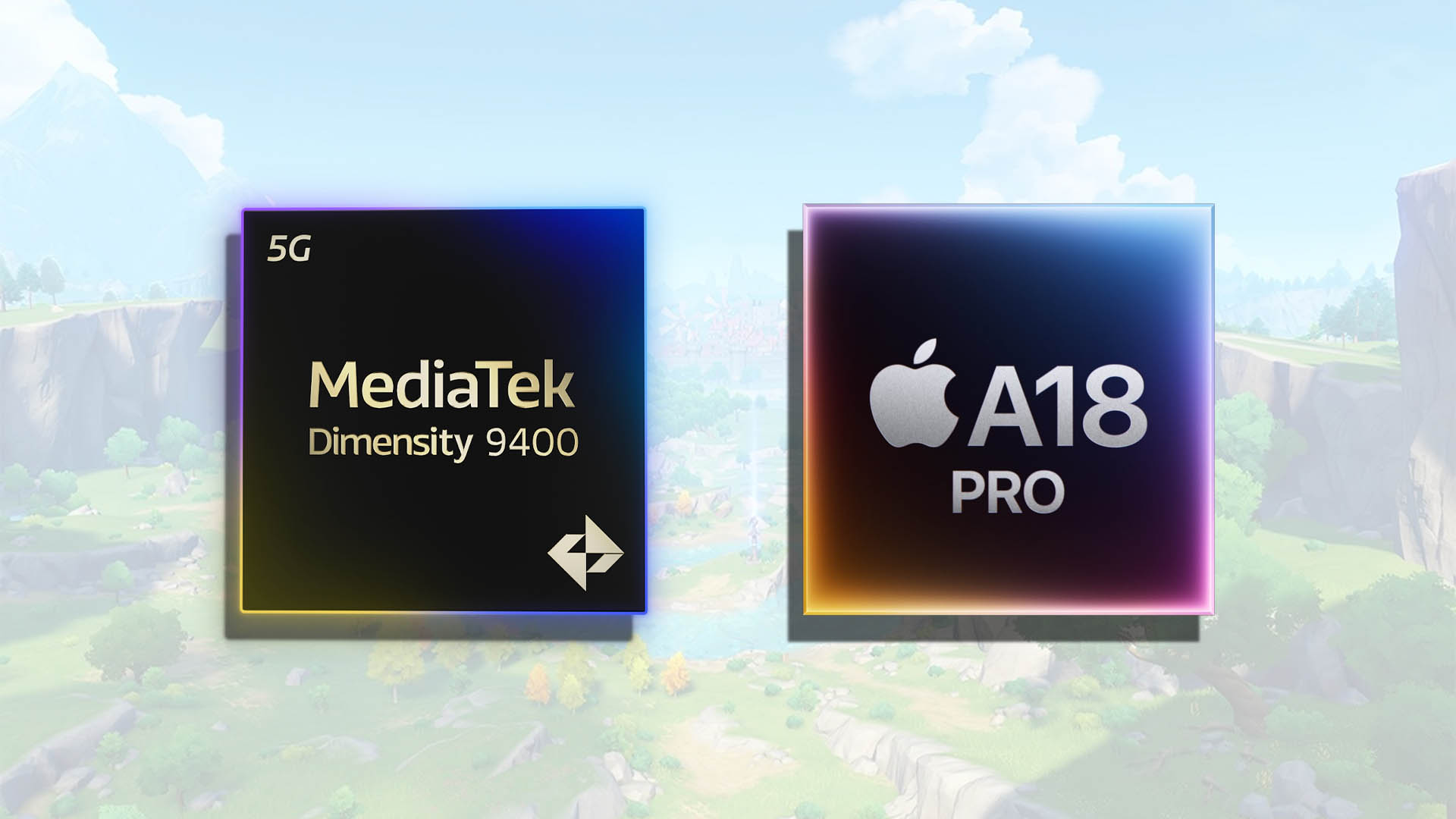
The new ARM Immortalis-G925 GPU in MediaTek’s Dimensity 9400 chipset is making headlines for its impressive performance boost. In recent comparisons, it has been shown to be up to 19% faster than its competitor, the A18 Pro. This improvement raises intriguing questions about its performance in real-world scenarios, particularly in gaming tests like Genshin Impact.
MediaTek’s newest chipset not only impresses with its speed but also excels in managing heat. In tests conducted with the Vivo X200 Pro, the Dimensity 9400 achieved lower operating temperatures, thanks in part to its advanced cooling technology that likely includes a vapor chamber. In contrast, while the A18 Pro in the iPhone 16 Pro Max performed well, it ran slightly warmer.
Another fascinating aspect of this comparison is the efficiency at play. The Snapdragon 8 Gen 3, a leading chipset from the previous generation, consumes significantly more power than the Dimensity 9400. This is largely due to MediaTek’s advanced manufacturing using TSMC’s cutting-edge 3nm process, which enhances efficiency. As a result, while the Snapdragon 8 Gen 3 consumes 6.3W at peak, the Dimensity 9400 uses only 4.4W, indicating a remarkable 43% difference.
The Vivo X200 Pro’s ability to maintain lower temperatures, even when matched in power consumption with the iPhone 16 Pro Max, highlights the significance of its cooling system. While Apple emphasizes its devices’ advanced thermal designs for boosting gaming performance, the Vivo model appears to have the upper hand in managing heat dissipation efficiently.
As more flagship phones powered by the Dimensity 9400 are set to launch in late 2024, expectations from MediaTek are high. However, the tech world is also abuzz with anticipation as the release of the Snapdragon 8 Gen 4 looms on the horizon, suggesting an exciting year ahead for smartphone enthusiasts.
Readers can look forward to continued advancements in mobile technology, where each generation raises the bar for speed, efficiency, and thermal management. As these innovations unfold, one thing is certain— the competition is fierce and the ultimate beneficiary is the consumer, enjoying faster and cooler-running devices.