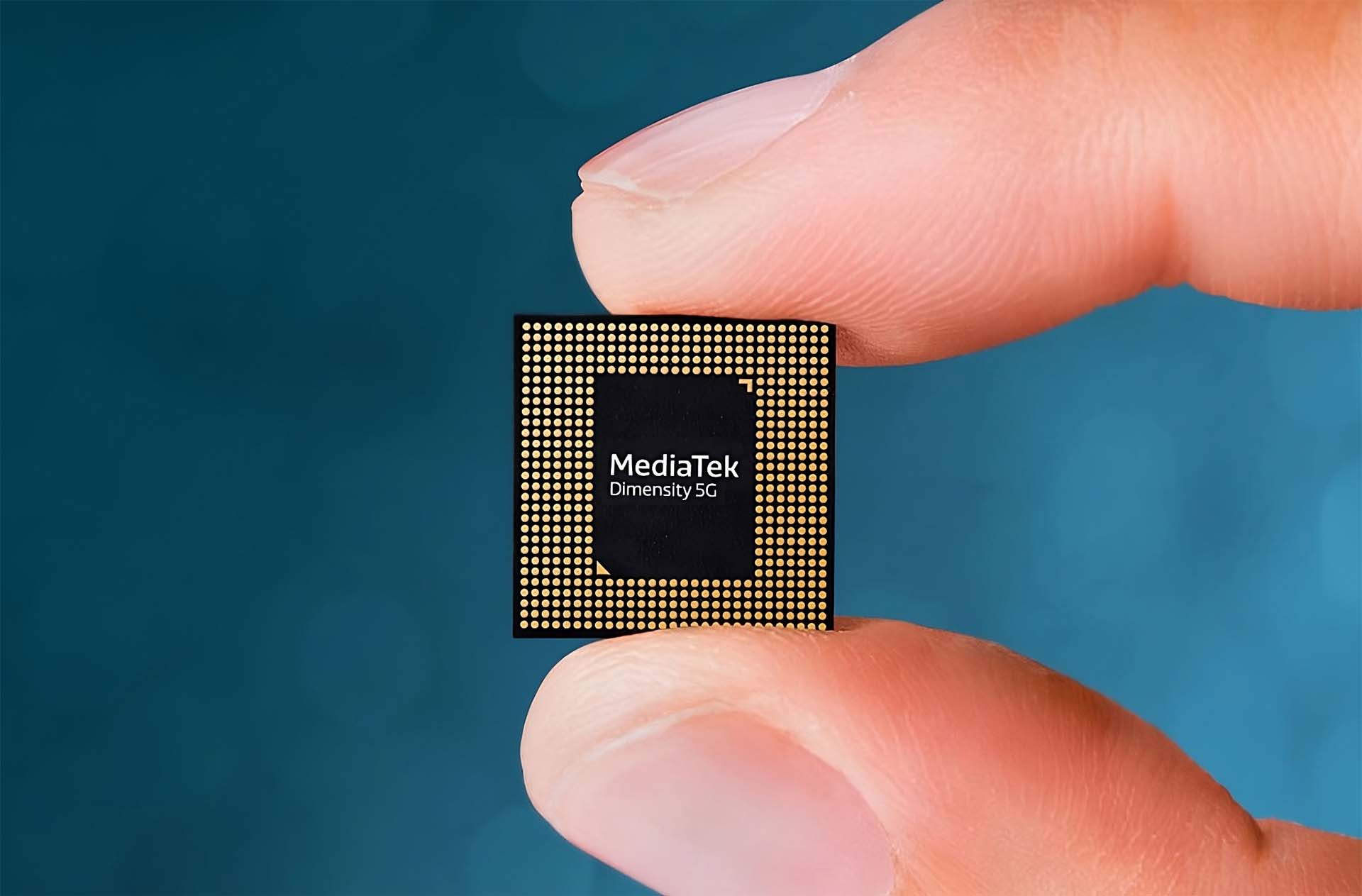
A recent tipster’s estimate has stirred up excitement in the tech world by suggesting that the upcoming Dimensity 9400 will be priced at $155 per unit. This price point not only undercuts the anticipated Snapdragon 8 Gen 4 but is also cheaper than the current Snapdragon 8 Gen 3, which is rumored to be priced at $200.
Updated figures indicate that MediaTek’s forthcoming 3nm SoC will be 20 percent less expensive than its competitor, the Snapdragon 8 Gen 4. However, it will still be nearly as pricey as the Snapdragon 8 Gen 3. Although the new report does not explicitly state the Dimensity 9400’s exact price, prior rumors have suggested that the Snapdragon 8 Gen 4 will hover around $240 per unit.
Both Qualcomm and MediaTek are partnering with TSMC to utilize its second-generation 3nm process for the mass production of the Snapdragon 8 Gen 4 and Dimensity 9400. With chipset pricing estimates varying widely, it’s challenging to provide a clear picture of silicon costs. According to DigiTimes, the Dimensity 9400 is projected to be 20 percent less expensive than the Snapdragon 8 Gen 4. If we take this reduction into account, and considering previous rumors peg the Snapdragon 8 Gen 4 at around $240, the Dimensity 9400 would likely be priced at approximately $200.
Even with these estimates, both 3nm chipsets remain expensive. Nevertheless, MediaTek’s more competitive pricing could allow it to capture some of Qualcomm’s market share. However, relying solely on a single foundry like TSMC will inevitably increase wafer costs annually, leaving MediaTek and Qualcomm with limited alternatives.
Samsung, for instance, has reportedly lost clients due to its inability to deliver stable yields with its 3nm GAA technology. In response, Qualcomm is looking at a dual-sourcing approach for the Snapdragon 8 Gen 5 next year, potentially using Samsung’s ‘SF2’ process, also known as 2nm GAA. But with Samsung struggling to improve its yields and TSMC standing as the sole viable option, chipset prices may continue to rise.
This trend poses challenges for flagship devices using the Dimensity 9400 and Snapdragon 8 Gen 4, forcing phone manufacturers to either absorb the increased costs or pass them onto consumers through higher device prices. Either scenario presents a less-than-ideal outcome for the tech industry.
As we await further developments, the implications of these pricing strategies will be closely monitored by industry insiders, with potential shifts in market dynamics hinging on MediaTek’s and Qualcomm’s next moves.


