Denso is ramping up its long-term growth ambitions as the global auto industry moves deeper into electrification, software-defined vehicles, and more advanced driver assistance systems. On March 31, Japan’s leading auto parts supplier unveiled a mid-term business plan running through March 2031, setting a bold target of JPY8 trillion (about US$54 billion) in revenue along with an 11% return on equity (ROE).
The new plan highlights a clear strategic direction: Denso wants to strengthen its position in technologies that are becoming essential to next-generation vehicles, with semiconductors taking a central role. As cars rely more heavily on chips for power management, sensing, connectivity, and automated driving features, suppliers that can secure stable chip capacity and develop in-house expertise stand to gain an edge. Denso’s strategy signals that it intends to be one of those winners.
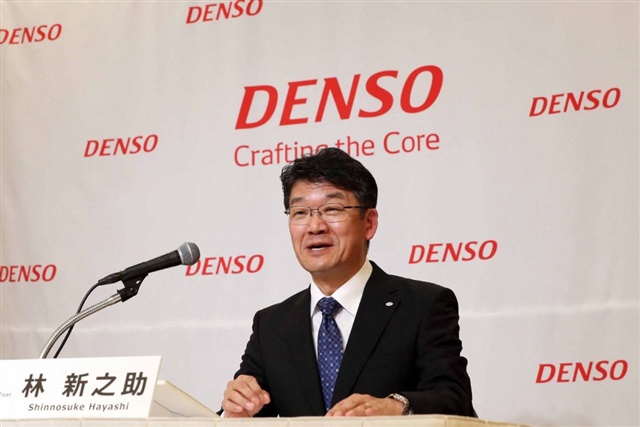
Denso chairman and CEO Shinnosuke Hayashi emphasized the company’s push to adapt to major industry shifts. The semiconductor focus reflects growing pressure across the supply chain to reduce vulnerability to chip shortages and geopolitical risks, while also improving performance and efficiency in electric vehicles and advanced automotive electronics.
With revenue and ROE goals set through 2031, Denso’s roadmap also sends a message to investors and automakers: the company is aiming not just for scale, but for profitability and capital efficiency as it expands in high-demand areas like semiconductors and related vehicle technologies.
As competition intensifies among global automotive suppliers, Denso’s aggressive financial targets and technology priorities position it to benefit from the accelerating demand for reliable automotive semiconductor solutions and the broader transformation of the mobility market.