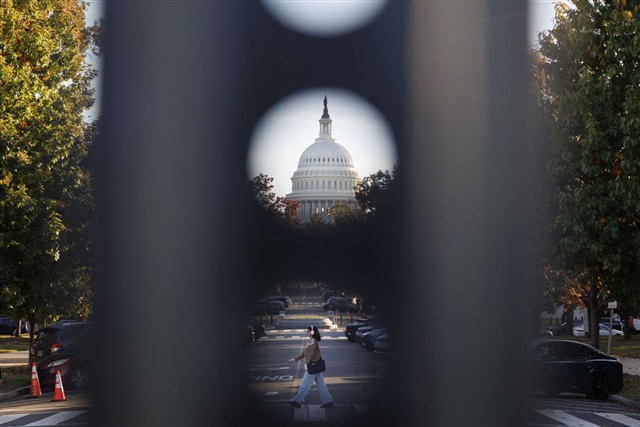
Democrats Take Control of Congress, Setting Up New Battles With Trump Over Energy and AI
Democrats have secured control of Congress in the US midterm elections, reshaping the political landscape for the second half of President Donald Trump’s term. The result significantly weakens Trump’s ability to push through his agenda and sets the stage for a tense period of political confrontation in Washington.
With Democrats now holding power in Congress, Trump faces the reality of a lame-duck presidency. His administration may struggle to advance major legislation without support from lawmakers on the other side of the aisle. Key policy areas, including energy, artificial intelligence, government spending, and regulatory oversight, are expected to become major points of conflict.
One of the biggest battlegrounds could be energy policy. Democrats are likely to challenge Trump’s approach to fossil fuels, environmental rules, and climate-related regulations. They may push for stronger clean energy investments, tighter emissions standards, and greater oversight of industries tied to oil, gas, and coal.
Artificial intelligence is also expected to move higher on the political agenda. As AI becomes more influential across business, national security, healthcare, and daily life, lawmakers may seek new rules to address privacy, safety, job disruption, and corporate accountability. A Democratic-led Congress could increase pressure on the Trump administration to support stricter AI regulation and transparency.
Despite the shift in congressional control, Trump still has a powerful tool: the presidential veto. Any legislation passed by Congress can still be blocked by the White House. To override a veto, lawmakers would need a two-thirds majority in both chambers, a difficult threshold that could limit how much Democrats can accomplish without bipartisan support.
This means the coming months could be defined by political gridlock, investigations, and high-stakes negotiations. Democrats may use their control of Congress to slow Trump’s agenda, launch oversight efforts, and force public debates on issues they believe were ignored or weakened during his presidency.
For Trump, the challenge will be finding ways to govern with a hostile Congress while defending his record and maintaining support among his political base. For Democrats, the task will be proving they can use their new power effectively without overreaching.
The midterm results mark a turning point in Washington. With Democrats in control of Congress and Trump still holding veto authority, the next phase of US politics is likely to be defined by confrontation, compromise, and fierce battles over the future of energy, technology, and federal power.