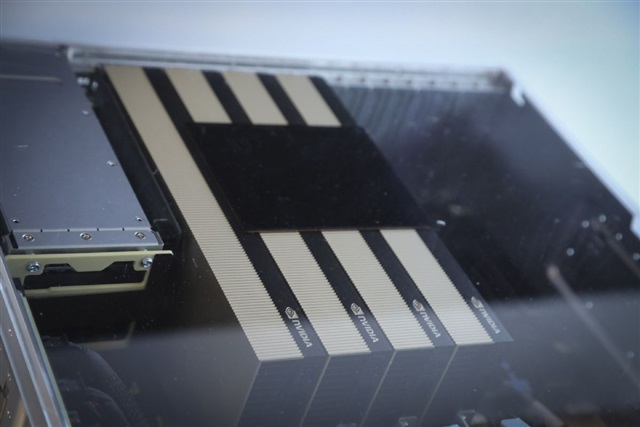
As artificial intelligence (AI) technology continues to evolve and integrate into various sectors, the server market is witnessing a considerable uptick in demands, particularly for passive components. The servers that power AI applications are complex machinery composed of numerous components, and among these, passive components are critical for ensuring the stability and efficiency of these systems.
Passive components, which include items like resistors, capacitors, and inductors, do not require an external source of energy to perform their electrical functions. They are essential in managing energy flow, filtering signals, and providing necessary electrical characteristics to circuitries within AI servers.
The rise in demand for these components is a direct result of the increasing deployment of AI services. These services demand high performance, speed, and reliability, driving the need for quality passive components. As AI servers are tasked with processing vast amounts of data, there is a greater need for robust systems that can sustain long-term, continuous operations with minimal downtime.
This demand is fueling innovations in passive components, with manufacturers working on new products and materials that can withstand the stringent requirements posed by AI technologies. Innovations include developing components that are smaller, more durable, and have higher performance metrics such as improved heat resistance and enhanced electrical properties.
For businesses and individuals involved in electronics, staying updated with the latest trends in passive components is vital. Investing in high-quality passive components can greatly impact the performance and longevity of electronics, especially those designed for the demanding AI sector.
When selecting passive components for AI servers or similar applications, here are some actionable steps:
1. Evaluate the performance requirements of your AI server, considering factors such as processing speed, data throughput, and operational longevity.
2. Research different manufacturers and suppliers of passive components to determine who is innovating in the space and can offer components that meet your specific needs.
3. Prioritize components that align with the latest industry standards and technological advancements to future-proof your investments.
4. Consider the reliability and reputation of the passive components’ brands you choose to ensure continuity of performance and minimal need for maintenance.
5. Stay abreast of emerging trends in AI to anticipate how future developments might affect your need for different types or specifications of passive components.
In the dynamic environment of AI development and demand, passive components are not a trivial aspect of tech innovation – they form the backbone of the reliable and efficient operation of AI servers. As this trend continues, we can expect further advancements in passive component design and manufacturing, ensuring these small but mighty components can keep up with the ever-increasing demands of the AI server market.