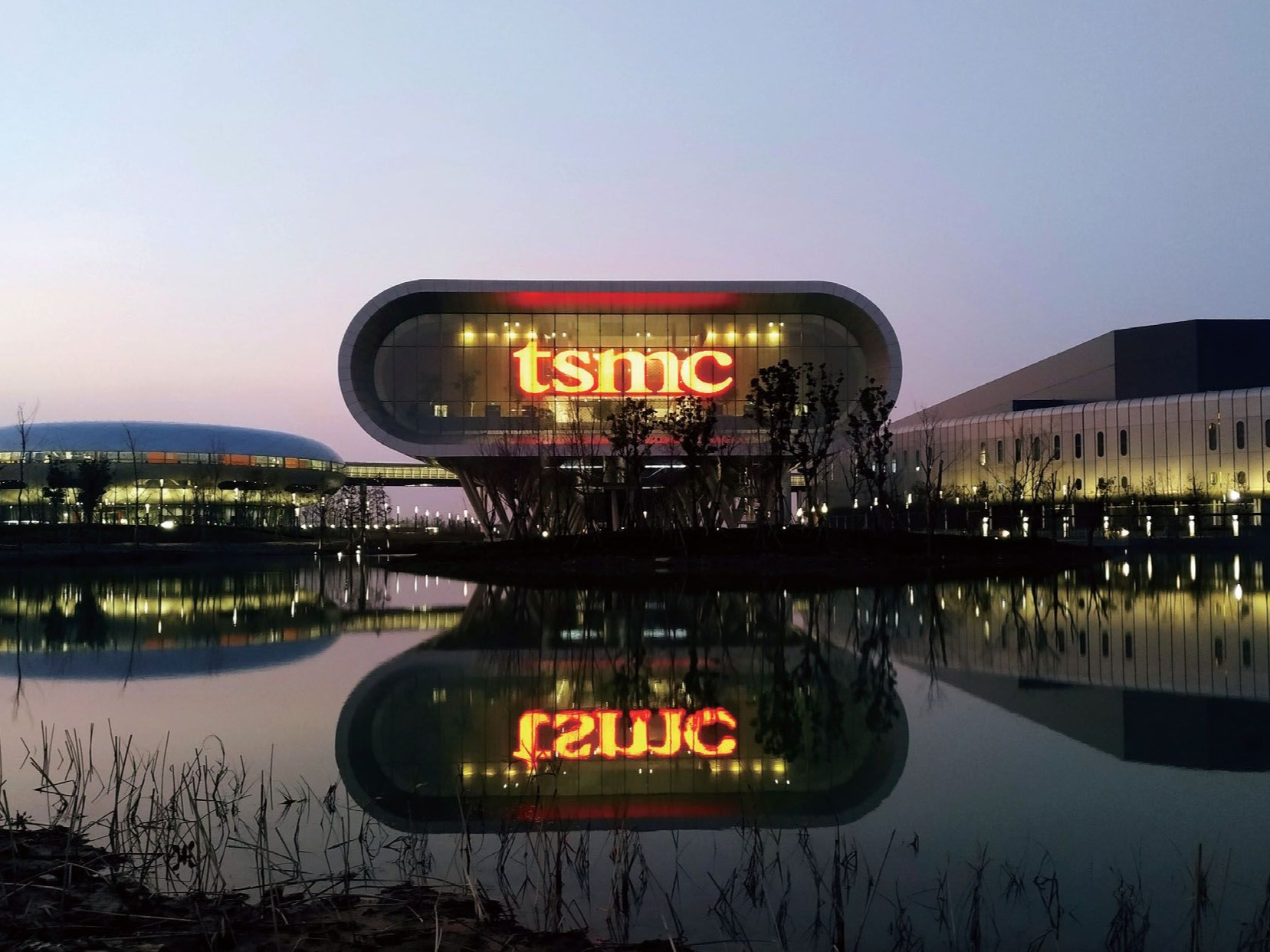
TSMC’s Nanjing fab will lose its Validated End User status at the end of 2025, marking a significant tightening of U.S. export controls on semiconductor equipment and materials bound for China. Starting December 31, 2025, blanket approvals for U.S.-controlled shipments to the site will end, and suppliers will need individual licenses for tools, spare parts, and certain chemicals. While this is not a shutdown, it introduces friction into a finely tuned supply chain and raises the risk of production delays if approvals don’t arrive on time.
TSMC says it is evaluating the situation and is in talks with the U.S. government, emphasizing that it intends to keep the Nanjing facility running without interruption. The shift mirrors earlier moves that stripped similar status from other chipmakers’ China facilities as Washington seeks to close export control loopholes.
What losing VEU means
– No more blanket approvals: Every covered shipment to Nanjing from U.S.-controlled vendors—equipment, service parts, and key process materials—will require a license.
– Longer lead times: Licenses can take time to process and may face a “presumption of denial,” adding uncertainty to maintenance schedules and ramp plans.
– More paperwork for suppliers: Previous revocations for other manufacturers have driven roughly 1,000 additional license requests per year. TSMC’s case was not listed in the Federal Register, but the practical effect is the same: more licensing is required.
Scale of impact
– Nanjing accounts for about three percent of TSMC’s total capacity and contributed a small share of revenue last year, according to Taiwan’s Ministry of Economic Affairs.
– The fab, which began production in 2018, focuses on 16-nanometer/12-nanometer FinFET and 28-nanometer-class logic—mature nodes that still rely on advanced etch, deposition, metrology, and lithography gear. Any delay in parts, maintenance, or material shipments could complicate operations.
Why replacements won’t be easy
– Swapping to non-U.S. or domestic Chinese tools—especially for lithography—is unlikely to be a near-term solution.
– Even if alternatives are sourced, process requalification would be necessary, which can affect yield, reliability, and throughput.
Who stands to gain or lose
– TSMC: Company-wide impact is likely more limited than for peers with larger footprints in China, but license timing introduces operational risk at Nanjing.
– Chinese foundries: If Nanjing’s output slows, players like SMIC and Hua Hong could pick up orders, assuming they have spare capacity at comparable nodes.
– Suppliers: U.S.-controlled tool and materials vendors will face higher compliance costs and planning complexity for Nanjing-bound shipments.
What to watch next
– License cadence and approval rates: The speed and predictability of U.S. licensing will determine how smoothly Nanjing can maintain and service its lines.
– Inventory strategies: Buffer stocks of critical spare parts and consumables may help, but only within the limits of storage, shelf life, and working capital.
– Customer allocation shifts: If delays materialize, chip customers may rebalance orders across geographies or nodes to protect schedules.
Bottom line
This is a policy tightening, not an immediate halt. But replacing broad export pre-approvals with case-by-case licenses injects uncertainty into a mature-node facility that still depends on top-tier equipment and materials. The next 12 to 18 months will hinge on how efficiently licenses are processed and how effectively TSMC and its suppliers manage inventories and maintenance windows to keep Nanjing running on time.