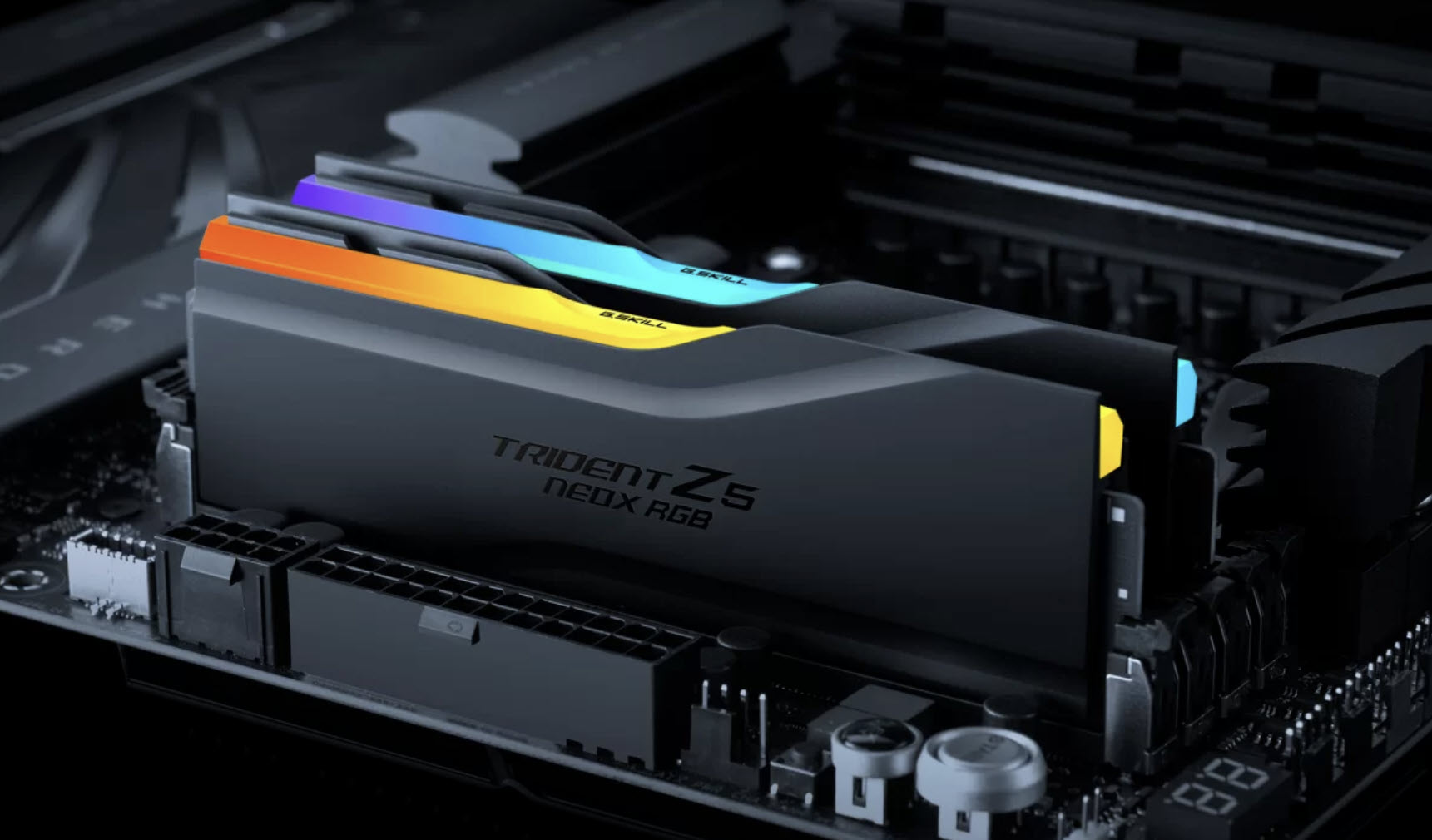
DDR5 memory prices have climbed sharply over the past year, making new PC builds noticeably more expensive. DDR4 memory has also become pricier, but it remains the cheaper option for budget-focused builders. Even so, recent motherboard sales data suggests that most buyers are not rushing back to older DDR4 platforms.
According to recent monthly sales figures from German retailer Mindfactory, DDR5-compatible motherboards made up more than 90% of total motherboard sales in July 2026. DDR4 motherboards accounted for just 9.5%, showing that the market is still heavily favoring newer platforms despite higher costs.
This is a surprising trend because DDR5 memory kits are reportedly selling for several times more than they did a year ago. In many cases, DDR5 kits can cost up to five times more than previous pricing levels, putting pressure on PC builders who want the latest hardware. DDR4 kits have also seen price increases, but they are still far more affordable than DDR5 alternatives.
Because of this price gap, DDR4 systems can reduce the overall cost of a PC build. DDR4 motherboards are generally cheaper, and the memory itself is easier on the wallet. For users building a gaming PC or workstation on a tighter budget, DDR4 still makes practical sense.
However, the latest sales numbers show that many consumers are thinking beyond short-term savings. Instead of choosing the cheapest possible setup, buyers appear to be prioritizing upgradeability, long-term platform support, and better performance potential.
AMD’s AM5 platform continues to be a major driver behind DDR5 motherboard demand. Chipsets such as B650 and B850 are performing strongly, while older AM4-based boards, including the once-popular B550, are no longer seeing the same level of attention. The B550 chipset remains one of the more popular choices within AMD’s DDR4-supported AM4 lineup, but it is far behind the newer AM5 options in current sales.
Earlier this year, DDR4 platforms briefly gained momentum as DDR5 pricing became increasingly difficult for many buyers to justify. Some vendors also tried to bring more focus back to DDR4 systems by increasing production and promoting older platforms as affordable alternatives. But as the market begins to stabilize, buyers seem to be returning to DDR5 in large numbers.
AMD and Intel have also been working to keep DDR4 platforms relevant. AMD’s Ryzen 7 5800X3D 10th Anniversary edition could attract strong interest from gamers who want excellent performance on the older AM4 platform. Meanwhile, Intel is reportedly preparing another refresh of its older desktop lineup to give users more affordable options alongside newer architectures.
Even with those efforts, the broader market trend appears clear. Best-selling processor lists at major retailers are increasingly filled with CPUs designed for newer DDR5 platforms, especially AMD AM5 chips. That suggests buyers are not just purchasing DDR5 motherboards randomly; they are actively investing in modern platforms for future upgrades.
The big question is whether budget-conscious users will continue to consider DDR4 or whether DDR5 will fully take over the mainstream PC market. DDR4 still has value, especially for affordable gaming PCs and upgrades to existing systems. But for new builds, many users seem willing to pay more for a platform that can last longer and offer stronger performance over time.
In the end, the latest motherboard sales data shows that DDR5 adoption remains very strong, even during a period of unusually high memory prices. PC builders are clearly placing a high value on future-proofing, performance, and upgrade paths. DDR4 may still be the cheaper choice, but DDR5 is increasingly becoming the preferred platform for gamers, enthusiasts, and everyday users building new PCs in 2026.