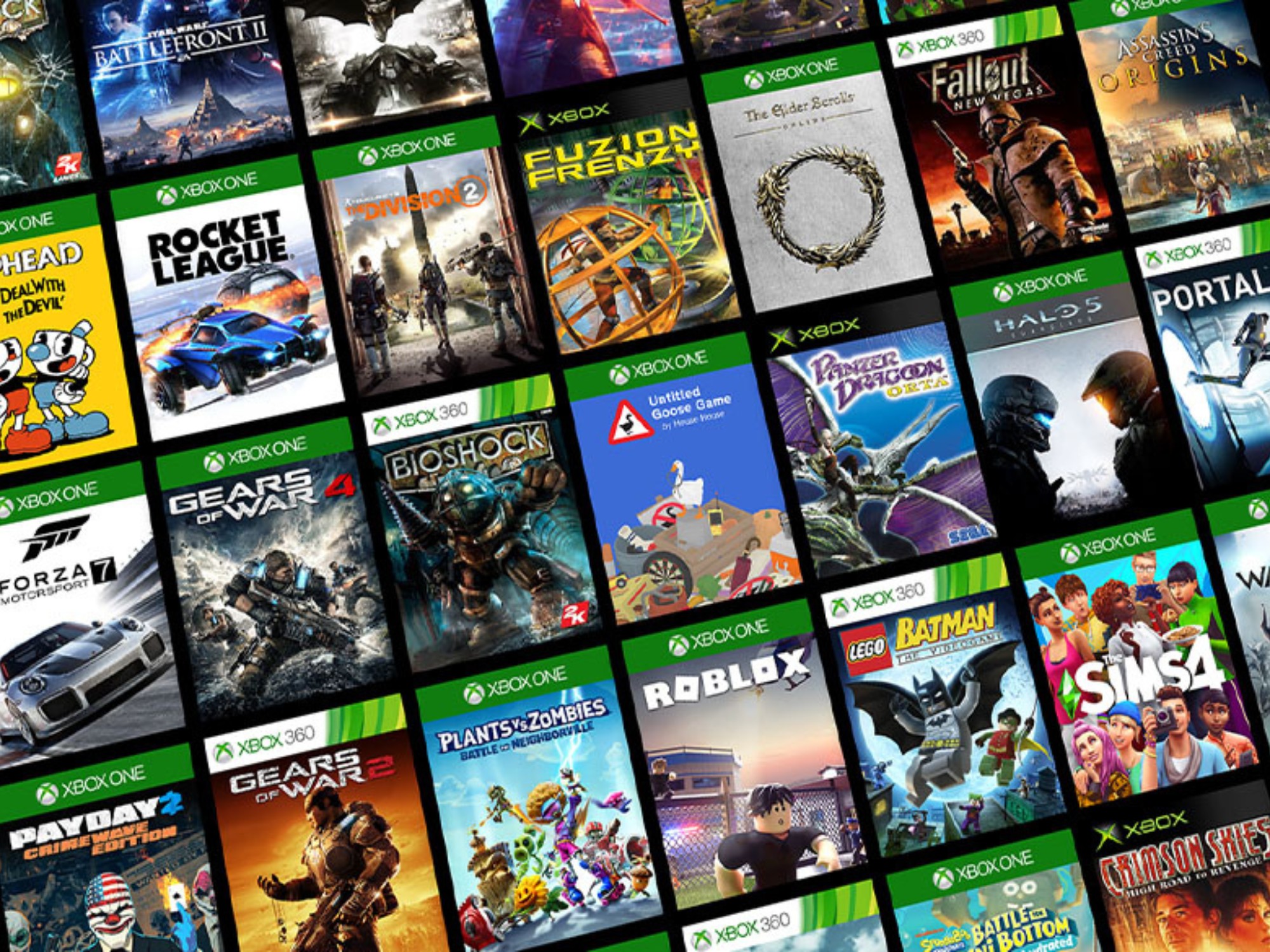
Xbox 360 Games on PC Could Be Closer Than Ever as Microsoft Expands Backward Compatibility
Microsoft recently caught Xbox fans off guard by quietly adding four original Xbox games to its PC app, allowing them to run locally on Windows without relying on cloud gaming. While that was a welcome surprise, many players are far more excited about a bigger possibility: native Xbox 360 games playable on PC.
That idea now seems more realistic after dataminers examined how Microsoft’s latest backward compatibility setup works. The discoveries suggest that the company may already have the technical foundation needed to bring more classic Xbox titles, including Xbox 360 games, to Windows PCs and gaming handhelds.
According to findings shared by the emulation and Xbox community, Microsoft appears to be using technology related to the Xbox 360 emulator found on Xbox One and Xbox Series X|S consoles. This emulator, often associated with the names XEO3 or Fission, is designed to help older Xbox games run on newer hardware.
What makes the discovery especially interesting is that this system reportedly contains another layer known as Fusion. That extra component appears to help original Xbox games boot through the Xbox 360 compatibility environment. In simple terms, Microsoft may be using an emulator inside another emulator to get classic Xbox titles running on Windows.
It sounds complicated, but the approach may be effective. Community testers have already found signs that the same framework could potentially support native Xbox 360 games on Windows with further development and refinement.
Some independent developers have also experimented with the newly discovered code. The team behind XWine1, a third-party Xbox One compatibility layer for PC, reportedly integrated parts of the Fission code into their own project. As a result, games such as Plants vs. Zombies have been shown booting successfully on PC. Other original Xbox games that are not yet officially available through Microsoft’s PC app have also reportedly worked after similar modifications.
For players, this raises an exciting question: could Microsoft be preparing to bring a larger Xbox 360 library to PC?
The company has already said it wants to improve backward compatibility across PCs and handheld gaming devices. With the rise of Windows-based handhelds and growing interest in portable PC gaming, adding Xbox 360 support would make a lot of sense. The Xbox 360 library includes many beloved titles that are still difficult to play on modern PCs without unofficial tools or original hardware.
However, even if the technology is already functional, fans may still need to be patient. Microsoft cannot simply release every Xbox 360 game at once. Each title would likely need testing to ensure it runs properly on a wide range of Windows devices, including desktops, laptops, and handheld PCs.
Licensing may be an even bigger challenge. Many older Xbox 360 games include music, branding, licensed characters, vehicles, or other third-party content. Some publishers have changed ownership, gone out of business, or lost rights to parts of their games. That means Microsoft may need to renegotiate permissions before certain titles can return.
The delayed arrival of Tony Hawk’s Pro Skater 1+2 on Game Pass highlighted how complicated music and licensing rights can become, even for more recent releases. For Xbox 360 games, those issues could be even more difficult depending on the title.
Still, the recent discoveries give fans plenty of reason to be optimistic. Microsoft already has a proven backward compatibility system on Xbox consoles, and the appearance of similar technology inside the PC app suggests the company may be exploring a broader future for classic Xbox games on Windows.
If Xbox 360 support does arrive on PC, it could be a major win for preservation, Game Pass, and players who want easier access to older favorites. For now, Microsoft has not confirmed which classic games are coming next, but the groundwork appears to be there.
For Xbox fans hoping to replay their favorite Xbox 360 games on PC without streaming, the future is starting to look much more promising.