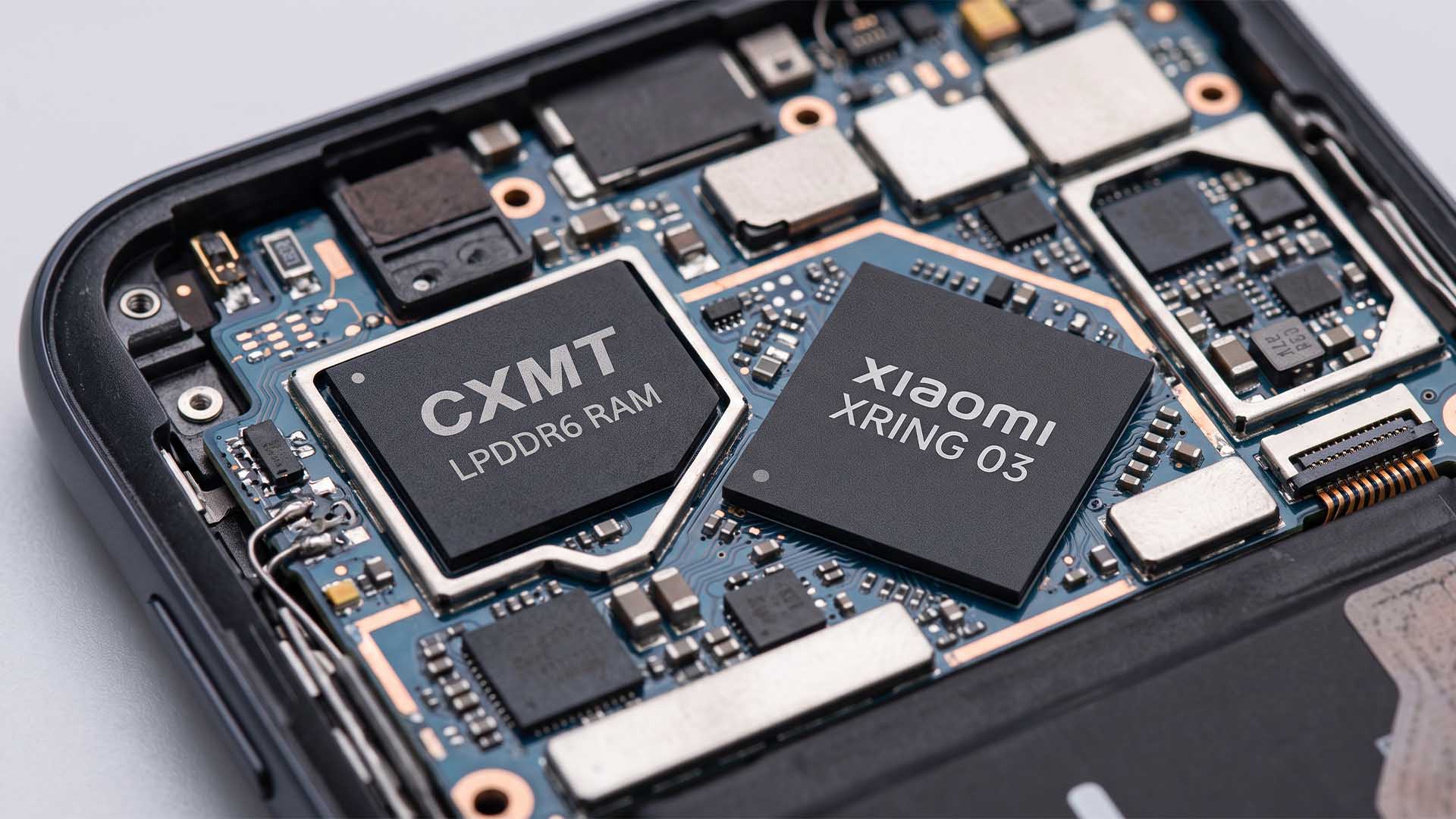
CXMT DRAM Production Could Nearly Double by 2028 as AI Memory Demand Reshapes the Market
China’s memory chip industry may be heading for a major capacity boost, with CXMT expected to significantly expand its DRAM wafer output over the next two years. New market research indicates that the company could raise monthly DRAM production from around 320,000 wafers today to as many as 600,000 wafers per month by the end of 2028.
That would represent a major leap for CXMT and could strengthen China’s position in the global memory semiconductor market, particularly in general-purpose DRAM used across smartphones, PCs, tablets, servers, and other consumer electronics.
The projected expansion comes at a time when the global DRAM industry is under pressure. Demand for high bandwidth memory, better known as HBM, has surged due to the rapid growth of artificial intelligence hardware. AI accelerators and advanced data center chips depend heavily on HBM because it delivers the high speed and bandwidth required for large-scale AI workloads.
Major memory producers such as Samsung, SK hynix, and Micron have increasingly shifted focus toward HBM production. However, HBM is far more complex to manufacture than conventional DRAM. It requires multiple DRAM dies to be stacked and bonded together with advanced packaging technologies, while still maintaining performance, efficiency, and reliability.
This shift has tightened supply in other areas of the memory market. As leading manufacturers prioritize HBM for AI chips, general-purpose DRAM availability has become more important for device makers that rely on stable memory supply and competitive pricing.
CXMT appears to be moving directly into that opportunity.
According to research from TrendForce and Counterpoint Research, CXMT’s monthly DRAM wafer capacity could climb to about 420,000 wafers in 2027. That would mark a 31% increase from its current estimated level. By 2028, capacity could rise again to approximately 600,000 wafers per month, an 87.5% jump from today’s production base.
A key part of this expansion is expected to come from new manufacturing investments, including a planned facility in Beijing. Earlier reports have also indicated that CXMT has been seeking government support for its chip production ambitions, a move that aligns with China’s broader goal of strengthening its domestic semiconductor supply chain.
Unlike HBM-focused manufacturers, CXMT is expected to concentrate mainly on mainstream DRAM products. This could make the company increasingly important for the consumer electronics sector, where memory chips remain essential for everyday devices.
The timing is important. Consumer electronics companies have been dealing with higher memory costs and tighter supply conditions as the market adjusts to the AI-driven HBM boom. If CXMT can scale production as expected, it may become a more influential supplier for brands looking to secure DRAM for products sold in China and potentially beyond.
Apple has frequently been mentioned in industry discussions surrounding CXMT’s growing role. The company is believed to be interested in sourcing memory chips from CXMT for products targeting the Chinese market. However, reports suggest that pricing negotiations may not be simple.
CXMT is reportedly taking a firm stance on memory pricing. While Apple is said to have requested a discount, CXMT reportedly declined and quoted prices comparable to, or even higher than, those offered by established global memory suppliers such as Samsung.
That reflects a changing market dynamic. As DRAM supply remains tight and demand stays strong, emerging manufacturers with meaningful capacity may have greater pricing power than before.
If CXMT reaches 600,000 wafers per month by 2028, it could become a much larger force in the global DRAM supply chain. Its growth may not directly challenge the leading HBM producers in the most advanced AI memory segment, but it could reshape competition in general-purpose DRAM.
For the broader semiconductor industry, CXMT’s expansion highlights two major trends: the AI boom is pulling established memory giants toward high-margin HBM, and that shift is opening room for other players to scale in mainstream DRAM.
By 2028, CXMT could be positioned as one of the most important suppliers in China’s memory chip ecosystem, especially if demand from consumer electronics brands remains strong and global DRAM supply continues to face pressure.