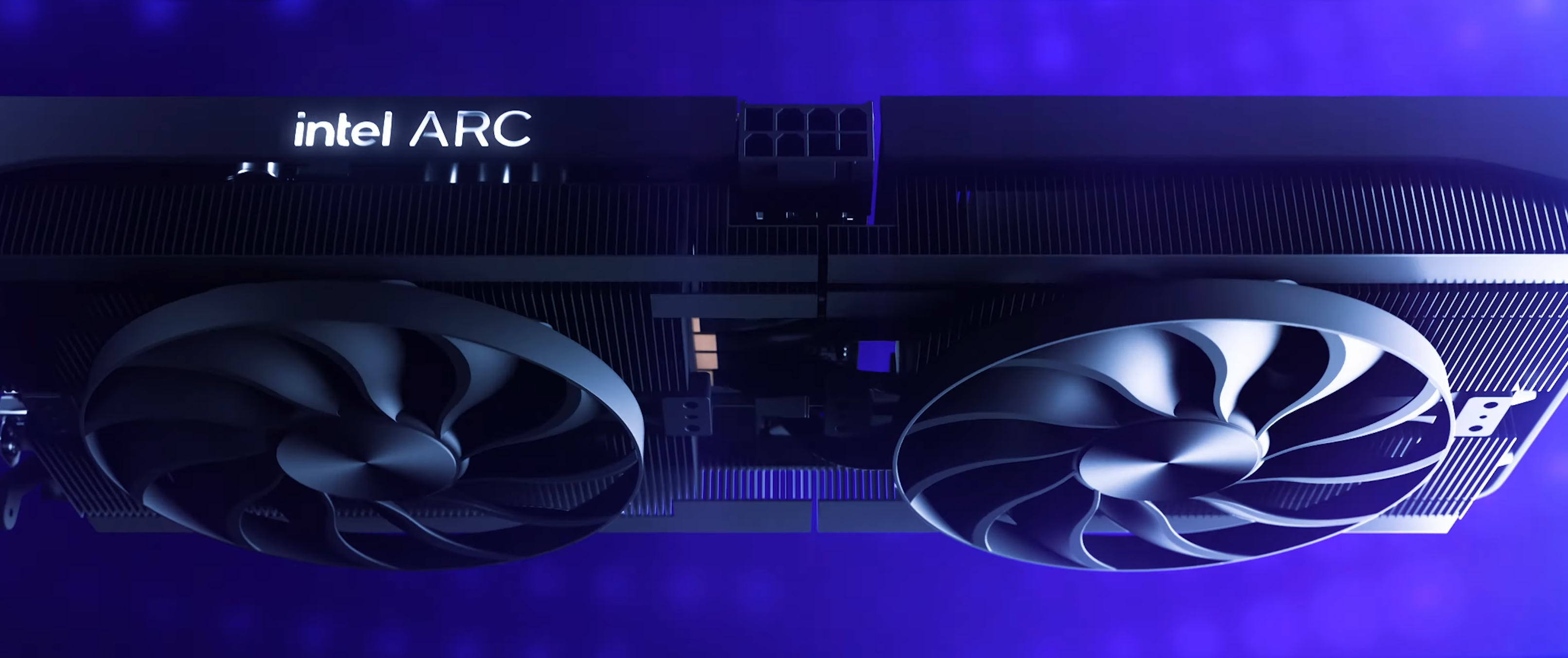
Excitement is building in the tech community as Intel’s upcoming GPU, the Arc B570, is making waves ahead of its official launch scheduled for January 15th. With the spotlight on Intel’s latest entry in the Battlemage lineup—acclaimed for utilizing the advanced Xe2-HPG architecture—anticipation is reaching a fever pitch. One eagle-eyed enthusiast caught a glimpse of the Arc B570’s power on Geekbench, drawing early comparisons with its higher-specced sibling, the Arc B580.
Intel has been strategic in its timing; shortly after the December 2024 release of the Arc B580, the tech giant is now set to introduce the Arc B570. This move offers customers a more budget-conscious option in the Battlemage range. The Arc B570 promises a compelling choice for those who can trade-off a bit of performance for a lower price. As per the Geekbench OpenCL test, the Arc B570 registers around 86,716 points, making it about 12% slower than the Arc B580, which typically scores between 95,000 and 100,000 points.
Spec-wise, the Arc B570 showcases 144 Compute Units alongside a boost clock that reaches up to 2.75 GHz—marking the first revelation of this enhanced capability, likely due to a custom AIB edition. It’s coupled with 10 GB of GDDR6 memory on a 160-bit bus. While these features may not match the B580’s more robust specs, including its 192-bit memory bus or higher-bandwidth figures, the B570 remains a formidable player by optimizing its 272 mm² BMG-G21 die design.
What makes the Arc B570 intriguing is how it retains notable performance while offering cost savings. With an expected launch price of $219 for its limited edition, this GPU will also see variations from Intel’s board partners, likely priced somewhat higher. This pricing positions it as an enticing prospect for mainstream gamers and tech enthusiasts, even if those needing top-tier performance might still lean toward the B580.
As more benchmarks are anticipated post-launch, many will watch closely to see whether the Arc B570 carves out its niche in the market and whether it stands true to its promise of delivering significant value at a lower price point. With Intel sustaining its devotion to discrete GPUs, the future looks promising for gamers and PC builders eager to see what Intel rolls out next in the ever-evolving landscape of graphics technology.


