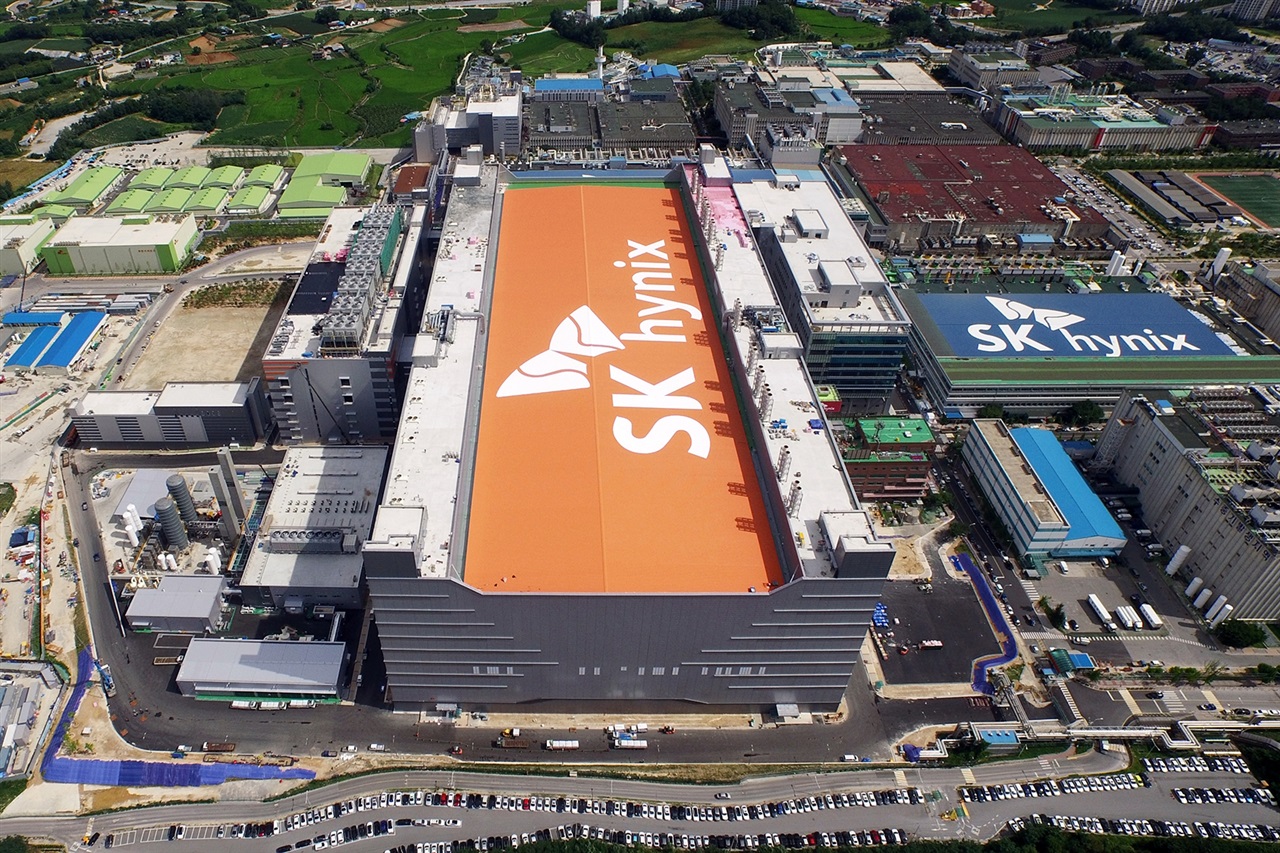
South Korea’s export engine is once again being powered by semiconductors, with chips accounting for nearly half of the country’s outbound shipments during the first 20 days of September.
The latest trade figures highlight just how central the semiconductor industry has become to South Korea’s economy. Memory chips, advanced processors, and related components continue to drive export growth as global demand for artificial intelligence hardware, data center equipment, smartphones, and consumer electronics remains strong.
The numbers also point to a notable concentration in regional demand. In August, China and Hong Kong together received more than half of South Korea’s chip exports, showing that the country’s semiconductor trade remains heavily tied to major Asian technology supply chains. These markets serve as critical hubs for electronics manufacturing, assembly, and re-export activity, making them key destinations for South Korean chipmakers.
South Korea is home to some of the world’s most important semiconductor producers, and its export performance is often viewed as a signal for broader trends in the global technology sector. When chip exports rise, it can suggest stronger demand from device makers, cloud infrastructure companies, and manufacturers preparing for new product cycles.
The strong share of semiconductors in September’s early export data also reflects the growing importance of high-value technology products compared with traditional export categories. While automobiles, ships, petrochemicals, and machinery remain important to South Korea’s trade balance, chips have become the standout driver of the country’s overseas sales.
However, the growing dependence on semiconductors also brings risks. A heavy reliance on a single industry can expose the economy to shifts in global demand, pricing cycles, supply chain disruptions, and geopolitical tensions. The concentration of chip shipments to China and Hong Kong adds another layer of sensitivity, especially as global technology trade faces increasing scrutiny and competition.
Even so, the latest export data reinforces South Korea’s position as a global semiconductor powerhouse. As artificial intelligence, advanced computing, and connected devices continue to expand, demand for high-performance chips is expected to remain a major factor shaping the country’s trade outlook.
For now, semiconductors are not just one part of South Korea’s export story. They are close to becoming the headline.