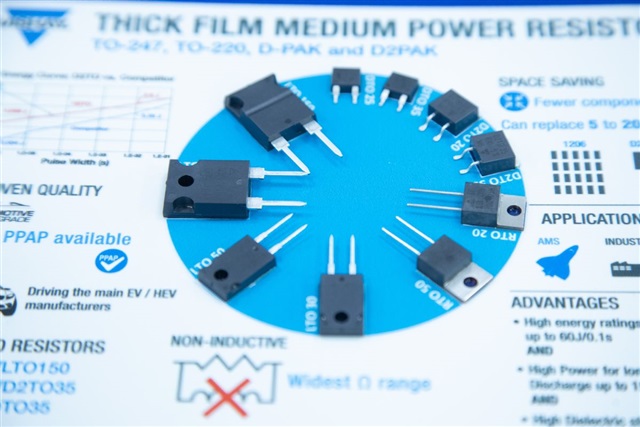
Chinese chip resistor manufacturers are pulling back production sharply as the industry wrestles with a stubborn supply glut, a move that signals just how intense price pressure has become across the passive components market.
According to the latest industry chatter, a number of Chinese chip resistor makers have reduced output anywhere from 10% to as much as 60% in an effort to curb excess inventory and stabilize pricing. Chip resistors are small but essential parts used in everything from smartphones and laptops to cars, industrial equipment, and networking hardware. When supply runs ahead of demand, the entire electronics supply chain can feel the impact, often through falling component prices and delayed order recoveries.
However, the production pullback isn’t uniform across the market, and that’s a key reason a faster rebound may still be out of reach. Major manufacturers have reportedly not joined in with significant cuts, which means a large portion of overall capacity remains active. As long as the biggest players keep production relatively steady, the oversupply problem may ease only slowly, keeping inventories elevated and limiting how quickly chip resistor pricing can recover.
From the perspective of Taiwanese suppliers, the outlook is cautious but not bleak. The expectation is that conditions will gradually improve, with more meaningful normalization likely arriving toward the end of 2026. That timeline suggests the industry may need several more quarters for stock levels to clear and for production discipline to spread more broadly across manufacturers.
For buyers of electronics components, the current environment could continue to offer favorable pricing in the near term. For manufacturers, though, the message is clear: production cuts alone won’t fix oversupply unless they’re widespread enough to materially reduce total market output. Until then, the chip resistor sector may remain stuck in a slower recovery cycle, with the most noticeable improvements still some distance away.