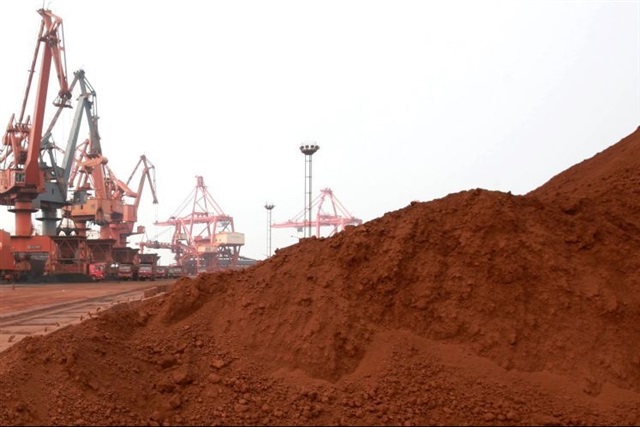
China’s rare earth supply chain is back in the spotlight after a deadly explosion disrupted operations at a major industrial facility in Inner Mongolia, a region central to the country’s rare earth ecosystem. The incident occurred at a steel plate plant run by Inner Mongolia Baotou Steel Union, and it has amplified existing concerns about stability across an industry already under pressure from shrinking export volumes and stricter trade oversight.
Rare earth elements are essential for many of today’s most in-demand technologies. They play a critical role in manufacturing electric vehicle motors, wind turbines, high-performance magnets, consumer electronics, medical devices, and a wide range of defense and aerospace components. Because global supply is heavily concentrated in China, even localized disruptions can ripple through international markets, affecting prices, procurement decisions, and production schedules far beyond the region where the incident occurred.
The timing is especially sensitive. Market watchers have already been tracking signs of softening exports, which can tighten supply for overseas buyers even without physical disruptions. Add to that tighter trade controls, and concerns grow that availability could become less predictable. When supply chains are already strained, an unexpected event like a factory explosion can quickly shift sentiment, prompting buyers to reassess risk and potentially accelerate stockpiling or seek alternative sourcing.
Inner Mongolia, including the Baotou industrial hub, has long been tied to rare earth production and processing networks. While the explosion took place at a steel plate plant, industrial clusters often share logistics, utilities, labor pools, and transport infrastructure. Any interruption in a major facility can create indirect bottlenecks—through safety inspections, temporary shutdowns, or broader operational slowdowns—adding another layer of uncertainty for manufacturers and traders.
For businesses dependent on rare earth materials and related components, the key takeaway is growing volatility. Companies may respond by diversifying suppliers, increasing inventory buffers, or adjusting contract terms to account for potential delays and price swings. Policymakers and industry leaders outside China are also likely to renew efforts to expand domestic mining and processing capacity, invest in recycling, and secure long-term supply agreements.
With exports already declining and trade controls tightening, this latest disruption reinforces a central reality of the rare earth market: supply risk remains high, and even a single incident can intensify global concern about availability, pricing, and long-term stability.