China’s Graduate Job Market Is Moving From Software to Chips, Materials, and Advanced Manufacturing
China’s job market for fresh graduates is undergoing a major shift, and the change says a lot about where the country’s technology ambitions are heading next. For years, computer science and software engineering were seen as some of the most reliable paths to high-paying careers. Now, new salary trends suggest that graduates entering semiconductors, materials science, and advanced manufacturing are gaining stronger momentum.
This shift is closely tied to China’s push to build a more self-reliant technology ecosystem. As artificial intelligence becomes more important across industries, demand is rising not only for software talent, but also for the hardware, chips, rare earth materials, and manufacturing systems that make AI possible. The result is a changing employment landscape where engineers with expertise in physical technologies are becoming increasingly valuable.
Semiconductors are at the center of this transformation. Chips are essential for everything from smartphones and electric vehicles to data centers, robotics, and AI systems. As China works to strengthen its domestic chip industry, companies are competing for graduates who understand chip design, microelectronics, manufacturing processes, and related engineering fields.
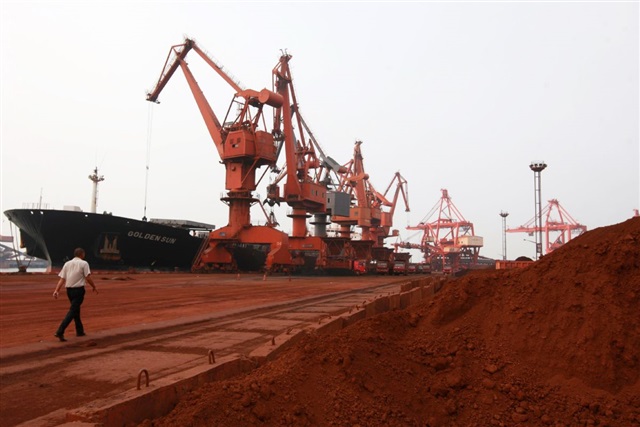
Materials science is also becoming a key area of opportunity. Advanced materials are critical for batteries, renewable energy, aerospace, electric vehicles, and semiconductor production. Rare earth elements, in particular, play an important role in high-performance magnets, electronics, defense technologies, and clean energy systems. Graduates with knowledge in these fields are increasingly seen as strategically important.
Manufacturing is another sector gaining new appeal. While traditional manufacturing was once viewed as less attractive than internet and software jobs, advanced manufacturing is now linked to automation, robotics, smart factories, precision equipment, and industrial AI. These areas require skilled engineers who can connect digital systems with real-world production.
The cooling enthusiasm around computer science and software engineering does not mean these fields are no longer valuable. Software talent remains essential, especially in artificial intelligence, cloud computing, cybersecurity, and enterprise technology. However, the salary data indicate that the strongest growth in graduate demand is increasingly spreading into areas that support the physical foundation of modern technology.
This trend has global implications. China’s focus on semiconductors, critical minerals, and advanced manufacturing could affect international supply chains, competition in AI hardware, and the future of high-tech production. As countries race to secure access to chips and rare earth materials, the talent pipeline is becoming just as important as factories, mines, and research labs.
For students and young professionals, the message is clear: the next wave of high-value tech careers may not be limited to coding and app development. Skills in electronics, materials engineering, industrial automation, chip manufacturing, and energy technologies are becoming increasingly attractive in a market shaped by national priorities and global competition.
China’s graduate employment trends highlight a broader change in the technology world. The future of innovation will depend not only on software, but also on the physical systems that power it. From AI chips to rare earth materials and smart factories, the race for talent is moving deeper into the industries that form the backbone of the digital economy.