China’s AI Smartphone Race Heats Up as ZTE Nubia, StepFun and Honor Push Agentic AI
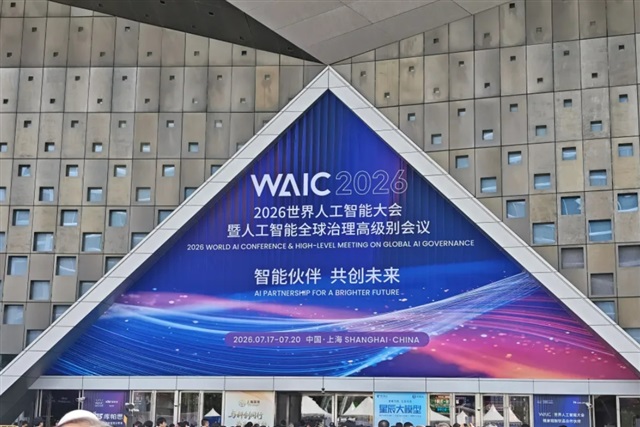
China’s smartphone market is entering a new phase, and the next big battleground is no longer just camera quality, battery life or charging speed. At 2026 WAIC, leading players including ZTE’s Nubia, StepFun and Honor highlighted a major shift toward agentic AI, a form of artificial intelligence designed to do more than respond to commands. Instead, it can understand goals, plan tasks, coordinate multiple apps and manage personal data in a more intelligent way.
This new direction could reshape how people use smartphones. Rather than opening separate apps for messaging, travel, shopping, scheduling or payments, future AI phones may be able to handle multi-step requests with minimal user input. For example, a user could ask the phone to plan a weekend trip, and the AI assistant might compare routes, check calendars, suggest hotels, estimate costs and prepare a travel plan across different services.
ZTE’s Nubia, StepFun and Honor are all moving toward this future, but each appears to be approaching it from a different angle. Nubia is building on its smartphone hardware experience, aiming to bring AI deeper into the device experience. StepFun, known for its focus on artificial intelligence technology, is likely to emphasize the intelligence layer that powers planning and decision-making. Honor, meanwhile, has been pushing AI as a core part of the user experience, with a focus on making smartphones feel more personalized, proactive and helpful.
The rise of agentic AI in smartphones reflects a broader change in the mobile industry. For years, phone makers competed by offering better displays, faster processors and stronger camera systems. Those features still matter, but the market is becoming mature. Many users now keep their phones longer, and hardware upgrades alone are not always enough to encourage new purchases. AI gives brands a fresh way to stand out.
One of the biggest promises of agentic AI is app coordination. Today, users often jump between multiple apps to complete a single task. An AI-powered phone could reduce that friction by acting as a smart organizer behind the scenes. It may be able to understand what the user wants, choose the right apps, move information between them and complete actions more efficiently.
Personal data processing is another key part of the race. Smartphones contain calendars, contacts, messages, photos, location history, health information and payment details. If AI can process this data securely and intelligently, it could deliver highly personalized assistance. However, this also raises important questions about privacy, permissions and data protection. The companies that win user trust may have a major advantage.
China’s smartphone brands are moving quickly because AI is becoming central to the future of consumer electronics. Agentic AI could turn the phone from a passive tool into an active digital companion. Instead of waiting for every tap and swipe, the phone may begin to anticipate needs, recommend actions and complete tasks on behalf of the user.
The competition between ZTE Nubia, StepFun and Honor shows that there is no single path to the AI smartphone. Some companies may focus on device-level AI that runs locally for speed and privacy. Others may rely on cloud-based intelligence for more complex reasoning. Some may prioritize productivity, while others may focus on lifestyle, entertainment or personal assistance.
What is clear is that AI smartphones are becoming one of the most important trends in China’s tech industry. As agentic AI becomes more advanced, consumers can expect phones that are not only faster and more powerful, but also more capable of understanding real-world needs.
The next generation of smartphones may not be defined by the number of cameras or the size of the battery. It may be defined by how well the device can think, plan and act. For China’s smartphone makers, that shift could open a new era of growth and competition.