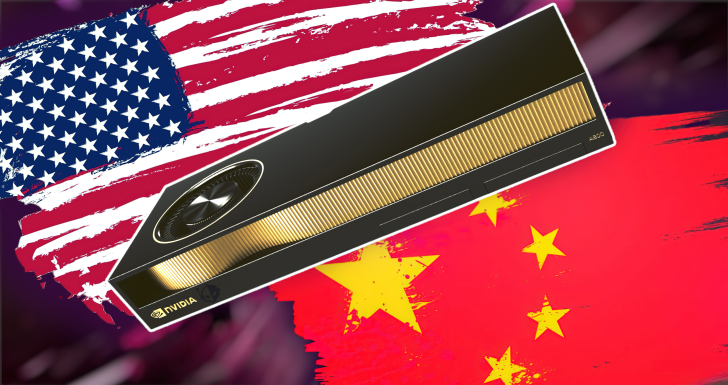
China is taking proactive steps to encourage AI startups to minimize their reliance on NVIDIA AI chips, aiming to lessen the impact of US policies on local markets. This move comes as part of broader efforts to boost domestic production of AI computing power.
The US Biden administration has been actively working to curb the growth of China’s AI industry by implementing strict semiconductor export policies and restricting access to high-end AI hardware. Despite China finding various workarounds—like GPU renting and even leveraging black markets—major AI enterprises such as ByteDance and Alibaba have faced significant setbacks due to these limitations. This has created challenges not just for businesses but also for governmental tech advancements.
In this context, Chinese regulators are now reportedly advising AI startups to stop purchasing NVIDIA’s H20 AI accelerators. The rationale is that a potential future ban on these products could create additional hurdles for the industry. By encouraging startups to shift towards domestic solutions, China aims to foster an AI ecosystem less dependent on Western technology.
This recommendation aligns with previous reports suggesting that the US government might ban the export of NVIDIA’s H20 AI GPUs to China, despite these being initially deemed “China-compliant.” The Biden administration has already banned several NVIDIA accelerators and equipment models like the A100s and H100s, creating a tough environment for Chinese AI markets.
In response, companies such as Huawei and Birentech have stepped up with their in-house solutions, which have started to gain traction in the market. However, the dependency on NVIDIA remains substantial. Considering China accounted for about 12% of NVIDIA’s quarterly revenue—roughly $3.7 billion—the region’s importance cannot be overstated.
As the situation evolves, NVIDIA may need to continually revise its products to stay compliant with changing policies or risk losing a significant portion of their business in China. This evolving landscape underscores the ongoing tech tensions and the efforts by China to strengthen its domestic AI capabilities.