In a bold response to the Trump administration’s escalation of tariffs on Chinese goods, the China Film Administration has decided to slash the number of American films allowed in its theaters. This move comes after tariffs on Chinese imports were increased by a staggering 125%, while other nations received a temporary reprieve.
China, clearly perturbed by these developments, had previously retaliated by imposing heightened tariffs on American imports, at a rate of 84%. Adding Hollywood films to the list of affected goods marks an expansion of China’s strategic countermeasures.
Hollywood is acutely aware of this development, as China stands as the second-largest and immensely lucrative market for its films. This reduction in American movie screenings is expected to hit hard, affecting the financial performance of blockbuster releases. It may also encourage Hollywood producers to re-evaluate the extent of censorship they impose on their creative teams to accommodate Chinese market demands.
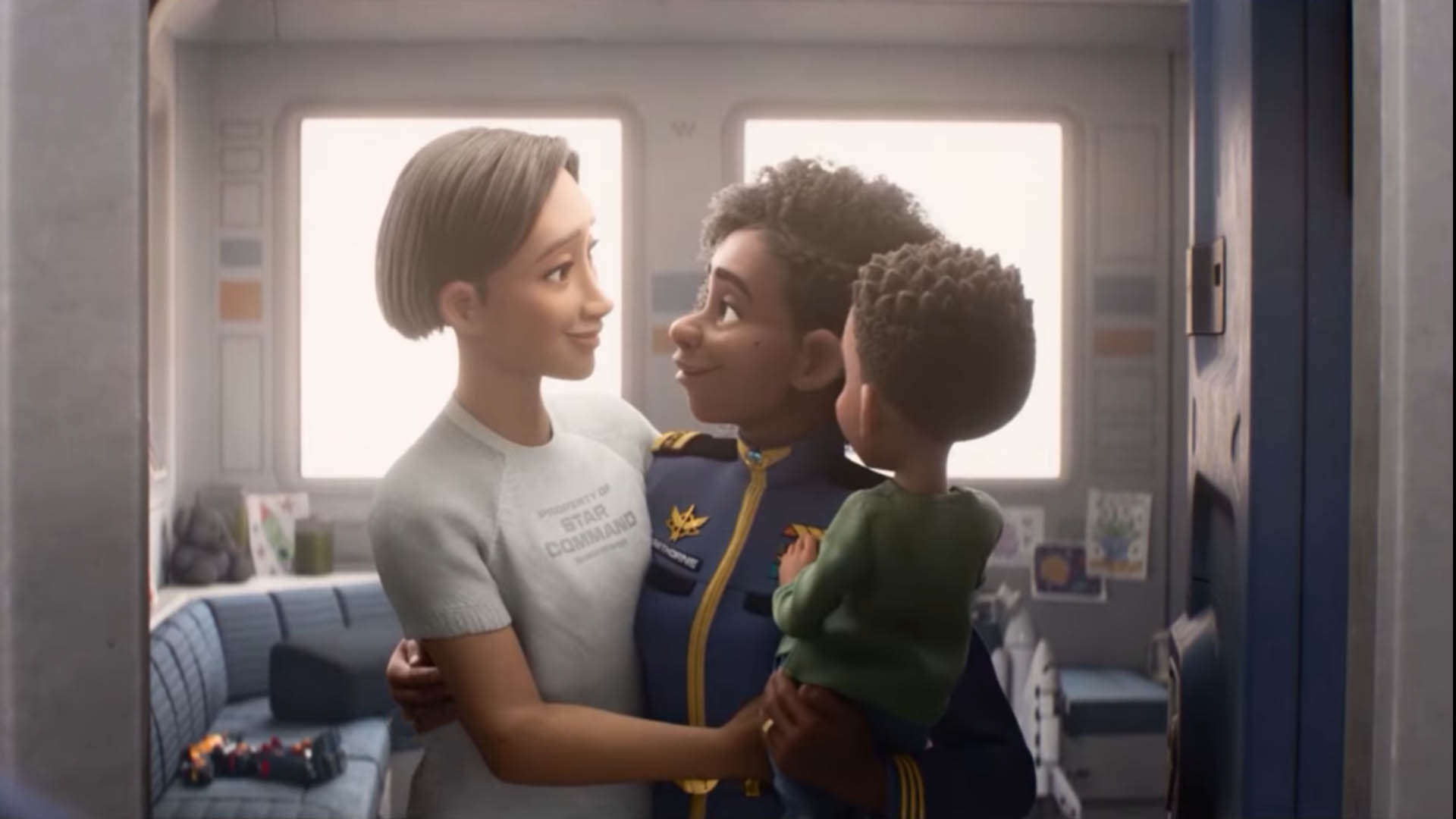
Censorship in China has long been a contentious issue influencing the storytelling latitude in Hollywood. In 2016, new regulations targeted content deemed as promoting “Western lifestyles,” barring even relatively innocuous elements like cleavage, smoking, and positive portrayals of LGBT+ characters. Such restrictions have had tangible effects: Disney’s Pixar faced a ban on “Lightyear” due to a same-sex kiss, while Warner Brothers edited out a brief scene from “Secrets of Dumbledore” for similar reasons.
The demands of Chinese censorship extend beyond sexual themes, as demonstrated by the alterations in films like “Top Gun: Maverick,” which removed a Taiwanese flag, and “Doctor Strange,” which saw a Tibetan character being altered.
The impact of Chinese censorship isn’t restricted to American productions. Recently, anime from Japan has faced similar scrutiny, with themes of rebellion being targeted for adjustment by Chinese authorities.
While Hollywood may suffer financially from losing access to China’s vast audience, this situation also provides a silver lining. Screenwriters may feel more liberated, relieved from the pressing need to modify their scripts to satisfy the stringent demands of Chinese censors. This newfound creative freedom may usher in a fresh wave of unaltered storytelling, free from the burden of international trade politics, and offer global audiences unfiltered expressions of creativity.