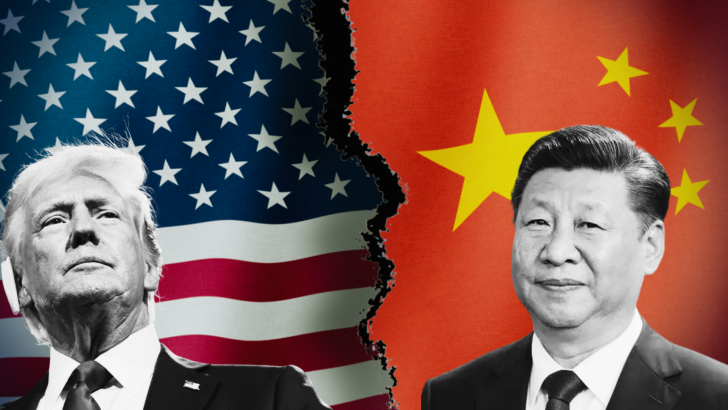
China is gearing up to counteract the effects of the US-imposed tariffs, known as “Trump tariffs,” by strategically focusing on boosting its domestic industries and reducing reliance on American products. With the looming trade tensions between the US and China, both nations are preparing to implement policies that could significantly alter their economic landscapes. As Donald Trump prepares to take office, his tariff policies have been widely discussed, and China appears to be preparing to respond in kind by prioritizing domestic production.
A recent report suggests that the Chinese Ministry of Finance is considering a proposal that would give a 20% price advantage to products manufactured within China for government use. This initiative aims to support local production by ensuring that these goods are preferred in official government procurement processes. However, it’s important to note that this discount will only apply to government purchases, meaning everyday consumers won’t directly feel this impact.
For a product to qualify for this government procurement priority, it must adhere to three specific criteria. Firstly, the product must be produced in China, involving substantial transformation from raw materials to finished goods, beyond mere labeling or simple packaging. Secondly, a significant portion of the product’s components must be manufactured within China, with costs meeting a predetermined threshold that will vary with each product. Lastly, for particular items, key components and production processes must occur within the country.
This policy primarily targets industrial production sectors, rather than consumer markets, which means its effects will be felt keenly by American companies like Intel, AMD, and NVIDIA that have extensively tapped into the Chinese market. Such a move is intended to foster domestic innovation and production, effectively diminishing the dominance of US products in China, and acting as a countermeasure to Trump’s tariff strategy.
While Chinese firms may not yet match the technological prowess of their US counterparts, the gap is closing. Companies like Huawei, SMIC, and Xiaomi have made substantial strides, achieving in some cases parity with US technology. This shift suggests that as local production scales up, the effectiveness of Trump’s tariff policies could be called into question.
Ultimately, these political maneuvers will inevitably influence end consumers, as changes in trade policies often trickle down to affect product availability and pricing, potentially resulting in increased costs for the average buyer. As the trade landscape evolves, the world will be watching closely to see how these measures impact global markets and whether China can effectively leverage domestic production to its advantage.