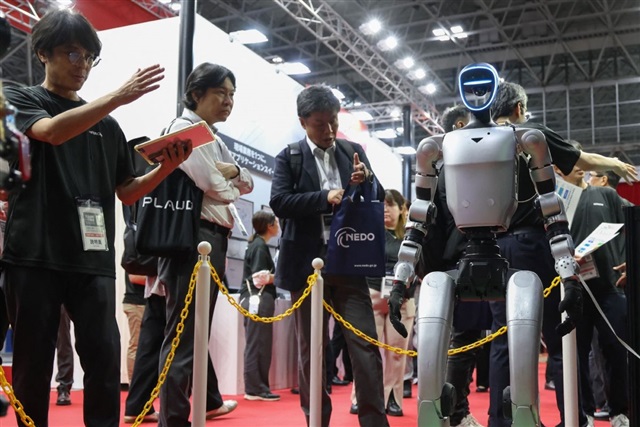
Japan’s CEATEC 2026 opened on October 13 at Makuhari Messe in Chiba, putting the spotlight on the next major phase of digital transformation: Physical AI. The four-day technology exhibition, running through October 16, brings together 821 companies and organizations from Japan and abroad to present the latest advances in artificial intelligence, smart infrastructure, robotics, connected devices, and disaster-prevention technology.
This year’s event shows how AI is quickly moving beyond chatbots and generative tools. Instead of only creating text, images, or software code, the newest AI systems are being designed to interact with the physical world. These technologies can guide robots, manage machinery, monitor public infrastructure, and support safer, more efficient daily life.
One of the biggest themes at CEATEC 2026 is Physical AI, a concept that connects artificial intelligence with real-world devices and environments. In practical terms, this means AI can help robots understand their surroundings, make decisions, and perform tasks with greater accuracy. It also allows connected systems to respond automatically to changing conditions in factories, cities, homes, and transportation networks.
Smart infrastructure maintenance is another major focus of the exhibition. As cities face aging roads, bridges, tunnels, and public facilities, AI-powered monitoring tools are becoming increasingly important. Sensors, cameras, and data-analysis platforms can help detect damage, predict maintenance needs, and reduce the risk of unexpected failures. These systems are expected to support safer urban management while lowering long-term repair costs.
Disaster prevention and emergency response technologies are also receiving strong attention. Japan’s exposure to earthquakes, typhoons, floods, and other natural disasters has made advanced simulation tools a key part of future planning. At CEATEC 2026, participating organizations are demonstrating how AI-driven simulations can forecast risks, improve evacuation planning, and support faster decision-making during emergencies.
The exhibition reflects a broader shift in the technology industry. AI is no longer being viewed only as a digital assistant or content-generation tool. It is becoming a core technology for controlling machines, improving infrastructure, strengthening disaster resilience, and building smarter communities.
With hundreds of exhibitors presenting new ideas and practical solutions, CEATEC 2026 is positioning itself as a major showcase for the future of connected society. The event highlights how artificial intelligence, robotics, and data-driven systems could reshape industries and everyday life in the years ahead.