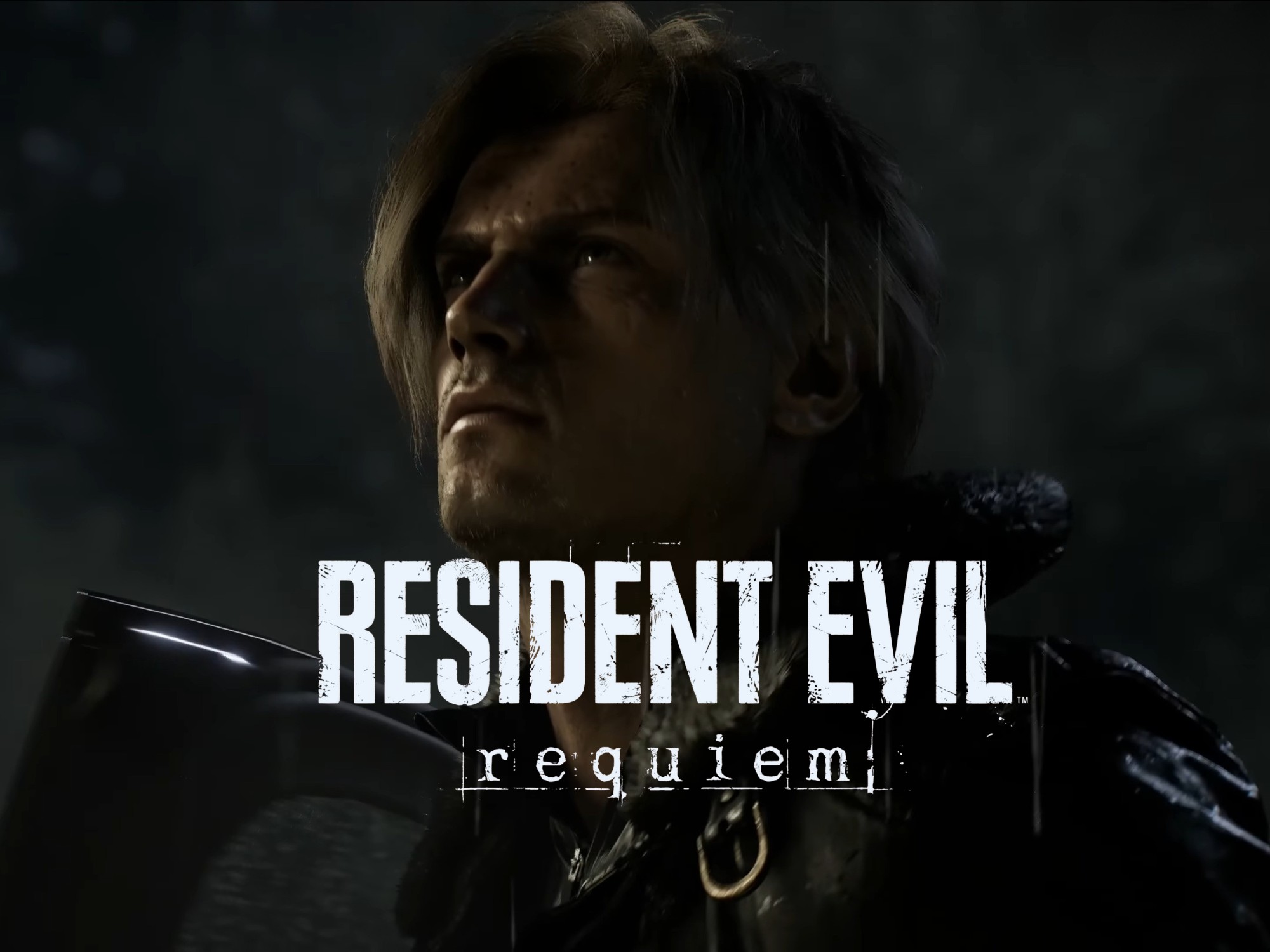
Some Resident Evil fans find one thing scarier than any bio-organic monster: the idea of AI-generated content creeping into their favorite survival horror series. With Resident Evil Requiem on the horizon, questions about generative AI in game development are growing louder—especially after earlier comments from Capcom representatives hinted that the company could be exploring these tools more seriously.
Now, Capcom executive Jun Takeuchi has offered a clearer look at where the publisher currently draws the line. While AI is becoming part of the modern game-making toolkit, Takeuchi emphasized that Capcom isn’t handing over the creative reins to machines.
What Jun Takeuchi says about AI and the future of Resident Evil
Takeuchi, a longtime figure in the franchise with producer credits on major entries like Resident Evil 5 and Resident Evil 7, recently discussed the series’ future in an interview that also touched on artificial intelligence. His message: AI can help, but it isn’t replacing the people who actually make Resident Evil what it is.
According to Takeuchi, AI tools can reduce development time in practical ways. He described them as useful for tasks like debugging, which can be time-consuming and expensive at blockbuster scale. He also pointed to AI’s potential to improve visuals more efficiently—helping developers refine scenes and raise overall graphical quality without forcing artists and engineers to redo every step manually.
At the same time, he cautioned against the idea that AI is taking over development at Capcom. Even if these tools are increasingly helpful during parts of the creative workflow, the company’s position is that humans remain in control of the final creative decisions.
Why fans are still uneasy about generative AI in AAA games
Even with that reassurance, some players remain concerned. The anxiety isn’t really about AI being used as a productivity tool—it’s about the fear that big-budget games could start feeling generic if studios lean too heavily on machine-generated assets.
That concern gained traction after earlier comments from Capcom technical director Kazuki Abe, who appeared more open to generative AI as a way to accelerate design work. For fans who care deeply about handcrafted environments, memorable visual storytelling, and distinctive art direction, the thought of “good enough” AI outputs replacing intentional design choices is a real worry.
How generative AI is reportedly being used behind the scenes
Abe previously explained that Capcom developers have experimented with generative AI to brainstorm massive volumes of ideas—reportedly producing “hundreds of thousands of unique ideas.” In that workflow, AI can help populate game environments with everyday objects that are necessary but tedious to create one-by-one.
Think of background items like televisions and other common props. They don’t usually define the story, but they do fill rooms, hallways, and abandoned buildings—and in a game known for atmosphere, those details matter. Generative AI, in this context, is positioned as a way to speed up environment building so artists can spend more time on high-impact work.
Importantly, there’s no indication Capcom is using AI to invent major new characters or write Resident Evil storylines. For now, the use seems focused on support tasks—idea generation and production assistance—rather than replacing narrative direction or character design.
Resident Evil Requiem release date and what’s next for the series
Resident Evil Requiem is scheduled to launch on February 27, 2026. Alongside the AI discussion, Takeuchi also reiterated his interest in producing more Resident Evil remakes. Remakes have become a key part of the franchise’s momentum, helping longtime fans revisit classic entries while giving newer players a way to experience the broader storyline without feeling like they’ve missed too much history.
Whether AI becomes more prominent over time is still an open question. Tools that speed up development are hard for any large studio to ignore, especially as production costs climb. But based on Takeuchi’s comments, Capcom’s current direction suggests AI will remain a supporting tool—while the franchise’s core creative identity stays in human hands.