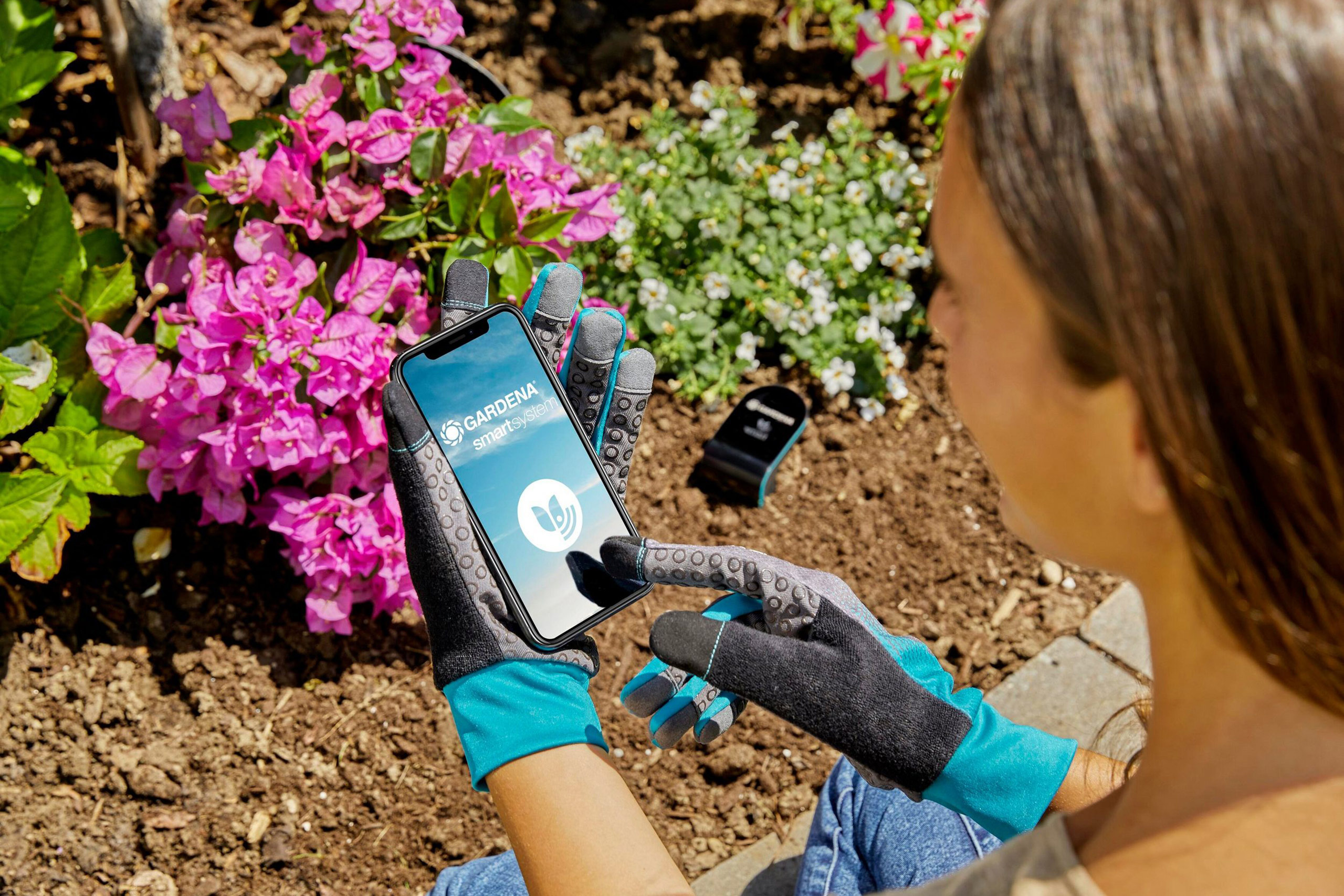
How Smart Is a Smart Irrigation Controller? What Garden Owners Should Know
A smart irrigation controller can make garden watering easier, more efficient, and far less wasteful. But not every device labeled “smart” is truly intelligent. Some models simply let you control a watering schedule from your phone, while more advanced systems can automatically adjust irrigation based on weather, soil moisture, plant needs, and even water flow problems.
Understanding the difference is important if you want a garden watering system that saves time, reduces water use, and protects your lawn, flower beds, or vegetable garden from underwatering or overwatering.
Many entry-level smart irrigation controllers fall into what could be called smartphone-controlled watering systems. These devices usually include a wireless connection such as Wi-Fi, Bluetooth, or ZigBee, allowing them to connect to your home network or mobile app.
In most cases, they work much like traditional irrigation timers. You set a watering schedule, choose the days and times, and the controller opens or closes the valve accordingly. The main advantage is convenience. Instead of walking to the tap or timer, you can adjust your irrigation schedule from your smartphone.
This can be useful if you are away from home and want to increase or reduce watering. For example, if you are on vacation and hear that your area is experiencing a heatwave, you can change the watering duration remotely. That is certainly more flexible than a basic mechanical timer.
However, this type of system still depends heavily on manual input. You are the one checking the weather, thinking about how dry the soil might be, and deciding whether the plants need more or less water. In other words, the controller is connected, but it is not truly making smart decisions on its own.
A genuinely intelligent irrigation system goes much further. Instead of simply following a fixed schedule, it can adjust watering automatically based on real conditions in the garden.
Advanced smart irrigation controllers can use weather forecasts, rainfall data, soil moisture sensors, temperature, sunlight, and humidity to determine when watering is actually needed. Some systems also factor in soil type, plant type, and solar radiation. This is important because different gardens have very different watering needs.
For example, tomatoes growing in sandy soil may need frequent watering because sandy soil drains quickly. A lawn growing in clay soil may retain moisture for much longer and need less irrigation. Plants in full sun lose more water through evaporation and transpiration than plants in shaded areas. A truly smart watering system takes these differences into account instead of applying the same schedule every day.
This is where evapotranspiration becomes an important concept. It describes the amount of water lost from the soil and plants due to evaporation and plant activity. By estimating this value, an intelligent irrigation controller can water more precisely, giving plants what they need without wasting water.
Depending on your preferences, there are different types of smart irrigation solutions. Some are designed for larger garden irrigation systems with multiple valves and zones. These are useful for lawns, vegetable gardens, hedges, and flower beds that all require different watering patterns.
Other devices are made for simpler setups and can be mounted directly on an outdoor tap. These are often ideal for smaller gardens, patios, raised beds, or hose-connected sprinkler systems.
The best smart irrigation controllers do more than just automate watering. Some include a built-in flow meter, which can detect unusual water behavior. This adds an important layer of protection.
For example, if a garden hose bursts, the system can notice that too much water is flowing and shut the valve automatically. If a pump suddenly stops delivering water, the controller can also detect the problem and send an alert to your smartphone. Instead of discovering a flooded garden or dried-out plants hours later, you get a warning quickly and can take action.
This kind of feature shows what truly smart garden irrigation is all about. It is not only about convenience. It is also about saving water, protecting your property, and keeping plants healthier with less effort.
When choosing a smart irrigation controller, it is worth asking a few key questions. Does it only allow app control, or can it make automatic watering decisions? Does it use weather data or soil moisture readings? Can it handle different irrigation zones? Does it support local control or require a closed app ecosystem? Can it detect leaks, broken hoses, or water supply problems?
A simple smartphone-controlled irrigation timer may be enough if you only want remote access to your watering schedule. But if your goal is efficient garden watering, lower water bills, and healthier plants, a truly intelligent irrigation system is the better choice.
In the end, the smartest irrigation controller is not the one with the most complicated app. It is the one that waters only when needed, adapts to your garden’s real conditions, and helps prevent problems before they become costly surprises.


