Calendly is moving beyond scheduling with a new AI note-taking tool designed to help busy professionals get more value from every meeting.
The company, best known for its meeting booking and calendar automation platform, is entering the fast-growing AI productivity market with a feature that can join meetings, record audio and video, create transcripts, summarize discussions, identify action items, and help draft follow-up emails.
The goal is simple: reduce the manual work that happens during and after meetings.
AI meeting notes have become one of the most competitive areas in workplace software. As more teams rely on video calls, companies are looking for smarter ways to capture decisions, track next steps, and keep projects moving without forcing employees to spend extra time writing summaries or chasing follow-ups.
Calendly’s new note-taking product is built around that same idea. Once added to a meeting, the assistant can listen to the conversation, generate a written record, and turn the discussion into useful next steps. The company is also testing a feature that can transcribe meetings using system audio, offering another way to capture conversations without relying only on a traditional meeting bot.
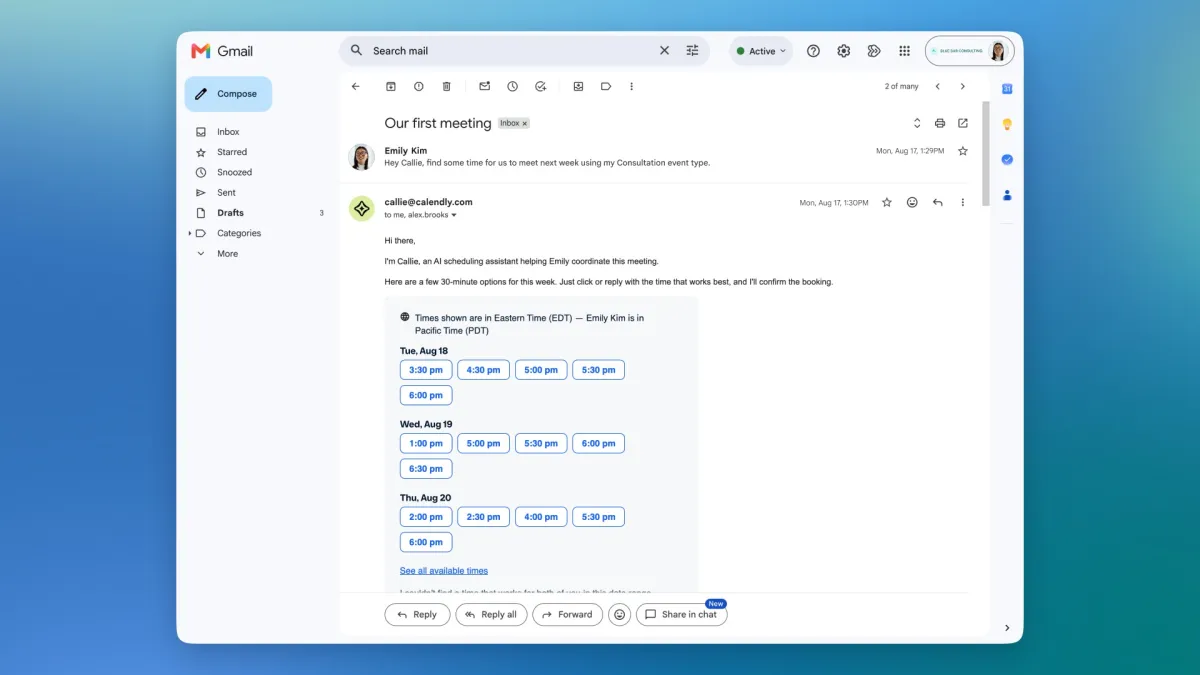
Calendly is also preparing to launch an AI assistant called Callie. This assistant is expected to work across Calendly’s existing scheduling and meeting tools, helping users arrange meetings, check availability, and bring up helpful context from previous conversations.
That could make Calendly more than just a tool for booking calls. With AI-powered meeting summaries and scheduling support, the platform could become a broader productivity hub for sales teams, marketing teams, recruiters, customer-facing roles, and other professionals who spend much of their day in meetings.
Calendly CEO Tope Awotona said the company is especially focused on helping users in outward-facing roles, where meetings often dominate the workday. These professionals may move from one call to another with little time to write notes, prepare follow-ups, or organize action items. Calendly’s AI tools are intended to automate more of that workflow.
The AI note-taking market is already crowded, with many apps offering transcription, meeting summaries, and automated follow-ups. Larger productivity platforms are also adding similar AI meeting assistant features to their software suites.
However, Calendly believes the biggest opportunity is not just recording meetings, but helping users act on what happens after the conversation ends. According to Awotona, many tools already do a good job of capturing and transcribing meetings, but the real productivity gains come from automating the tasks that follow.
That means Calendly’s AI note-taker may focus heavily on post-meeting workflows, such as sending recap emails, assigning action items, preparing next steps, and keeping future meetings connected to past conversations.
Privacy is another major issue in the AI meeting assistant space. Calendly says its note-taking tool is designed to clearly notify participants when a meeting is being recorded. The assistant can send a message in the meeting chat to announce that it is present and recording. Participants can also ask the assistant to leave the meeting.
Because Calendly is already connected to scheduling, it can also notify attendees before a meeting begins that the call may be recorded. That early notice could help make AI note-taking more transparent and reduce confusion during meetings.
With AI meeting notes, automated follow-ups, scheduling intelligence, and the upcoming Callie assistant, Calendly is positioning itself as a more complete workplace automation platform. For teams overwhelmed by back-to-back calls, the promise is clear: fewer manual notes, faster follow-ups, and a better way to turn conversations into action.