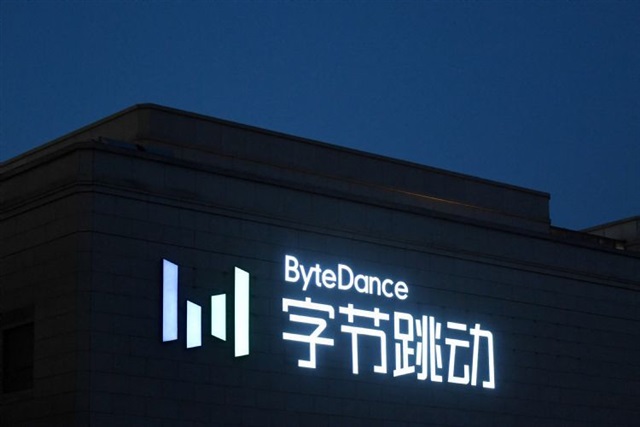
ByteDance, the Chinese tech giant behind some of the world’s most popular content platforms, is turning up the heat on its AI ambitions by going deeper into chip development. The company has reportedly expanded its in-house chip research and development group to more than 1,000 employees, a major milestone that signals how serious it is about building its own AI hardware stack.
The rapid growth of ByteDance’s chip team reflects a broader shift happening across the tech industry: companies that rely heavily on large-scale AI processing are increasingly exploring custom silicon to boost performance, control costs, and reduce reliance on third-party chip suppliers. For ByteDance, which operates massive recommendation systems and AI-driven products that demand enormous computing power, developing internal chips could become a strategic advantage in both speed and efficiency.
A recent report from Chinese outlet 36Kr suggests the company’s investment in AI chip technology is accelerating quickly. While details about specific products or chip names remain limited, the scale of the hiring and team expansion points to long-term plans rather than experimentation. A chip organization of this size typically indicates multiple parallel projects, including architecture research, design, verification, software tooling, and deployment support—key ingredients for creating competitive AI accelerators.
This move also highlights how AI hardware has become a central battleground for future innovation. As AI models grow larger and more demanding, the companies that can optimize hardware and software together often gain a meaningful edge. ByteDance’s expansion into chip design may help it improve AI training and inference efficiency, support new AI features, and strengthen its ability to scale products globally under increasingly competitive conditions.
With its chip R&D team now surpassing 1,000 employees, ByteDance is clearly positioning itself as more than just a software and services powerhouse. It’s making a bold push into AI chip development—one that could reshape how it powers its platforms and how it competes in the next phase of the AI era.


