BYD Dominates China’s NEV Market as Xiaomi Climbs Back and Tesla Slips in Rankings
China’s new energy vehicle market is changing fast, and the latest sales figures show just how intense the competition has become. BYD continues to lead the country’s NEV race by a wide margin, Xiaomi is gaining fresh momentum, and Tesla has lost ground in one of the world’s most important electric vehicle markets.
From January to October, BYD recorded 1.945 million new energy vehicle sales in China, securing its position at the top of the rankings. The company remains the strongest player in the domestic EV and plug-in hybrid market, supported by a broad vehicle lineup, competitive pricing, and strong demand across multiple segments.
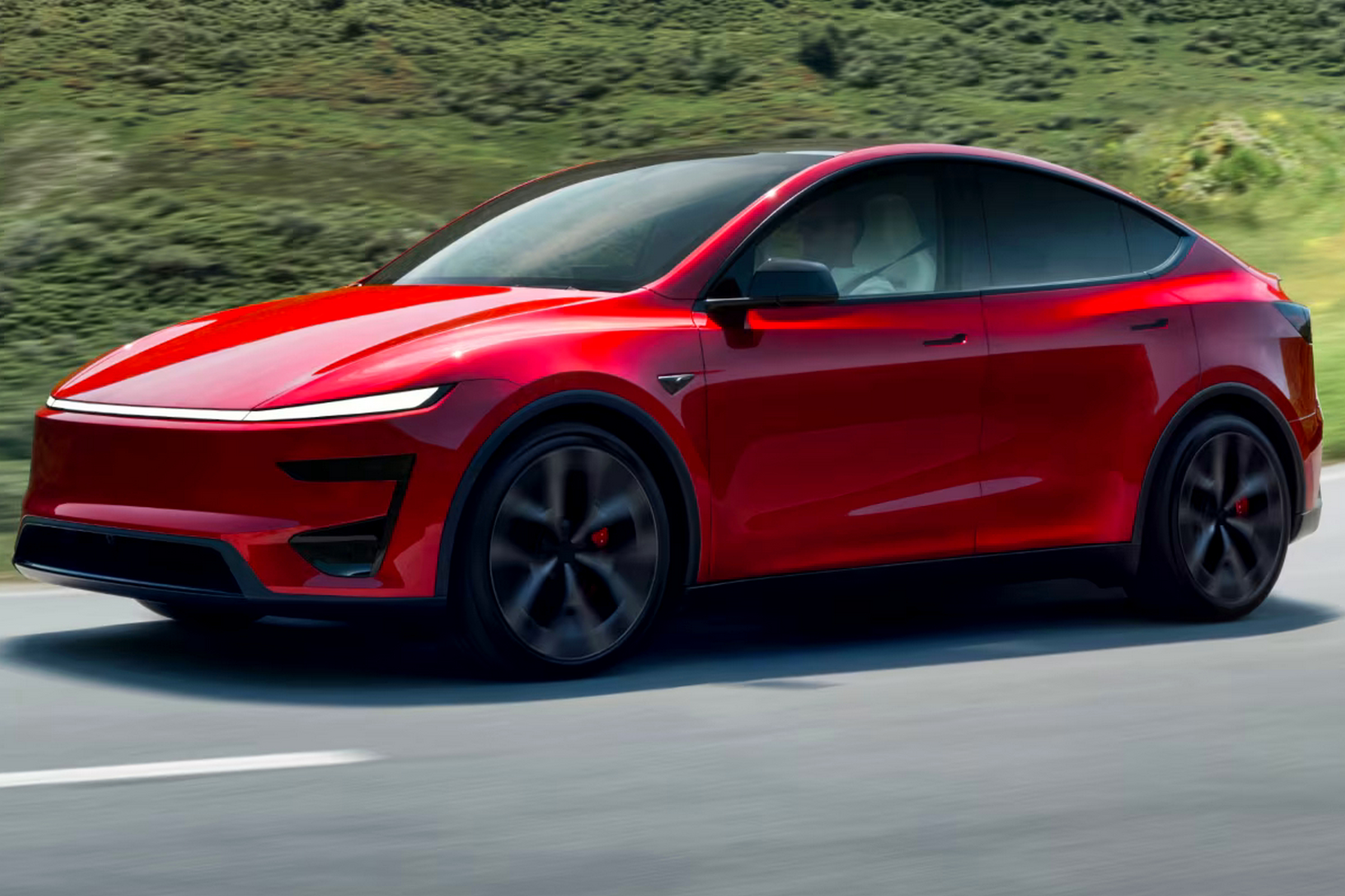
Tesla, meanwhile, fell from fifth to seventh place in the sales rankings for the first ten months of the year. The company sold 389,905 new energy vehicles in China during the period, marking a 15.0% decline compared with the same period last year. The drop highlights the growing pressure Tesla faces from Chinese automakers, many of which are expanding quickly with more affordable and feature-rich models.
Xiaomi also made a notable return to the top 10, with 336,613 vehicle sales from January through October. The company’s rise reflects its growing presence in the EV sector and suggests that consumer interest in its vehicles remains strong. Xiaomi’s entry into the auto market has added another layer of competition, especially as tech-focused brands increasingly target buyers looking for smart driving features, connected services, and stylish design.
Tesla’s challenges are not limited to sales performance. In October, it also slipped out of the top 10 in an electric vehicle innovation ranking, falling from sixth to 11th in the long-term standings. This adds to signs that the company is facing tougher competition not only in volume but also in technology perception, where Chinese brands are rapidly advancing.
The broader market picture remains mixed. China’s overall passenger car market saw a sharp year-over-year decline in October, falling 27.1% to 1,643,000 sales. New energy vehicle sales also dropped, declining 13.7% to 1,109,000 units.
Even with lower sales volumes, NEVs reached a major milestone. Electric vehicles and plug-in hybrids accounted for a record 67.5% of passenger car retail sales in China in October. That means more than two out of every three passenger cars sold were new energy vehicles, showing how deeply electrification has reshaped the Chinese auto market.
The figures underline a major shift in the global EV landscape. China is no longer just the largest electric vehicle market; it is also one of the most competitive. Domestic automakers are moving quickly, offering a wide range of EVs and hybrids that appeal to both budget-conscious buyers and premium customers.
For Tesla, the latest results point to the need for stronger momentum in China, where brand strength alone may no longer be enough to maintain a top position. For BYD, the numbers confirm its continued dominance. For Xiaomi, the return to the top 10 signals that its automotive ambitions are becoming increasingly serious.
As new energy vehicles continue to claim a larger share of China’s passenger car market, the race among automakers is likely to become even more aggressive. Price cuts, new model launches, battery technology, smart driving systems, and brand loyalty will all play a key role in deciding which companies stay ahead in the months to come.