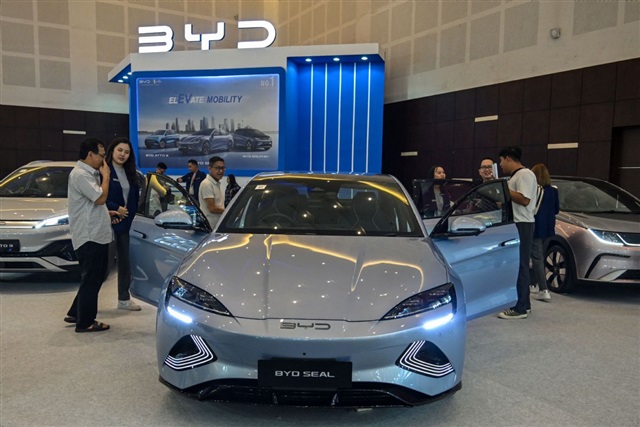
As the automotive industry accelerates its shift towards autonomous driving, BYD, one of the forerunners in AI-assisted vehicle development, is striving to stay ahead in the competitive market. These vehicles, which are equipped with advanced driver-assistance systems (ADAS), are increasingly becoming a choice for consumers who seek comfort, safety, and a futuristic driving experience. Despite BYD’s significant progress in integrating artificial intelligence with automotive technologies, the company is facing challenges due to intense market price competition.
The increased focus on AI-assisted vehicles is due to the numerous benefits they offer. By reducing human error, they promise to lower the number of accidents on roads, thus improving overall traffic safety. Moreover, these vehicles, through their advanced sensor systems and algorithms, are designed to optimize driving for better fuel efficiency and reduced emissions – crucial factors in today’s environmentally-conscious society.
BYD’s efforts in the realm of AI-assisted vehicles involve implementing features such as lane-keeping assistance, adaptive cruise control, and collision avoidance systems. They utilize cutting-edge technologies, including LiDAR, radar, cameras, and sophisticated software that enable vehicles to understand and react to the driving environment. This integration not only elevates the driving experience but also resonates with the growing consumer demand for smart and connected cars.
However, the appeal of BYD’s advanced vehicles is somewhat overshadowed by the intense price competition in the market. With numerous automakers also delving into AI technology, the market sees a plethora of options, which can lead to competitive pricing strategies. Consumers have a wide array of choices, and as the technology becomes more commonplace, price points often become a decisive factor in vehicle purchases. To maintain their market position, BYD and other manufacturers may need to consider how they can differentiate themselves beyond price, focusing on unique selling features, customizability, and customer service excellence.
AI-assisted vehicles are not just a trend but are touted as the future of driving. For those interested in these innovative automobiles, it’s important to consider the balance between features and cost. When shopping for an AI-assisted vehicle, potential buyers should thoroughly research what different brands offer, compare ADAS features, evaluate the car’s reliability, and read up on user experiences to make an informed decision. Equally important is understanding the after-sales support for software updates and maintenance, which can be critical to the long-term performance and safety of AI-driven cars.
The advancements in AI technology continue to transform the automotive industry; thus, it’s essential for companies like BYD to stay vigilant in their innovation while also considering pricing strategies to stand out in the crowded market. As the technology advances and becomes more accessible, we may witness even greater shifts in the industry dynamics.
For the consumers, keeping abreast of the latest developments in AI vehicle technology, understanding the potential return on investment, and the environmental impact of their choices will play crucial roles in decision-making. While BYD positions its AI-assisted vehicles in the market, consumers and industry watchers alike will be eagerly observing how the price competition unfolds and what new innovations will steer the future of driving.


