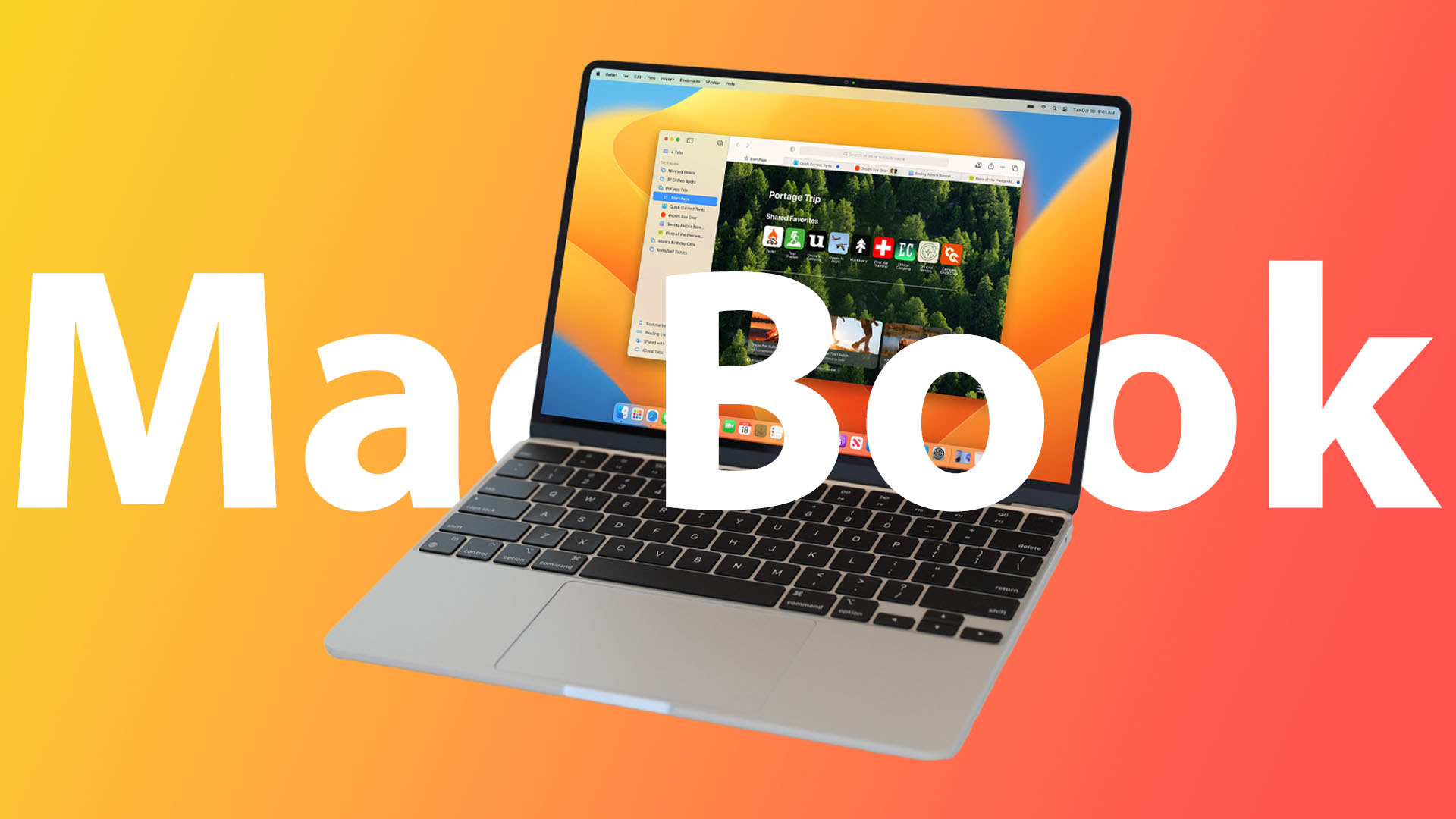
M-series MacBooks have earned a reputation for superb build quality, bright and color-accurate displays, and marathon battery life. The one sticking point has been price. Even with periodic discounts on the MacBook Air, there’s still a sizable gap between what many shoppers want to pay and what they’re asked to spend. That’s why whispers of a truly low-cost MacBook are turning heads. Here’s a clear, engaging look at what to expect if Apple moves forward with a budget-friendly Mac that still feels like a Mac.
Key takeaways at a glance
– Likely to mirror the 13.6-inch MacBook Air’s footprint, without ProMotion
– Expected to use an A18 Pro chip instead of an M-series processor
– USB-C with up to 10Gb/s data, but no Thunderbolt
– Base model could start with 8GB unified memory and 256GB storage
– A compelling price target would be $599 to $699
– Launch window rumored for late 2025 to early 2026
Display and design
A smaller display can boost portability, but going too small would complicate production and fragment the lineup. While some reports point to a 12.9-inch panel, Apple currently sources 13.6-inch displays for the MacBook Air at scale. Reusing that supply chain makes more sense for a value-first product. Expect a 13.6-inch IPS display with True Tone and wide color, but no ProMotion. To keep costs down, Apple could also recycle the Air’s chassis and rearrange internal components as needed.
Chip choice: why A18 Pro makes sense
A lower-cost MacBook is rumored to ditch M-series silicon for the A18 Pro—the same architecture powering the latest Pro iPhones. On paper, that brings a 6‑core CPU, 6‑core GPU, and a 16‑core Neural Engine built on TSMC’s second‑gen 3nm process for strong performance and excellent efficiency. Hardware-accelerated ray tracing and improved graphics could make light gaming and creative tasks feel snappy, with the caveat that macOS apps and games still need to target this hardware. For everyday work—web, office, video calls, photo tweaks, streaming—expect effortless performance and outstanding battery life.
Connectivity and external displays
One important trade-off: A-series chips don’t include Thunderbolt. Instead, anticipate USB 3.2 Gen 2 speeds up to 10Gb/s over USB‑C. That’s fine for most peripherals and fast enough for many external SSDs, but not on par with Thunderbolt docks or ultra-fast NVMe enclosures. External monitor support will also be more limited than on M‑series Macs. In practical terms, plan on driving at least one external display, likely at a lower maximum resolution and refresh rate than an M3 MacBook Air.
Memory and storage expectations
Apple recently raised the floor to 16GB memory on many Macs, but a budget model may start at 8GB to hit an aggressive price. Storage could begin at 256GB, with paid options for 512GB or more. For students and casual users, 8GB/256GB will cover the basics. Power users should plan upgrades at checkout, as unified memory and storage aren’t user-replaceable.
Price: where the value clicks
To truly shake up the market, the base configuration should land at $599 or $699. Anything higher bumps into frequent discounts on the MacBook Air, undercutting the case for a cheaper model. Hit that sweet spot and students, first-time Mac buyers, and anyone refreshing an aging machine will take notice—especially with Apple’s long software support and strong resale value.
Why timing matters
Windows 10 support ends in October 2025. That shift won’t instantly break PCs, but it will nudge many toward more secure, longer-supported platforms. If Apple offers a well-built Mac at an approachable price in that window, it becomes an easy recommendation for families and schools looking for a smooth, long-term solution.
When could it launch?
Supply chain chatter points to component ramp-up in the third quarter of 2025, broader manufacturing by the fourth quarter, and a possible unveiling between late 2025 and early 2026. Some watchers still think an October window is possible. As with any unannounced product, timelines can slip, but the momentum behind a budget MacBook feels real.
Bottom line
A low-cost MacBook built around A18 Pro silicon could be the crowd-pleaser many have been waiting for: slim, light, durable, fast enough for everyday work, and priced to compete. Keep your expectations in check on Thunderbolt, external displays, and base memory, but if Apple nails the $599–$699 target, the value proposition will be hard to ignore.
Would you make the jump to a budget MacBook if it delivers strong battery life, smooth performance, and a great display at the right price?