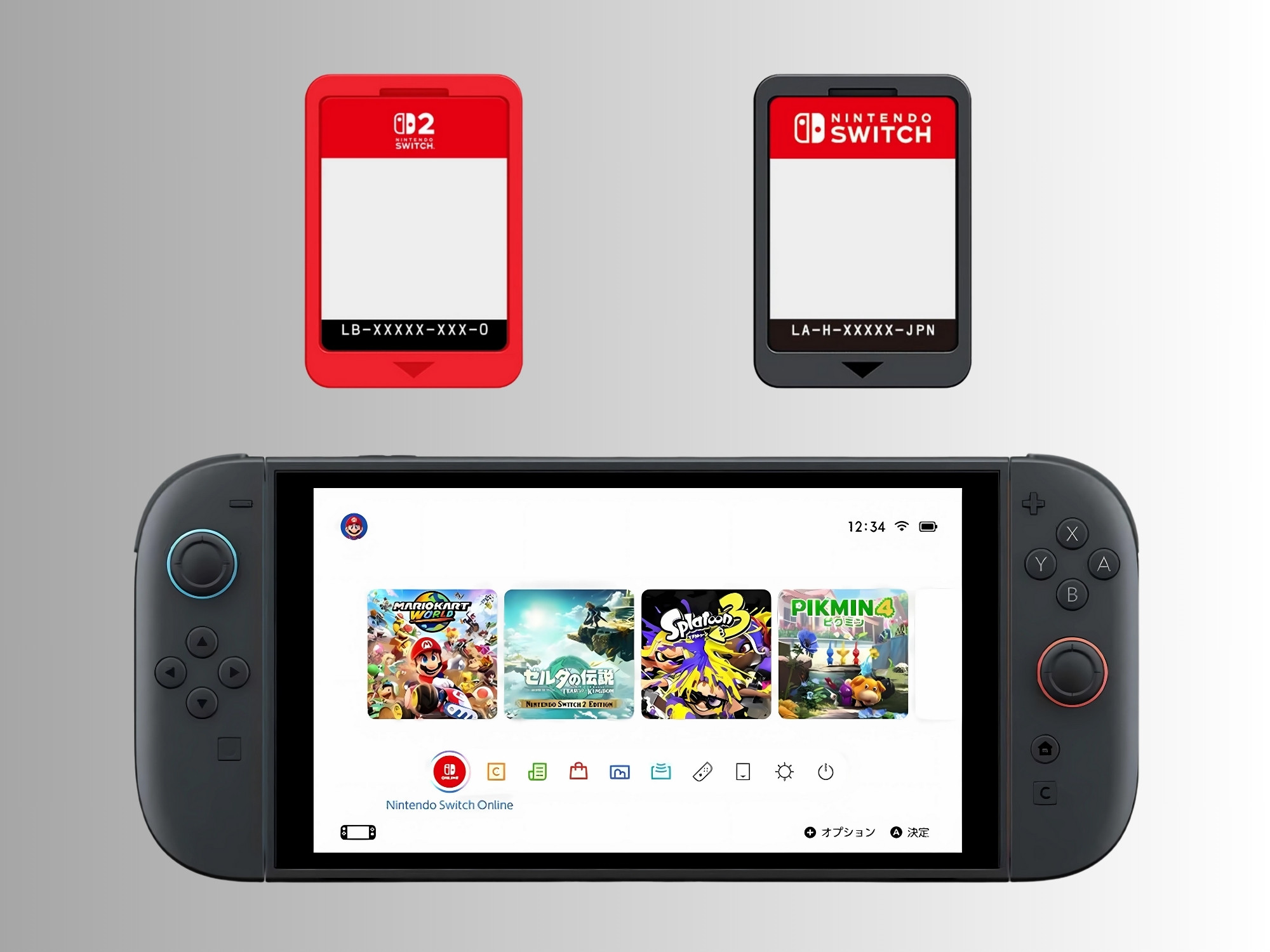
A new wave of hope may soon arrive for those who dislike the Switch 2 Game-Key Cards. The company responsible for producing Nintendo’s cartridges is exploring a different type of flash memory, which could offer publishers a budget-friendly alternative to the current 64 GB models.
Many gamers find Game-Key Cards frustrating due to their need for additional downloads before a game is playable. These players prefer the traditional Game Cards, which contain all the necessary game data. One Taiwanese manufacturer might have the answer to this problem, especially for publishers hesitant about the high costs of cartridges.
SuperMetalDave64, a social media user, uncovered that Macronix plans to explore cheaper, lower-capacity flash memory solutions. While current Switch 2 titles are restricted to a single Game Card size—64 GB—some expansive games, like Donkey Kong Bananza, require less than 10 GB. This makes the large, expensive Game Cards less appealing for smaller developers with AA titles, leading them to favor Game-Key Cards or digital-only releases.
Macronix, a partner with Nintendo for console media production, is reportedly considering a shift to “in-house MLC NAND and outsourced 3D NAND to meet varying capacity requirements.” Although there is no specific mention of the Switch 2, the company’s focus on consumer demand in gaming hints at future developments.
The buzz is that Macronix might transition from the traditional 2-bit per cell MLC to the more common 3-bit per cell TLC flash memory. This could result in a wider range of cartridge sizes, offering more economical and lower-capacity options. However, this shift might also mean slower speeds and shorter lifespans for Game Cards.
The company could be prioritizing the creation of Switch 2 cartridges with capacities exceeding 64 GB. Still, it’s uncertain if these alternatives will convince publishers to move away from Game-Key Cards. If the costs don’t decrease significantly, some publishers might be reluctant to risk losing money on each sale.