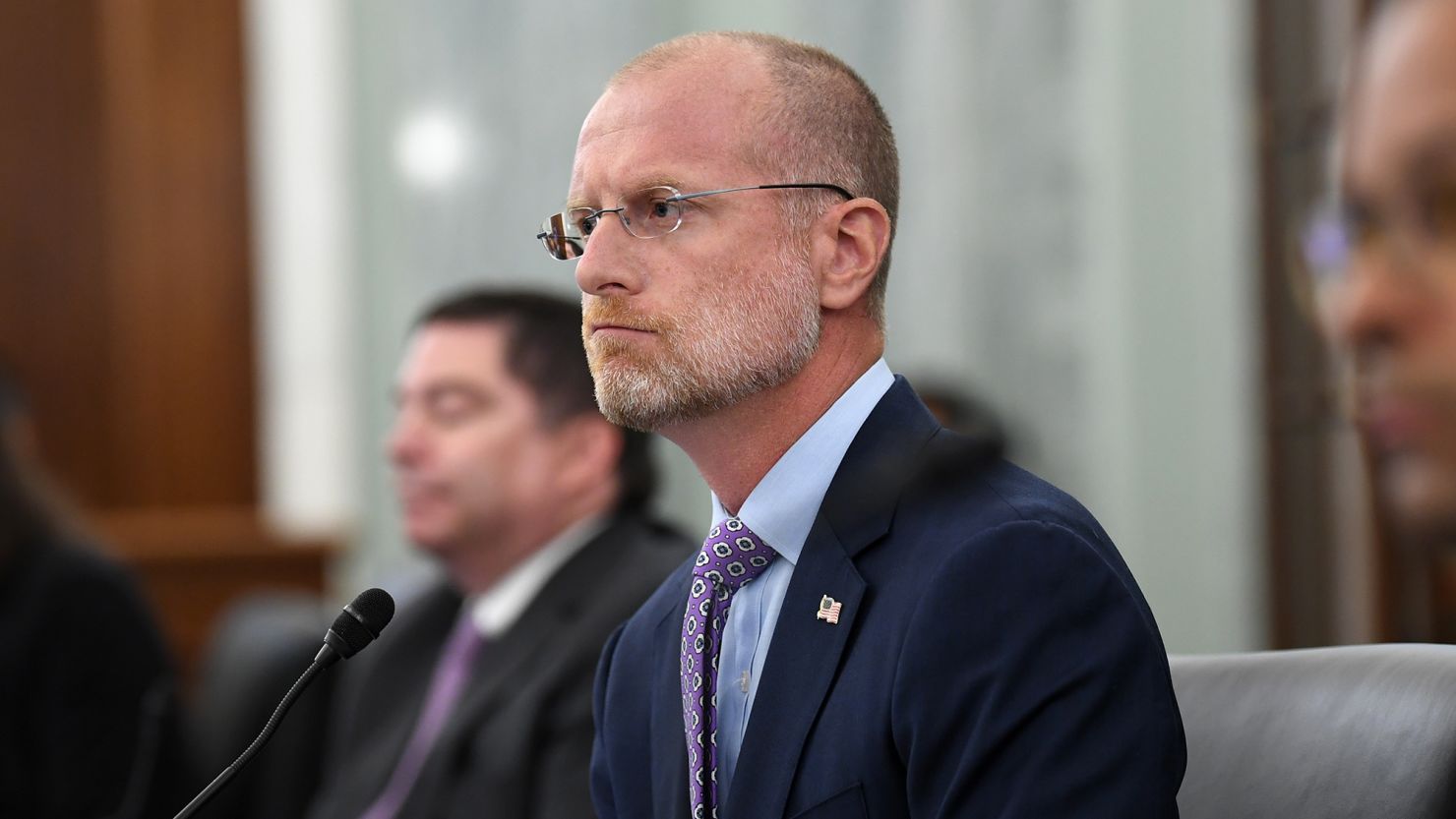
The recently appointed FCC chairman, Brendan Carr, by President-Elect Donald Trump, has stirred significant debate with his outspoken views on the role of the FCC in the forthcoming administration. Carr has notably criticized major technology companies, accusing them of forming what he describes as a “censorship cartel.”
In a detailed letter directed at the CEOs of tech giants such as Google, Facebook, Microsoft, and Apple, Carr alleged that these companies are part of the problem through their efforts in fact-checking and the labeling of disinformation, particularly when utilizing services like NewsGuard. Carr’s criticism revolves around the perceived bias and control these companies exert over public discourse, suggesting this collective has enforced one-sided narratives.
NewsGuard was established to enhance transparency and guide users in identifying reliable information online. However, Carr argues that this service carries a partisan bias, pointing to instances where it has reportedly rated propaganda outlets from certain foreign governments as trustworthy.
A central aspect of Carr’s agenda involves reassessing the protections offered by Section 230 of the Communications Act. Section 230 is pivotal for social media platforms as it shields them from liability for user-generated content. The clause essentially ensures that platforms are not treated as the publisher of content posted by users, thus allowing them to host a wide range of discussions and user interactions without being held legally responsible for content they did not create.
Carr, however, suggests that these protections should not extend to platforms that moderate political speech he deems legitimate. The argument he posits questions whether platforms acting in “good faith” when moderating such content should continue to enjoy immunity under Section 230.
Brendan Carr is recognized for his substantial contributions to Project 2025, particularly focusing on FCC-related issues. His views and proposed changes could significantly impact how digital platforms operate and manage content, sparking ongoing discussions about the balance between regulation and free speech in the digital age.