Boox Picco: A Tiny Linux E-Reader Could Be the Pocket Reading Gadget to Watch in 2026
Boox is preparing to launch a new ultra-compact e-reader called the Boox Picco, a pocket-sized device built around a 3.97-inch e-paper touchscreen. Expected to arrive worldwide in November 2026, the Picco is designed for readers who want something much smaller than a typical Kindle-style device, while still keeping the core comforts of an e-ink reading experience.
The biggest appeal of the Boox Picco is its size. With a display under 4 inches, it is small enough to slip into a pocket, bag, or even carry alongside a smartphone. For commuters, travelers, students, or anyone who likes to read in short bursts throughout the day, this could make the Picco a practical alternative to larger e-readers.
Unlike many Boox devices, the Picco does not run Android. Instead, it uses a simplified Linux-based operating system focused mainly on reading. That choice could help keep the device lightweight, affordable, and easier to use, but it also means users should not expect the same app flexibility found on larger Boox tablets. Installing third-party reading apps or browsing through an app store will likely not be part of the experience.
Boox appears to be aiming for simplicity. Books are stored on a microSD card, and files can be transferred through USB-C, which also serves as the charging port. A companion Wi-Fi app is also expected to support book transfers, giving users another way to load reading material without relying only on cables.
The Picco also includes physical page-turn buttons, a feature many dedicated readers still prefer over tapping or swiping on a screen. These buttons are reportedly customizable, allowing users to assign different actions depending on how they like to read. For such a small device, that added control could make a big difference in everyday comfort.
Reading in different environments should also be easier thanks to the built-in front light. Users can adjust both brightness and warmth, making the screen more comfortable for daytime reading, nighttime reading, or long sessions in dim lighting. The software also offers detailed reading controls, including font adjustments, spacing options, and alignment settings.
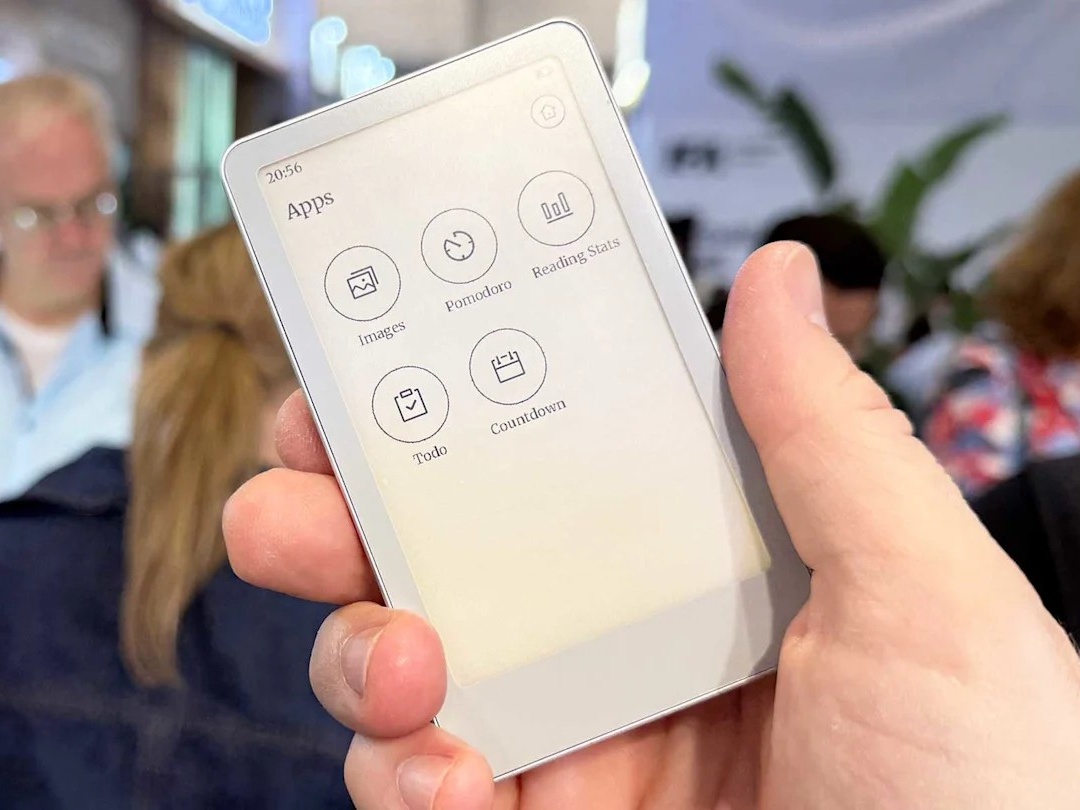
Early hands-on impressions suggest the Boox Picco feels polished and well-built for its size. Testers have praised how comfortable it is to hold, which is especially important for a device meant to be used one-handed. However, navigation has reportedly felt a little slow, so performance may be one area to watch before launch.
Boox is also adding a few extra tools beyond basic reading. The Picco is expected to include a reading-stats tracker, a to-do list, Pomodoro timer, and countdown timer. These features may appeal to users who want a small productivity companion as well as a dedicated e-reader.
One design detail worth noting is that the Picco reportedly does not include magnets. That helps keep the device lighter, but it may disappoint users who like attaching small e-readers to the back of a phone or magnetic case.
The Boox Picco is expected to launch in November 2026 with a target price of around $100. If that pricing holds, it could become an attractive option in the growing pocket e-reader category, competing with other compact e-ink devices aimed at mobile readers.
Still, several key questions remain unanswered. Boox has not yet clarified expected battery life, Bluetooth support, or whether the Picco will handle audiobooks. These details could determine whether it becomes a must-have pocket e-reader or simply a charming niche device for text-focused reading.
For now, the Boox Picco looks like one of the more interesting compact e-readers on the horizon. Its tiny 3.97-inch e-paper display, Linux-based software, physical buttons, adjustable front light, microSD storage, and expected $100 price point make it a device worth watching as its 2026 launch approaches.